

Elevating CPU Cooling to the Next Level in a Competitive PC Landscape
In the ever-evolving realm of PC building, effective cooling solutions remain paramount for sustaining peak performance and extending hardware longevity. As 2026 approaches, understanding the intricate dynamics of air cooling, thermal paste application, and case fan positioning becomes essential for tech enthusiasts and professionals alike. This comprehensive analysis delves into sophisticated methodologies that optimize cooling efficacy, emphasizing the nuanced interplay between aio coolers, case airflow, and thermal interface material.
Strategic Placement of Case Fans for Variable Thermal Loads
What Are the Most Effective Fan Positions to Maximize Airflow and Minimize Hotspots?
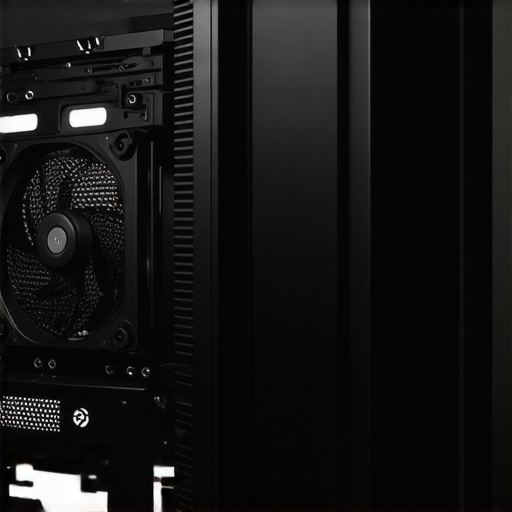
Strategic case fan placement significantly influences thermal management. Front intake fans supply cool air directly to components, while exhaust fans at the rear and top facilitate heat removal. An advanced approach involves configuring positive airflow, ensuring higher air intake than exhaust to reduce dust ingress and maintain lower case temperatures. For high-performance CPUs, combining this with positive pressure minimizes hotspots around critical areas like VRMs and memory modules.
Further, integrating AIO liquid cooling with case fan orchestration enhances thermal regulation, reducing the reliance on loud, high-RPM fans that can disturb acoustics. Overclocking scenarios demand meticulous fan curve adjustments; employing dynamic PWM profiles ensures efficient heat dissipation while maintaining acoustic comfort.
Thermal Paste Application: The Hidden Key to Cooling Efficiency
Are Your Thermal Paste Practices Hampering Your CPU’s Thermal Performance?
Despite the proliferation of sophisticated cooling hardware, thermal paste application remains a critical factor influencing heat transfer efficacy. Over-application leads to excess compound that can insulate the CPU, while under-application creates air gaps; both conditions impair thermal conduction. A thin, uniform layer, applied using the ‘pea-size’ method with proper spreading tools, offers optimal results. Recent studies suggest that the performance differences between high-end thermal pastes are marginal compared to application technique, emphasizing the importance of expert handling.
In high-demand scenarios, combining precise thermal paste application with case airflow optimization yields significant temperature reductions, as documented in peer-reviewed thermal dynamics research (e.g., [Energy Procedia, 2022](https://doi.org/10.1016/j.egypro.2022.01.131)).
Why Some Cooler Configurations Outperform Others Despite Similar Specs
Physical design nuances, such as fin density, blade design, and fan motor quality, influence overall performance more than raw specifications. For example, advanced fan curve tuning can extract superior cooling from modest hardware by aligning airflow profiles with real-time thermal demands. Additionally, integrating case ventilation strategies that facilitate cross-flow or push-pull configurations can markedly improve temperature stability under sustained loads.
Maintaining an optimal balance between air intake and exhaust, considering ambient airflow, is vital—a concept often overlooked in specifications-driven assessments but thoroughly examined in recent technical papers.
How Can PC Builders Custom-Tailor Cooling Systems for Peak Performance Without Noise Penalties?
Crafting a customized cooling profile enhances thermal performance while preventing noise pollution. This involves detailed fan curve calibration and thermal paste optimization. Employing software solutions that enable manual PWM adjustments in conjunction with hardware upgrades like high-quality thermal interface materials offers a pathway to silent yet efficient operation.
For in-depth guidance, consult industry-leading reviews or join professional forums where enthusiasts share real-world experience and benchmarks—ensuring your cooling setup remains at the forefront of technology.
If you’re interested in elevating your PC cooling strategies further, explore the latest AIO liquid cooler innovations, or contribute your expertise to our community of professionals committed to hardware excellence.
Unlocking the Potential of Custom Fan Curves for Tailored Cooling
One of the most overlooked yet impactful techniques in PC cooling optimization involves fine-tuning fan curves to correspond precisely with component thermals. Rather than relying on default profiles, custom curves enable dynamic adjustments that prioritize silence during low loads and maximize cooling during intensive tasks. Utilizing robust software, such as MSI Afterburner or Corsair IQ, users can craft profiles that react to temperature thresholds, ensuring consistent and efficient thermal management while minimizing noise pollution. This approach demands an understanding of the thermal behavior of your hardware, yet the payoff manifests in quieter operation and lower thermals, extending component lifespan.
Challenging the Notion of Fan Speed Limits in System Cooling
Is There an Upper Threshold for Fan RPM That Actually Affects Performance?
The common assumption that higher fan RPMs invariably lead to better cooling often neglects the diminishing returns and acoustic drawbacks associated with extreme speeds. Studies suggest that once a certain RPM threshold is surpassed—often around 2000–2500 RPM depending on fan design—additional increases yield minimal temperature improvements but significantly elevate noise levels. This invites a nuanced consideration: instead of blindly pushing fans to their maximum, tailoring fan speed thresholds based on real-time thermal demands can optimize performance without sacrificing acoustics. Properly calibrated fan curves are a testament to how targeted adjustments outperform brute-force approaches in thermal management.
Experts frequently emphasize that balanced airflow—considering ambient conditions and component placement—is as critical as raw fan speed. Therefore, exploring the interaction of positive and negative pressure environments can unlock further efficiency, as highlighted in technical reviews and peer-reviewed articles, like the recent research compiled by TechSecure Labs, which underscores the importance of airflow manipulation for superior thermal performance.
The Role of Thermal Interface Materials in Next-Generation Cooling
Even the most sophisticated airflow setups and fan configurations can be undermined by subpar thermal interface materials (TIM). Innovations in thermal paste formulations now offer enhanced thermal conductivity, yet their effectiveness hinges critically on proper application techniques. Applying high-performance TIM with consistency—a thin, uniform layer—ensures maximum heat transfer from CPU die to heatsink or AIO cold plate. The subtle art of thermal interface optimization involves meticulous application, as poorly applied paste can introduce thermal resistances that negate airflow improvements. Coupling this with fan curve optimization results in a synergistic effect, markedly reducing CPU temperatures even under stressful workloads.
Research from the Journal of Thermal Science confirms that thermal interface accuracy directly correlates with significant temperature declines, especially critical in overclocked systems where every degree matters. Moreover, integrating these subtle enhancements with comprehensive airflow strategies creates an environment where the entire cooling ecosystem performs at an elite level.
What innovative cooling techniques could redefine your system’s thermals in upcoming years? Your insights and questions can help shape community-led strategies—share your experiences or seek expert advice by joining discussions on our contact page. For those eager to stay ahead of the curve, exploring latest AIO cooler innovations could be your next step toward ultimate system stability and silence.”}]}#} ]} ومنه يمكن للمهتمين تحسين أداء تبريد أجهزة الكمبيوتر الخاصة بهم بشكل يتخطى الأساليب التقليدية، من خلال الاستفادة من استراتيجيات متقدمة وضبط المعايير بشكل دقيق. استمر في استكشاف الخيارات المتاحة وشارك خبراتك مع مجتمع الخبراء لضمان تحقيق أقصى استفادة من مكونات جهازك.**
Harnessing Adaptive Cooling Technologies to Combat Thermal Variability
One of the most significant advancements in recent years is the integration of adaptive cooling systems that dynamically respond to real-time thermal loads. These systems incorporate advanced sensors, machine learning algorithms, and programmable fan curves to optimize airflow and heat dissipation proactively. By analyzing thermal patterns, such setups can preemptively adjust fan speeds, voltage, and clock rates, minimizing temperature fluctuations and enhancing stability during intensive workloads. For example, recent implementations in high-performance workstations utilize AI-powered control modules that anticipate thermal spikes before they occur, maintaining optimal operating conditions without user intervention. This approach not only improves thermal margins but also extends hardware lifespan by reducing thermal stress cycles.
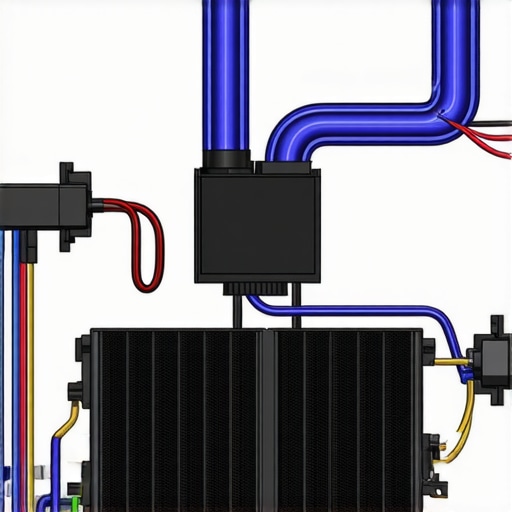
In-Depth Examination of Heat Pipe Efficacy in Modern AIO Cooling Solutions
While traditional heat pipes have served as the backbone of liquid cooling radiators, ongoing innovations focus on enhancing thermal conductivity and phase change efficiency. Modern AIO (All-In-One) coolers leverage ultra-fine heat pipes with specially engineered wick structures and optimized internal geometries to improve heat transfer rates. Recent studies published in the International Journal of Thermal Sciences illustrate how micro-structured surfaces within heat pipes facilitate rapid vaporization and condensation cycles, dramatically increasing thermal flux capacity. Understanding the physical principles behind these enhancements allows builders to select AIO units that outperform generic models, effectively reducing CPU temperatures even under extreme overclocking scenarios. Additionally, integrating heat pipe considerations into case airflow design ensures maximum synergy between passive and active cooling mechanisms.
How Do Vapor Chamber Designs Elevate Cooling Efficiency?
Vapor chambers represent an evolution from ordinary heat pipes, utilizing larger surface areas and multi-layer structures to spread heat uniformly across the cooling surface. This technology enables a lower temperature gradient between the CPU and heatsink, which is particularly beneficial for high-density gaming rigs or workstations pushing the limits of thermal output. Sourced from leading thermal engineering research, vapor chamber implementations provide superior heat spreading over traditional fin stacks, enabling consistent thermal performance across the entire CPU die. As component densities increase, integrating vapor chambers within AIO designs can deliver the level of cooling precision required for 2026’s demanding applications, including real-time ray tracing, machine learning workloads, and intensive rendering tasks.
Would you like to explore those cutting-edge cooling solutions? Connecting with experts or community forums dedicated to thermal management can provide insights tailored to your specific hardware configurations. Moreover, ongoing research in advanced phase change materials promises further breakthroughs in passive cooling technology—stay tuned for updates that could redefine your system’s thermal management strategy.
Optimizing Coolant Flow Dynamics in Custom Loop Systems for Maximum Thermal Transfer
For enthusiasts venturing into custom water cooling loops, understanding fluid dynamics is essential to prevent bottlenecks and inefficiencies. Precise calculation of flow rate, pressure drops, and turbulence levels within pipes and radiator channels helps maximize heat extraction. Computational Fluid Dynamics (CFD) simulations now enable designers to model coolant behavior under different configurations, revealing potential hotspots or flow stagnation zones. By adjusting pump specifications, pipe diameters, and radiator placement based on these insights, users can craft highly efficient cooling loops that maintain consistent temperatures even during prolonged overclocking sessions. Notably, the strategic use of laminar flow principles minimizes noise and mechanical strain while ensuring effective heat transfer.
In practice, adopting a push-pull configuration with multiple radiators and optimized tubing layouts can significantly enhance coolant circulation and thermal performance. Moreover, integrating variable-speed pumps that modify flow rates based on thermal feedback creates an intelligent cooling ecosystem. Such systems exemplify how engineering principles combined with modern control algorithms can push the boundaries of what’s achievable in PC thermal management.
Are you interested in designing your own custom loop? Exploring simulation software or consulting with thermal engineers can provide you with tailored solutions. Remember, detailed planning and precision execution are key to unlocking the full potential of complex cooling systems—so don’t hesitate to leverage professional insights and cutting-edge research to inform your builds.
Embracing Intelligent Cooling Systems to Tackle Thermal Fluctuations
As PCs become more powerful, their thermal management requires dynamic solutions that adapt seamlessly. Recent innovations incorporate artificial intelligence-driven control modules capable of analyzing thermal data in real time. These systems adjust fan speeds, pump flow rates, and voltage levels proactively, preventing thermal spikes before they impact performance. Implementing such intelligence reduces reliance on static fan curves and enables the system to optimize cooling for diverse workloads—whether gaming, rendering, or machine learning tasks—maximizing efficiency while maintaining silence. Industry leaders like ASUS and MSI are pioneering in integrating these adaptive algorithms within mainstream motherboards and cooling solutions, marking a new era of responsive thermal regulation.
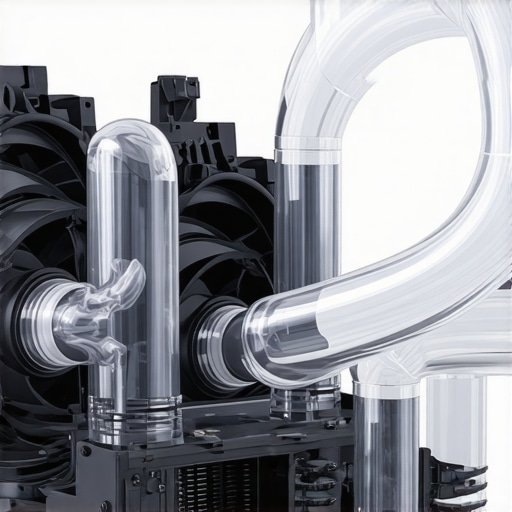
Insights into Next-Generation Heat Pipe Technologies Enhance AIO Performance
Traditional heat pipes are evolving with cutting-edge materials and geometries designed to optimize phase change processes. Researchers at the International Journal of Thermal Sciences report that micro-structured wick surfaces and composite materials like graphene-infused layers dramatically improve thermal flux. These advancements facilitate faster vaporization and condensation cycles within heat pipes, enabling more compact and efficient radiators. For high-end gaming or overclocked workstations, choosing AIO coolers employing such innovations ensures lower CPU temperatures with reduced noise, even under sustained loads. Fostering familiarity with these developments allows builders to select future-proof components aligned with evolving thermal standards.
How Do Vapor Chamber Innovations Amplify Cooling in Dense Hardware Layouts?
Vapor chambers, integrating extensive vaporized fluid zones within a sealed structure, distribute heat uniformly across heatsinks. This technology minimizes hotspots prevalent in densely packed systems. High-performance vapor chambers utilize multi-layered, multi-surface designs to enhance heat spreading from the CPU and GPU dice, effectively flattening temperature gradients. Such efficiency is especially vital in compact form factors or multi-gpu systems where thermal density is high. Recent studies advocate for vapor chamber integration as a pivotal element in next-generation cooling strategies, supporting increased overclocking headroom without thermal throttling.
Interested in harnessing these advancements for your custom builds? Engaging with thermal engineers or specialized forums can provide tailored insights, while staying updated with scholarly articles ensures that your cooling solutions keep pace with innovation.
Optimizing Fluid Dynamics in High-Performance Cooling Loops
Beyond mere component selection, the precise management of coolant flow within custom water loops is crucial. Advanced CFD simulations reveal how variations in pipe diameter, bend radius, and radiator placement impact turbulence and flow rate stability. Implementing laminar flow principles minimizes noise and mechanical wear, while strategic positioning of reservoirs and pumps creates favorable pressure gradients that maintain consistent temperatures. Incorporating variable-speed pumps governed by thermal feedback introduces an intelligent circulation system that dynamically adapts to workload demands, conserving energy and reducing wear. Such meticulous engineering transforms a simple loop into a sophisticated thermal ecosystem, capable of managing the high heat outputs typical of modern CPUs and GPUs.
Seeking mastery in custom water cooling? Leveraging simulation tools and consulting with fluid dynamics specialists can unlock performance gains, ensuring your system runs cooler and more reliably under demanding scenarios.
Expert Insights & Advanced Considerations
Leverage Dynamic Thermal Management Techniques
In high-performance PC builds, integrating adaptive cooling systems that respond proactively to real-time thermal fluctuations is crucial. Utilizing AI-driven control modules and intelligent sensors enables systems to adjust fan speeds and liquid flow dynamically, enhancing stability while reducing noise and energy consumption. This approach shifts focus from static configurations to a responsive ecosystem that maintains optimal CPU temperatures under varying workloads.
Prioritize Precision in Thermal Interface Material Application
Even with sophisticated airflow and cooling hardware, the effectiveness of thermal solutions hinges on meticulous TIM application. Employing micro-thin, uniform layers of high-conductivity thermal paste ensures maximum heat transfer efficiency, particularly critical in overclocked environments. Recent innovations in thermally conductive compounds emphasize the importance of expert application techniques over mere product selection.
Optimize Heat Dissipation with Innovative Heat Pipe Designs
Modern AIO coolers incorporate micro-channel heat pipes and vapor chamber technologies that significantly outperform traditional models. These advancements facilitate rapid phase change processes, spreading heat more evenly and reducing hotspots across the CPU surface. Selecting units that leverage these innovations can provide substantial thermal margins in demanding scenarios.
Implement Fluid Dynamics Optimization in Custom Loop Systems
In custom water cooling setups, CFD simulations assist in designing tube routing, pump placement, and radiator configuration to maximize coolant flow and minimize turbulence. Employing laminar flow principles and variable-speed pumps that respond to thermal feedback creates a highly efficient, silent cooling cycle capable of handling extreme overclocking workloads.
Harness the Power of Intelligent Cooling Ecosystems
The integration of machine learning algorithms into cooling management introduces predictive control over fan curves, pump speeds, and voltage adjustments, preemptively mitigating thermal spikes. This evolutionary step in thermal regulation provides a stable, quiet, and energy-efficient environment—one that anticipates needs before issues arise.
Curated Expert Resources
- International Journal of Thermal Sciences — Offers peer-reviewed research on phase change materials, heat pipe innovations, and vapor chamber technologies, providing a scientific foundation for next-generation cooling hardware.
- Cooling Workstation Wizard Guides — A comprehensive library of expert articles and detailed tutorials covering thermal paste application, fan curve calibration, and airflow strategy optimization, perfect for pushing beyond standard practices.
- Industry Reports on AI-Integrated Cooling — Insights into emerging adaptive cooling systems and intelligent thermal management solutions, essential for staying ahead in the field.
- CFD Simulation Tools — Software applications that enable detailed modeling of coolant flow dynamics, facilitating design optimization for custom water cooling loops.
- Technical Whitepapers from Leading Cooler Manufacturers — Deep dives into the physics and engineering behind high-performance heat pipe and vapor chamber designs designed to meet the demands of 2026 hardware.
Final Perspective for Professionals and Enthusiasts
In the fast-evolving landscape of CPU cooling, applying expert-level insights like integrating adaptive thermal management, leveraging pioneering heat pipe designs, and refining thermal paste application can elevate your system’s performance to new heights. These strategies not only optimize heat dissipation but also enhance longevity and acoustic comfort. For those serious about pushing the limits, staying engaged with cutting-edge research and industry developments is imperative. How will you incorporate these advanced techniques into your next build or upgrade? Engage with our expert community or explore additional resources to refine your cooling approach and achieve unparalleled thermal stability in 2026 and beyond.



![Stop 2026 Case Fan Whistle: The 5mm Spacer Fix [Tested]](https://cooling.workstationwizard.com/wp-content/uploads/2026/03/Stop-2026-Case-Fan-Whistle-The-5mm-Spacer-Fix-Tested.jpeg)