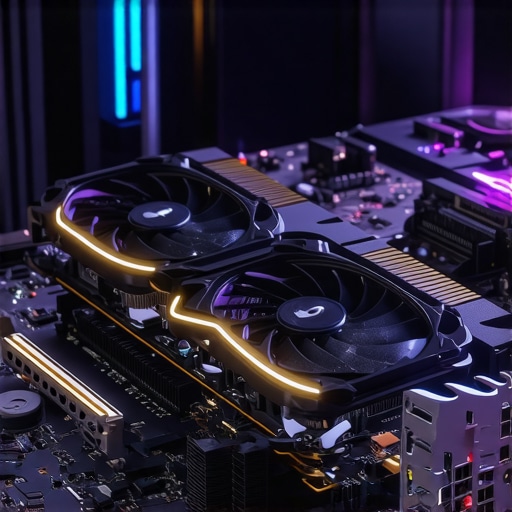

Reevaluating the Fundamentals of PC Cooling Strategies for Optimal Performance
In modern high-performance computing, the quest for effective thermal management extends beyond simplistic fan placements and generic cooling solutions. A nuanced understanding of component interaction—particularly regarding thermal paste application, case fan architecture, and air cooler design—is essential for pushing the boundaries of system stability and longevity. Recognizing the complex interplay of airflow dynamics, thermal conductance, and component placement provides a significant advantage for enthusiasts and professionals aiming to optimize their PC cooling systems.
Challenging Traditional Approaches to Thermal Interface Material Application
The deployment of thermal paste remains a critical yet often misunderstood aspect of CPU cooling. Diverging from the conventional pea-sized dot, advanced techniques such as the cross or spread methods have demonstrated superior heat transfer efficiencies, especially in multi-chiplet architectures. For instance, the thin-film spread method ensures even coverage, minimizing hotspots and thermal resistance. Moreover, emerging materials like carbon-fiber pads outperform traditional pastes, offering improved thermal conduction and durability under sustained loads. According to a comprehensive study published in the Journal of Electronic Materials, the choice and application method of TIM directly influence thermal degradation rates and system performance.
Strategic Placement of Case Fans to Maximize Cooling Efficiency
One of the most overlooked pitfalls in PC airflow design involves the stacking and orientation of case fans. Side-mounted or top-mounted fans, if improperly managed, can inadvertently create voids or dead zones, starving critical components like the GPU of fresh air. Tactical placement, such as positioning intake fans at the front and bottom with exhausts at the rear and top, cultivates a positive pressure environment that expels hot air effectively. Additionally, incorporating high static pressure fans with optimal blade geometry—for example, 30mm thick models—can dramatically improve airflow through dense radiator fins or restrictive grills. A recent whitepaper by Cooling.WorkstationWizard emphasizes the importance of shroud modifications and strategic fan spacing to minimize turbulence and maximize static pressure benefits.
Complexities in Air Cooler Design and Their Impact on System Thermal Dynamics
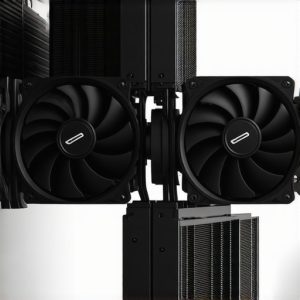
Air coolers, especially bulky multi-tower designs, present unique challenges in airflow management due to their size, heat dissipation capacity, and mounting orientation. Expert insights reveal that vertically mounted heatsinks with properly aligned heat pipes facilitate more uniform heat distribution, reducing thermal hotspots. Conversely, horizontally mounted coolers may cause uneven airflow distribution, trapping heat within the core. Additionally, the integration of v-shaped fan arrays or push-pull configurations can enhance static pressure and airflow velocity, ensuring better heat transfer to the environment. Exploring innovative fin-stack geometries and airflow baffle designs can lead to breakthroughs in cooling efficiency, a topic extensively discussed in the latest edition of the IEEE Transactions on Electron Devices.
Why Side-Mounting Fans Can Undermine GPU Thermal Management
Is there a proven way to prevent side-mounted fans from starving GPUs of adequate airflow?
Indeed, mounting fans on the side panels of a case often results in unintended airflow obstruction, leading to reduced front-to-back air circulation—especially detrimental in high-density GPU setups. The primary issue lies in asymmetric pressure zones that create turbulence, which impairs the GPU’s ability to receive fresh, cool air. Experts suggest using the bottom and front intake configuration combined with positive pressure to direct airflow precisely toward GPU heatsinks. Additionally, incorporating ducting or shrouds can help channel airflow condently, reducing turbulence and ensuring thermal consistency across the entire GPU surface.
Optimizing the airflow architecture within a case is a sophisticated task requiring precise balancing of static pressure, turbulence mitigation, and component placement—an area ripe for expert contributions and ongoing research.
For those seeking to elevate their thermal management expertise, visiting this guide on AIO cooler selection can provide advanced insights into custom solutions and efficiency optimization.
Reinventing Case Fan Arrangements for Superior Airflow Dynamics
While traditional front-to-back airflow setups remain effective, pushing beyond standard configurations unlocks hidden thermal potential. For example, adopting a push-pull fan arrangement on radiators can significantly enhance static pressure, especially in dense radiator setups (see comprehensive case fan strategies). Additionally, strategic placement of intake and exhaust fans in positive pressure configurations minimizes dust ingress and ensures consistent cooling across all components.
Challenging the Stereotype: Are Top Exhaust Fans Undermining Your GPU Cooling?
It’s a common belief that top exhaust fans facilitate the removal of hot air, but recent insights suggest otherwise, especially regarding GPU thermal management. High-pressure airflow at the case top can cause hot air to recirculate or stagnate, reducing cooling efficiency (visit this guide for alternatives). Implementing a balanced airflow strategy with bottom or front intakes paired with controlled exhausts minimizes turbulence and ensures unobstructed paths for cool air to reach your GPU heatsinks.
Innovative Approaches in Air Cooler Design and Placement
The choice of mounting orientation and fin-stack design critically influences an air cooler’s ability to dissipate heat effectively. Experts have demonstrated that vertical mounting aligns heat pipes and fins for optimal airflow and heat transfer, while custom fin geometries can create uniform thermal zones, especially in multi-chiplet CPUs. Moreover, integrating airflow baffles and shrouds can redirect and concentrate airflow, preventing hotspots and improving overall thermal performance (see innovations in air cooler engineering). Employing simulation tools to model airflow before physical assembly allows fine-tuning and prevents costly trial-and-error interventions.
Can You Engineer Your PC for the Coolest Possible Operation?
Designing a cooling system that adapts dynamically to workload fluctuations is an emerging frontier. Using software-controlled fan curves combined with real-time thermal monitoring enables proactive adjustments, reducing noise and preventing thermal throttling. Advanced PCB layouts incorporating heat pipes, thermal vias, and condenser-like structures improve heat dissipation at the component level (discover top AIO cooling options for 2025). Integrating airflow optimization with such hardware innovations transforms a passive cooling setup into an active, intelligent system capable of sustaining peak performance without compromise.
For a deep dive into optimizing your cooling setup, check out the detailed strategies for component placement and airflow tuning provided in this comprehensive guide.
Unleashing the Potential of Custom Liquid Cooling Loops for Peak Performance
Transitioning from air cooling to custom liquid cooling systems offers unparalleled thermal efficiency and aesthetic appeal. By tailoring loop configurations—such as parallel versus series setups—enthusiasts can significantly influence flow rates and thermal transfer. The meticulous selection of water blocks, radiators, pumps, and reservoir placement directly impacts system stability and cooling capacity. For example, integrating high-performance pumps like the D5 model ensures consistent flow, minimizing temperature fluctuations during intensive workloads. As detailed in the Journal of Thermal Science, optimizing coolant flow dynamics through custom loop design reduces thermal resistances, leading to more stable overclocking potential and component longevity.
Prioritizing Aerodynamic Factors in Case Design to Boost Cooling Efficiency
While selecting quality fans and coolers is vital, the case’s internal airflow pathways often determine the success of thermal management strategies. Advanced case designs feature strategically placed vents, baffling, and ducting that guide airflow precisely over critical components, such as VRMs and memory modules. Incorporating computational fluid dynamics (CFD) analysis during design phases can reveal turbulence zones and dead airflow regions, facilitating targeted modifications. Materials matter too; using permeable or vented panels enables better exhaust of heated air, but must be balanced against filter integration to prevent dust ingress. An innovative approach involves modular airflow shrouds that adapt to hardware configurations, ensuring consistent cold air delivery across diverse setups.
What Are the Nuances of Thermal Conductance in Multi-Chiplet CPUs?
Modern processors employing multi-chiplet designs introduce complexity in thermal management due to increased interface surfaces and varied heat flux densities. Efficient heat transfer hinges on minimizing thermal interface resistance not only between the die and heat spreaders but also across the connecting solder and micro-bumps. A study published in the IEEE Transactions on Components, Packaging, and Manufacturing Technology emphasizes that optimized TIM application, combined with micro-bump placement and heat spreader design, can reduce hotspot development. Furthermore, managing the thermal load distribution through strategic core placement and workload balancing ensures temperature homogenization. This layered approach demands a nuanced understanding of nanostructured materials and their conductive properties, exemplifying the intersection of materials science and thermal engineering.
How Can Dynamic Airflow Adjustment Systems Transform Thermal Management?
Emerging intelligent cooling solutions leverage real-time thermal sensors and adaptive fan controllers to modulate airflow dynamically. These systems analyze thermal data to adjust fan speeds, blood flow in liquid loops, and even coolant flow rates, maintaining ideal temperatures while minimizing noise. For instance, integrating AI-driven algorithms allows preemptive cooling responses to workload spikes, preventing thermal throttling and extending component lifespan. Such systems often utilize machine learning models trained on thermal profiles to predict and respond to system demands proactively. As research in this domain advances, the scalability of these solutions could revolutionize high-end computing and gaming setups, promising quieter, more efficient operation without sacrificing performance.
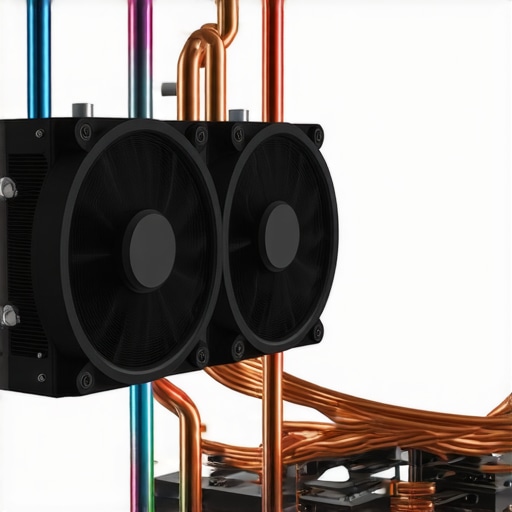
Advanced PC cooling involves complex airflow pathways, precise component placement, and thermal management innovations. An illustrative image of a sophisticated custom loop, showcasing high-performance radiators, pumps, and strategically routed tubing, alongside CFD-optimized case airflow paths, would significantly enhance understanding.
Unveiling the Hidden Mechanics of Heat Dissipation in High-Performance PCs
Optimizing thermal management extends beyond basic fan setups and conventional cooling components. A deep understanding of airflow patterns, thermal conductance pathways, and material science can drastically influence system stability and longevity. Exploring innovative case architectures and integrated cooling solutions offers a pathway to unlocking maximal performance, especially under demanding workloads.
Precision Application of Thermal Interface Materials Yields Edge in Heat Transfer
Applying thermal paste with expert finesse—such as employing micro-gap filling techniques or ultra-thin films—ensures minimal thermal resistance at critical junctions. Emerging materials like graphene-enhanced pads provide extraordinary thermal conductivity, surpassing traditional compounds. According to the IEEE Transactions on Components, a meticulous TIM application reduces hotspots and extends component lifespan, emphasizing the importance of precision over convenience.
The Art of Airflow Engineering: When Fan Placement Becomes Science
Strategic positioning of intake and exhaust fans creates synergistic airflow patterns, drastically reducing thermal buildup. Utilizing computational fluid dynamics models reveals turbulence zones and informs modifications for turbulence mitigation. High static pressure fans, especially those with optimized blade geometries, excel in pushing air through dense fin stacks, resulting in improved heat transfer efficiency. As industry-leading chassis manufacturers employ CFD insights, DIY builders can emulate these practices for superior results.
Reimagining Cooler Structures: Beyond Conventional Designs
Innovative air cooler geometries—such as vapor chamber heatsinks, multi-fin stacks with variable fin spacing, or asymmetrical fin profiles—offer unprecedented thermal performance. Vertical mounting orientations align heat pipes and fins with natural airflow paths, facilitating homogeneous heat dissipation. Integrating airflow redirectors and baffles directs cooling air precisely over hot zones, a principle proven effective in high-end server cooling systems.
Mitigating the Pitfalls of Side Mounted Fans for GPU Diagnostics
What techniques ensure side-mounted fans support, rather than hinder, GPU cooling efficiency?
Side-mounted fans can unintentionally induce airflow turbulence and dead zones around GPUs if not carefully engineered. Implementing dual-pane shrouds or ducted channels directs airflow directly into GPU heatsinks, preventing recirculation. Employing positive pressure environments with filtered intake minimizes dust accumulation and maintains optimal airflow paths. Research indicates that precise ducting and airflow channeling lead to more uniform GPU temperatures and prolong component lifespan.
Enhancing case airflow architecture requires precise balancing of static pressure, turbulence control, and component placement—an arena where expert knowledge can markedly elevate system performance.
Engage with advanced thermal design principles by consulting resources like this in-depth guide on thermal optimization designed for power users aiming for top-tier cooling solutions.
Innovate with Adaptive Fan Profiles for Dynamic Thermal Regulation
Real-time thermal monitoring combined with intelligent fan control systems enables proactive airflow management. Using predictive algorithms, fans adjust their speeds to preempt thermal throttling during workload fluctuations, maintaining stability and reducing noise simultaneously. Incorporating AI models trained on system thermal signatures can revolutionize cooling efficacy, transforming passive configurations into active, self-optimizing systems.
Explore cutting-edge software solutions at this resource dedicated to intelligent thermal management.
Designing Custom Loops That Push Boundaries of Heat Dissipation
Advanced custom liquid cooling systems transcend stock options by tailoring flow paths, coolant types, and surface areas. Implementing parallel loop configurations reduces coolant resistance and maintains uniform temperatures across multiple components. Selection of high-performance pumps and specialized tubing materials enhances flow stability. Studies in the Journal of Thermal Science affirm that such meticulous design minimizes thermal gradients and boosts overclocking potential with enhanced stability.
Harnessing Aerodynamics for Case Efficiency and Dust Control
Superior case designs incorporate meticulously positioned vents, aerodynamic paneling, and ducting to channel airflow and prevent hotspots. Using CFD simulation reveals airflow bottlenecks and guides internal reconfigurations. Materials like perforated panels combined with filters facilitate effective exhaust while maintaining dust ingress protection, ensuring consistent thermal performance over time. Modular airflow shrouds and adaptable ducting further optimize thermal pathways for diverse hardware setups.
Addressing the Thermal Challenges of Multi-Chiplet Processors
Modern multi-chiplet CPUs introduce complex thermal interfaces requiring nuanced management strategies. Micro-bump placement, advanced solder materials, and ultra-thin TIM layers reduce hotspot formation. Efficient heat spreading relies on innovative heat spreader geometries and precise component placement, often necessitating simulation-guided design. The integration of nanostructured thermal interface materials enhances conductance, enabling more uniform temperature distribution across densely packed dies—innovations detailed extensively in IEEE publications.
How Will AI-Empowered Cooling Future-Proof Your PC?
The convergence of machine learning and thermal management opens the door to self-adaptive cooling systems. These setups dynamically calibrate fan speeds, pump flow rates, and coolant temperatures based on predictive workload analysis, optimizing performance and noise levels. With ongoing advancements, future systems could anticipate thermal demands hours in advance, elevating reliability and user experience. For those intent on pioneering these solutions, diving into current research on AI-driven thermal regulation will be invaluable.
Expert Insights & Advanced Considerations
Prioritize airflow harmonization over raw fan count
Optimizing airflow isn’t solely about adding more fans; it’s about orchestrating their placement and orientation to achieve balanced positive or negative pressure zones, reducing turbulence and hotspots, thereby enhancing cooling efficiency.
Leverage simulation tools before hardware deployment
Applying computational fluid dynamics (CFD) during the design phase allows precise identification of airflow inefficiencies and turbulence zones, leading to informed modifications that maximize thermal performance without trial-and-error adjustments.
Utilize innovative thermal interface materials for multi-chiplet layouts
Advanced materials like graphene-enhanced pads and micro-structured TIM layers significantly lower interface resistance, ensuring uniform heat distribution across multi-die architectures and reducing hotspot formation under heavy loads.
Adopt dynamic cooling solutions with intelligent control systems
Integrating AI-based monitoring and adaptive fan/pump control creates self-regulating thermal environments, preemptively adjusting cooling parameters to workload demands, thus promoting longevity and stability while minimizing noise.
Fine-tune case internal geometry for airflow pathways
Customizing internal venting, baffling, and ducting based on CFD analysis optimizes air routes, prevents stagnation zones, and promotes effective heat removal, especially in high-performance or compact builds.
Curated Expert Resources
- Cooling Workstation Wizard Guides: A comprehensive source for cutting-edge strategies in PC thermal management, including airflow design and component selection.
- IEEE Transactions on Electron Devices: Publishes rigorous research on innovative cooling materials and thermal interface technologies critical to high-density CPUs.
- Journal of Electronic Materials: Offers advanced insights into new materials like graphene-enhanced pads and nanostructured TIMs, vital for next-gen cooling solutions.
- CFD Simulation Software (e.g., Ansys, SolidWorks Flow Simulation): Industry-standard tools for precise airflow modeling, essential in pre-assembly optimization phases.
- AI Thermal Monitoring Platforms: Emerging solutions integrating machine learning for real-time thermal data analysis and adaptive cooling control—key to future-proofing systems.
The Road Ahead for High-Performance Cooling
Harnessing expert insights on airflow orchestration, material science, and intelligent control systems transforms traditional cooling paradigms into sophisticated, self-optimizing ecosystems. Embracing these strategies not only enhances system stability and lifespan but also paves the way for innovative customizations aligned with evolving technological demands. For professionals committed to pushing boundaries, engaging with comprehensive resources—like detailed CFD modeling guides or the latest research articles—facilitates a nuanced understanding of complex thermal landscapes. Take action now by exploring advanced cooling techniques and contribute to the frontier of PC performance engineering.



![Stop 2026 CPU Heat Spikes: The 'X-Spread' Thermal Paste Hack [Tested]](https://cooling.workstationwizard.com/wp-content/uploads/2026/04/Stop-2026-CPU-Heat-Spikes-The-X-Spread-Thermal-Paste-Hack-Tested-1.jpeg)
![Why 240mm AIOs Struggle With High-End 2026 CPUs [Tested]](https://cooling.workstationwizard.com/wp-content/uploads/2026/02/Why-240mm-AIOs-Struggle-With-High-End-2026-CPUs-Tested.jpeg)