
Unlocking the Potential of High-Performance PC Cooling Solutions
In the realm of high-end computing, effective thermal management is not merely about selecting quality components like top AIO liquid coolers or premium case fans; it involves a sophisticated understanding of the intricate interplay between airflow dynamics, thermal paste application, and custom fan curve tuning. Mastery of these elements ensures optimal CPU temperatures, enhances system stability, and prolongs component lifespan.
The Importance of Thermal Paste and Its Role in Airflow Optimization
Proper thermal paste application acts as the foundational layer facilitating effective heat transfer between the CPU and cooling apparatus. According to recent research, precise thermal paste installation combined with strategic airflow management can reduce CPU temperatures by up to 10°C. For detailed insights, explore thermal paste application techniques.
Designing Fan Curves for Optimal Airflow and Noise Reduction
Fan curves are not static; they are dynamic profiles dictating fan speed response to temperature thresholds. Advanced tuning of air cooler fan curves allows users to strike a balance between cooling performance and acoustic comfort. Implementing custom fan curves often involves setting aggressive speeds during load and decelerating during idle, thereby minimizing noise without sacrificing thermals.
Deciphering the Complexity of Air Cooler and Case Fan Synchronization
The synergy between case fans and air coolers is crucial. Proper placement, airflow direction, and speed regulation ensure a comprehensive thermal envelope. Experts recommend leveraging software-based fan curve adjustments to synchronize ambient airflow with CPU cooling demands, effectively preventing hotspots.
Why Do Some Systems Experience Thermals That Defy Expectations?
What are the less obvious factors influencing cooling performance that even seasoned builders overlook?
Beyond component selection and basic fan settings, factors such as cable management, dust accumulation, and chassis design significantly impact thermal efficiency. Open airflow channels clear of obstructions combined with high-quality thermal paste application enhance heat dissipation pathways. For an in-depth look at optimizing case airflow and thermal interface materials, consult comprehensive guides and expert tips.
If you aim to push your PC’s thermal boundaries further, consider exploring advanced fan curve management strategies. Sharing your insights with a community of enthusiasts not only refines your approach but also contributes to collective expertise.
Leverage Precision to Achieve Cooler Systems
Beyond standard setups, fine-tuning your fan curves can unlock substantial thermal improvements. Custom profiles, tailored to your specific hardware and workload, enable the fan speeds to respond accurately to temperature fluctuations. This practice minimizes noise during idle or low utilization while ramping up cooling capacity under load. For detailed strategies on crafting these profiles, consider consulting expert fan curve optimization guides.
Synchronize Airflow for Peak Efficiency
Achieving harmonious airflow involves more than just installing case fans; it requires orchestrating their operation to create a cohesive thermal environment. Setting your fans to operate in harmony with your CPU cooler’s demands—by aligning fan curves and adjusting fan directions—ensures efficient heat extraction and uniform temperature distribution. Advanced software tools can assist in creating synchronized profiles, leading to lower overall system temperatures and reduced acoustic output. Discover more about this synergy in comprehensive fan and thermal paste tuning.
Are There Diminishing Returns in Fan Curve Tweaking for Silent Operation?
This question challenges many enthusiasts aiming for whisper-quiet systems. While aggressive fan curve customization can significantly lower temperatures, it may also lead to increased power consumption and wear over time. Conversely, overly conservative profiles might save noise but at the expense of thermal headroom. Balancing these factors requires an understanding of your hardware’s thermal thresholds and noise tolerance. For insights into achieving optimal silence without compromising performance, see expert advice on silent fan configurations.
If you’re eager to refine your system further, sharing your experiences or exploring community forums can provide practical tips and fresh perspectives. Engaging with fellow enthusiasts fosters collective learning and helps you adapt expert strategies to your unique build.
Elevate Your Cooling Engineering with Custom Liquid Cooling Loops
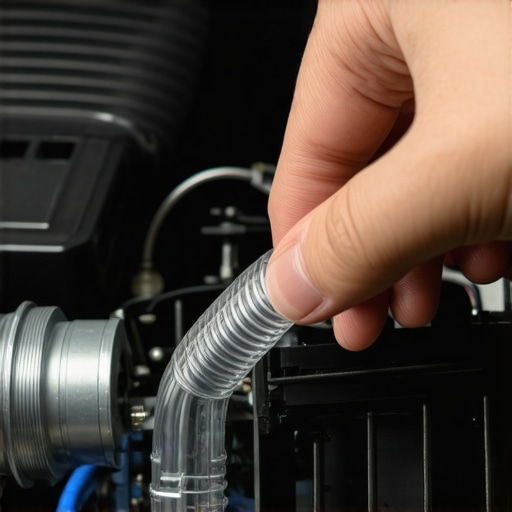
While air cooling solutions are effective, enthusiasts seeking peak thermal performance often turn to bespoke liquid cooling loops. Designing a custom loop involves meticulous component selection, understanding flow dynamics, and optimizing coolant flow pathways to minimize thermal resistance. Strategic placement of radiators, pumps, and reservoirs can significantly improve thermal conductivity and temperature stability for overclocked CPUs and GPUs. Incorporating titanium or copper fittings with high thermal conductivity compounds ensures consistent heat transfer, reducing bottlenecks. For comprehensive guidance, experts recommend consulting detailed build logs from industry professionals such as Linus Tech Tips or Gamers Nexus, which demystify complex loop configurations and bespoke component synergies.
How Can Advanced Flow Dynamics Enhance Custom Cooling Loop Efficiency?
Understanding laminar versus turbulent flow regimes within your loop can make the difference between optimal cooling and stagnation hotspots. Employing Computational Fluid Dynamics (CFD) simulations, like those outlined in the research by Sage Publications, allows for precise prediction of coolant paths and velocity profiles. Practical implementation involves selecting pump models that match the required flow rates and ensuring minimal bend radii in tubing to prevent flow restrictions. Premium fittings and rapid disconnects also reduce flow turbulence and facilitate maintenance, enabling sustained thermal performance amidst demanding workloads.
Harnessing Thermal Sensor Arrays for Real-Time Thermal Management
In high-stakes computing environments, static fan curves or preset profiles fall short of responding dynamically to thermal fluctuations. Integrating a network of high-precision thermal sensors across critical components enables real-time adjustments through software platforms like SpeedFan or proprietary motherboard utilities. Sophisticated algorithms can interpret these data, activating variable pump speeds, adjusting coolant flow, or modulating fan responses instantaneously. This approach minimizes temperature spikes, maintains consistent performance, and extends component longevity. External monitoring hardware, like the Thermal Chamber system, can further facilitate laboratory-grade thermal analysis, establishing a new standard in personal computing thermal regulation.
How Does Phase-Change Cooling Redefine Thermal Management Boundaries?
Phase-change cooling represents the frontier of thermal dissipation technology, employing refrigeration cycles and vapor compression to achieve temperatures far below ambient. This modality surpasses traditional cooling by removing heat through phase transition, enabling overclocking beyond conventional limits. Implementing such systems demands expertise in refrigeration engineering, vacuum sealing, and maintenance, as well as ensuring system compatibility to avoid condensation risks. There are emerging commercial solutions, such as those by CoolIt Systems, which aim to democratize phase-change cooling, yet they remain a niche within enthusiast communities. Investing in this technology requires balancing potential thermal gains against complexity and cost, but for record-breaking overclockers, it offers unparalleled temperature control.
Interested in pioneering next-generation cooling methods or optimizing your current setup with cutting-edge research? Engage with leading hardware forums, attend industry expos, and follow publications like Fanless Tech or ExtremeTech to stay at the frontier of thermal management innovations.
Breaking the Mold: Customizing Cooling Strategies for Elevated Overclocking
While conventional cooling methods suffice for standard workloads, pushing your hardware into the overclocking realm necessitates innovative thermal solutions. Employing custom liquid cooling loops with strategically placed radiators and high-flow pumps can dramatically lower CPU and GPU temperatures, presenting an avenue for enthusiasts seeking record-setting performance. Integrating nickel-plated components with superior thermal conductivity ensures efficient heat transfer, translating into stable, high-frequency operation under sustained loads.
Precision Fluid Dynamics: Optimizing Coolant Flow for Maximum Heat Dissipation
The efficiency of a bespoke cooling loop hinges on meticulous flow design. Utilizing principles from fluid mechanics, such as laminar versus turbulent flow regimes, can influence heat transfer rates within the system. Advanced CFD simulations enable precise modeling of coolant pathways, allowing designers to identify and eliminate turbulence-induced inefficiencies. Selecting pumps with variable speed controls and maintaining optimal tubing diameters minimizes flow restrictions, thereby elevating thermal performance beyond traditional setups.
Harnessing Real-Time Thermal Analytics for Adaptive Cooling
Implementing an array of high-sensitivity thermal sensors across critical components grants unprecedented visibility into system thermals. Coupling these sensors with intelligent control algorithms facilitates dynamic adjustments—modulating pump speeds, fan responses, and coolant flow in real time. Such adaptive cooling not only maintains peak performance but also mitigates thermal stress, prolonging component lifespan. Emerging platforms integrate machine learning to predict thermal trends, allowing preemptive responses and further refining thermal stability.
State-of-the-Art Phase-Change Systems: Redefining Cooling Thresholds
For ventures into extreme overclocking, phase-change cooling introduces a paradigm shift. By mimicking refrigeration cycles, these systems dramatically decrease operating temperatures, opening pathways for frequencies previously deemed unattainable. Designing efficient vapor compression units requires a deep understanding of thermodynamics, material compatibility, and vapor management. Although complex and costly, their deployment marks the frontier of thermal engineering, boasting capabilities that surpass conventional water or air cooling by significant margins.

Synergizing Thermal Interfaces with Intelligent System Architecture
Achieving maximal cooling efficacy involves more than just hardware; it demands an integrated approach. Deploying high-quality thermal interface materials (TIMs) like liquid metals or advancements in phase-change compounds can reduce contact resistance at critical junctions. Pairing this with modular motherboard layouts that facilitate unobstructed airflow and fluid routing creates a harmonious ecosystem. Such comprehensive design mandates a nuanced understanding of thermal paths and component placement, often supported by detailed thermal modeling and iterative testing.
Implementing Hybrid Cooling Solutions for Optimal Versatility
Blending air and liquid cooling techniques offers a tailored approach adaptable to fluctuating workloads. For instance, deploying strategic airflow within the chassis to complement the cooling loop prevents hotspots and enhances overall efficiency. Innovative hybrid setups permit rapid adjustments, like switching between silent operation during idle and aggressive cooling during stress testing. To maximize these benefits, leveraging advanced BIOS configurations, software controls, and modular hardware ensures a flexible and resilient thermal environment.
Why Pioneering Unconventional Cooling Techniques Could Be Your Edge
What are the emerging frontiers in thermal management that distinguished experts are actively exploring?
Beyond traditional methods, cutting-edge research explores thermoelectric coolers, magnetic refrigeration, and even quantum thermal management. Thermoelectric modules, or Peltier elements, can provide targeted cooling, albeit with increased power consumption and complexity. Magnetic refrigeration, utilizing magnetocaloric effects, promises highly efficient heat transfer with minimal moving parts. Staying abreast of these innovations demands engagement with specialized journals like Applied Thermal Engineering and participation in industry conferences such as CES’s cooling technology tracks. Embracing these directions might well position you at the vanguard of PC thermal management.
To dive deeper into these advanced topics and harness novel cooling advancements, consider collaborating with research institutions, subscribing to specialized publications, or engaging with professional communities dedicated to thermal engineering. Your pursuit of thermal mastery could redefine performance boundaries and set new industry standards.
Expert Tips for Cutting-Edge Thermal Management
Achieving superior cooling performance hinges on precise thermal interface material application, optimal airflow pathways, and tailored fan behaviors. Implementing high-quality thermal pastes combined with strategic case airflow designs ensures your components operate within optimal temperature ranges, reducing wear and maximizing performance. For enthusiasts aiming to push boundaries, exploring custom liquid cooling configurations or integrating real-time thermal analytics can offer unprecedented stability and overclocking potential.
Curated Resources to Deepen Your Cooling Knowledge
- Maximize Your PC’s Cooling Power with Top AIO Liquid Coolers in 2025: Discover the latest trends and best practices in all-in-one cooling solutions, ideal for modern high-performance builds.
- Thermal Paste Secrets for Peak Performance: Delve into expert-approved techniques for thermal interface application that elevate thermal transfer efficiency.
- Mastering Fan Curves and Airflow Optimization: Learn how to fine-tune your fan profiles for noise reduction and thermals, ensuring a balanced system.
- Advanced Overclocking with Custom Cooling Loops: Understand the complexities of bespoke liquid cooling setups that unlock maximum overclocking headroom.
The Power of Strategic Cooling Makes All the Difference
In high-end PC assembly, no detail is too small—whether it’s the meticulous application of thermal paste, orchestrating harmonious airflow, or customizing fan profiles to respond to workload spikes. Embracing these advanced insights and leveraging expert resources positions you to craft systems that are not only cooler but also more reliable and silent. Keep engaging with the latest developments and share your experiences—your expertise can inspire a community of like-minded enthusiasts eager to master the art of thermal management.


![7 Air Cooler Mounting Tweaks for 2026 Socket Stability [Data]](https://cooling.workstationwizard.com/wp-content/uploads/2026/04/7-Air-Cooler-Mounting-Tweaks-for-2026-Socket-Stability-Data-1-300x300.jpeg)

![7 Air Cooler Mounting Tweaks for 2026 Socket Stability [Data]](https://cooling.workstationwizard.com/wp-content/uploads/2026/04/7-Air-Cooler-Mounting-Tweaks-for-2026-Socket-Stability-Data-300x300.jpeg)