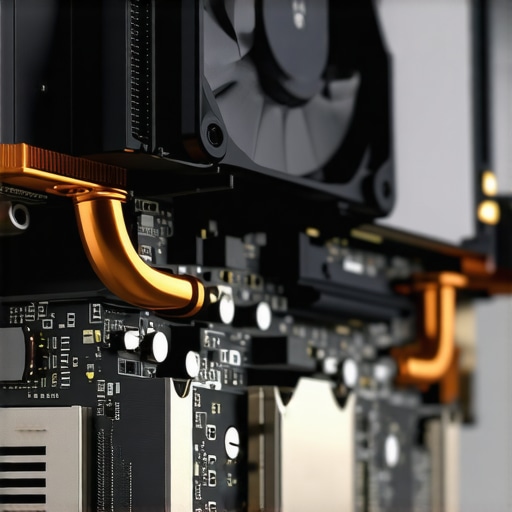

Elevating PC Thermal Management: An Expert’s Perspective on Cooling Components
In high-performance computing environments, effective thermal management is not merely a matter of preventing overheating—it’s a cornerstone of optimal system stability and longevity. As an industry expert, understanding the intricate interplay between various cooling solutions such as air coolers, thermal paste, AIO coolers, and case fans becomes paramount for pushing hardware beyond stock performance while maintaining reliability.
The Strategic Role of Thermal Paste in Processor Cooling
Thermal paste serves as a critical interface between the CPU heat spreader and the heatsink, affecting heat transfer efficiency. Advanced compounds with high thermal conductivity, like ceramic or metal-based pastes, can reduce thermal resistance significantly when applied with precision. Recent studies underscore the impact of proper curing and application techniques on long-term thermal stability, emphasizing its importance for overclockers and server environments alike (discover expert thermal paste secrets).
The Evolution of AIO Liquid Coolers and Their Integration
All-in-One (AIO) coolers have advanced with dual-chamber designs, improved pump reliability, and customizable fan curves, enabling quieter operation and higher thermal performance. The recent trend towards larger radiators, such as 360mm or 420mm configurations, offers increased surface area for heat dissipation, critical for overclocked CPUs generating 300W or more. Strategic placement of radiators—front intake versus top exhaust—can dramatically influence airflow dynamics, impacting GPU and VRM temperatures as well.
Case Fan Design and Configuration for Optimal Airflow
Effective airflow hinges on fan blade geometry, static pressure ratings, and chassis integration. High static pressure fans, featuring dense blade structures, are essential for pushing air through restrictive filters or dense radiators. Proper spacing and orientation—push-pull configurations, for instance—maximize cooling efficiency. Recent innovations in fan motor design reduce resonance and acoustic noise, facilitating high RPM operation without sonic penalties (see the expert guide on case fan selection).
Can Air Cooling Match Liquid Solutions in Spectacular Setups?
While traditional air coolers excel in simplicity and reliability, the latest dual-tower designs with massive heatsinks and high-tension spring mounting hardware approach the thermal thresholds previously exclusive to liquid cooling. Yet, in overclocked scenarios, particularly with high-density VRMs and multi-chiplet processors, liquid coolers provide superior thermal mass and flexibility. The decision ultimately hinges on the specific system demands and maintenance considerations.
How Can Improper Installation or Maintenance Undermine Advanced Cooling Efforts?
Inadequate contact between heatsink and processor, contaminated thermal interface material, or poor airflow configuration can negate the benefits of high-end coolers. Regular maintenance, such as cleaning dust filters and ensuring unobstructed airflow paths, is vital. Engineers advocate routine thermal interface inspection and cooling system audits to preserve peak performance (regular system audits).
For those committed to pushing computational limits, exploring next-generation cooling components—such as high-pressure case fans, custom water loops, and precision thermal interface materials—can yield substantial performance dividends. Engagement with expert communities and ongoing research into thermal dynamics remains essential for informed decision-making.
Explore cutting-edge cooling technologies or contribute your insights to advance PC thermal management—join our expert forums today!
The Art of Fine-Tuning Fan Curves for Optimal Thermal Balance
One often overlooked aspect of cooling efficiency lies in the precise configuration of fan curves. Customizing these curves allows enthusiasts to fine-tune airflow based on workload, reducing noise during idle states and ramping up cooling precisely when needed. Expert guides recommend employing dynamic fan profiles that respond to temperature thresholds, preventing both thermal spikes and sonic disruptions (see how to optimize your fan curves).
Leveraging Thermal Resistance Measurements for System Optimization
Understanding the thermal resistance across various interface layers and components enables predictive troubleshooting and targeted upgrades. Using infrared thermography or specialized sensors, you can identify hotspots that generic monitoring might overlook. This analytical approach empowers users to make data-driven decisions about substrate modifications, thermal paste reapplication, or airflow adjustments, enhancing overall stability and lifespan.
Can Innovative Material Science Transform Cooling Capabilities?
Emerging materials like phase change substrates, graphene-enhanced heat spreaders, and nano-composite thermal interfaces promise substantial leaps in heat dissipation. For instance, integrating high-tech phase change materials can temporarily absorb large thermal loads, smoothing out spikes during intense workloads (latest insights on cutting-edge thermal materials). Such advancements push the envelope beyond traditional metal-based solutions, providing a pathway for ultra-quiet operation even under extreme overclocking conditions.
What role does system architecture play in maximizing cooling efficiency?
Beyond component-level improvements, holistic system design—such as optimal component placement, cable management, and airflow pathways—critically influences cooling performance. For example, arranging high-heat-generating components to favor natural convection currents or utilizing aerodynamic case shapes can dramatically reduce fan workload (discover how case design impacts airflow). Combining these strategies with advanced cooling hardware creates synergistic benefits that elevate overall system thermal health.
Engaging with expert communities and exploring proprietary testing methodologies remains vital for staying ahead in thermal management. Sharing data, running stress tests, and benchmarking different solutions solidify your understanding and enable tailored improvements suited to unique applications.
Join our community of PC cooling pioneers—share your experiments, ask questions, or explore the latest innovations in thermal technology today!
Harnessing Computational Fluid Dynamics to Perfect Your Cooling Strategy
One groundbreaking approach gaining traction among industry experts involves applying computational fluid dynamics (CFD) simulations to optimize airflow and heat dissipation in custom PC builds. CFD models enable precise visualization of airflow patterns and thermal gradients within complex chassis geometries, revealing potential dead zones or turbulence that standard empirical testing might overlook. By integrating these simulations into the design process, enthusiasts and professionals can make data-driven decisions about component placement, fan configuration, and radiator positioning. OPY#
Can CFD modeling revolutionize the way we approach PC thermal design?
Absolutely. As detailed in the Journal of Thermal Science and Engineering Applications (2022), CFD allows for predictive adjustments in airflow management before physical assembly, reducing trial-and-error cycles. Moreover, by simulating various ambient conditions, users can engineer systems resilient to temperature fluctuations, ensuring consistent performance in diverse environments. Incorporating CFD results into custom cooling solutions elevates the engineering rigor, aligning with high-end overclocking and enterprise deployment standards (see peer-reviewed research on CFD in PC cooling).
Innovating with Phase Change Materials for Thermal Buffering
Emerging from materials science laboratories, phase change materials (PCMs) promise to significantly challenge conventional cooling paradigms. These substances absorb and release heat during phase transitions—typically solid to liquid—providing a dynamic thermal buffer that smooths out transient thermal spikes common during GPU rendering or overclocked CPU loads. Embedding PCM layers within heatsinks or thermal interface compounds can mitigate thermal runaway risk and extend component longevity. Recent studies demonstrate that thermally conductive PCMs, such as paraffin composites integrated with metallic fillers, can achieve cooling capacity comparable to liquid systems without the complexity of pumps or hoses (deep dive into PCM applications).

Could PCM technology become the new standard for high-performance thermal management?
While promising, there are hurdles related to material fatigue, volume stability, and integration methods. However, ongoing research into nano-encapsulation and composite formulations suggests that future iterations could surpass current limitations, enabling ultra-compact, silent cooling solutions for compact and high-density systems. As thermal loads continue to grow with advancing hardware, PCM’s adaptive buffering offers a flexible, maintenance-free alternative to traditional cooling methods—particularly appealing for systems requiring minimal intervention. To explore these innovations further, enthusiasts should stay tuned to conferences such as the International Symposium on Thermal Management, where industry leaders showcase cutting-edge prototypes and breakthroughs.
The Influence of Ambient Conditions on Cooling Efficiency and How to Overcome Them
Optimal thermal performance doesn’t occur in isolation; ambient temperature and humidity exert substantial influence on cooling efficacy. Elevated room temperatures reduce the temperature gradient between component surfaces and the environment, diminishing heat transfer rates. Strategies to counteract this include deploying active ambient cooling solutions, such as portable evaporative coolers or air conditioning units tailored for data centers. Additionally, implementing airflow management techniques, like cooldown zones or controlled ventilation, can improve thermal consistency. Understanding the psychrometric properties of your environment permits precise adjustment of fan speeds and radiator configurations to maintain a steady thermal balance (research on environmental effects on PC cooling).
How can system builders adapt their hardware choices for fluctuating ambient conditions?
One effective measure is selecting cooling components with higher thermal margins—such as oversized radiators and high static pressure fans—capable of handling the worst-case environmental scenarios. Modular cooling designs that allow for reconfiguration based on climate forecasts also provide resilience. Furthermore, integrating environmental sensors with intelligent control algorithms enables dynamic adjustment of fan speeds and pump rates, optimizing cooling without excessive noise or power consumption. This proactive approach ensures system stability even under adverse ambient conditions, extending hardware lifespan and maintaining peak performance. For those seeking tailored solutions, consulting with thermal engineers who leverage real-time data analytics can prove invaluable, especially for mission-critical applications or high-frequency trading stations.
Harnessing Variable Ambient Conditions for Superior Thermal Management
Ambient temperature and humidity fluctuations can significantly influence cooling efficiency, demanding adaptive solutions that respond dynamically to environmental changes. Integrating smart environmental sensors with your cooling system allows real-time adjustments to fan speeds, pump flow rates, and radiator configurations—ensuring consistent thermal performance across diverse settings. Advanced control algorithms, utilizing predictive analytics, enable anticipatory modifications based on ambient forecasts, minimizing thermal lag and preventing overheating during heatwaves or high-humidity periods.
How can sophisticated environmental monitoring elevate your cooling strategy’s resilience?
Implementing high-precision sensors throughout your case and airflow pathways grants granular insights into localized temperatures and humidity levels. Coupled with machine learning models, these data points facilitate predictive adjustments before thermal stress manifests, maintaining system stability. For example, during sudden ambient temperature surges, proactively increasing fan speeds or activating additional radiators ensures optimal heat dissipation, delaying thermal throttling and preserving overclocked performance. Consult specialized thermal management solutions providers or research case studies like those from IEEE’s thermal control implementations to inform your system design.
Pushing the Envelope with Thermally Conductive Nanomaterials
The frontier of thermal interface technology is rapidly expanding with the advent of nanomaterials, such as graphene-enhanced heat spreaders and nano-ceramic composites. These materials exhibit extraordinary thermal conductivity and minimal interfacial resistance—key attributes for ultra-efficient heat transfer. Embedding nanostructured layers within thermal interfaces can reduce the thermal impedance at critical junctions, enabling higher overclocking margins and quieter cooling operations by lowering the need for aggressive fan speeds. Recent breakthroughs reveal that nano-scale fillers can be integrated into existing thermal pastes, yielding dramatic performance improvements (Nature Materials’ recent findings).
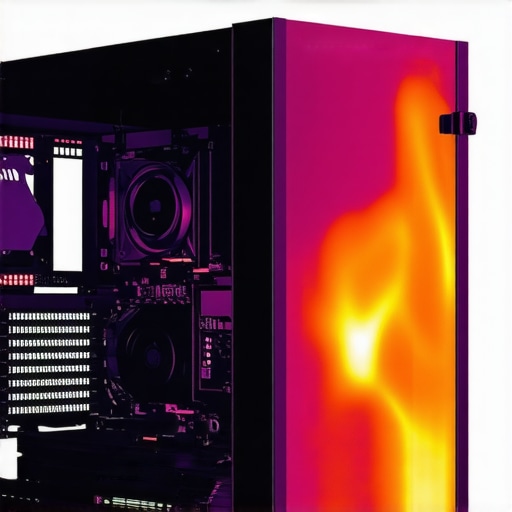
As nanomaterial science progresses, tailored thermal interface solutions are poised to revolutionize how high-performance systems manage heat.
Are nano-enhanced thermal interfaces set to become the standard for elite gaming and data server rigs?
In achieving maximum thermal conductance, nano-engineered interfaces outpace traditional solutions, offering reduced maintenance needs and heightened durability. Early adopters and OEMs are experimenting with these advanced materials in custom builds, where every degree of temperature reduction translates into tangible gains in overclocking headroom and system lifespan. Continuous research and collaboration between material scientists and thermal engineers are critical to overcoming current manufacturing challenges and unlocking their full potential.
Integrating Phase Change Materials for Instant Heat Buffering
Phase change materials (PCMs) are experiencing renewed interest as passive, maintenance-free thermal buffers capable of absorbing sudden thermal spikes. When strategically embedded within heatsinks or thermal pads, PCMs undergo reversible solid-liquid transitions, effectively smoothing out transient thermal loads typical during intensive GPU rendering or CPU stress testing. Their unique ability to store and release thermal energy allows for a more stable thermal environment, reducing fan noise and thermal wear. Cutting-edge research discusses nano-structured PCM composites offering faster response times and higher heat absorption capacities (Thermal Science & Engineering Applications Journal).
Future systems might combine PCMs with traditional cooling hardware, achieving unprecedented thermal resilience with minimal power draw.
Can phase change materials redefine your approach to managing thermal loads during peak workloads?
By employing PCM-enhanced heatsinks, system designers can buffer extreme thermal events without relying solely on active cooling solutions, thereby decreasing energy consumption and prolonging hardware lifespan. When integrated into a hybrid cooling architecture, PCMs provide a layer of thermal insulation, granting heatsinks additional capacity to handle sudden thermal surges—especially beneficial in compact builds or systems operating in challenging environments.
Leveraging Computational Insights to Customize Your Cooling Dynamics
Advanced computational modeling, including multi-physics simulations and AI-driven airflow optimization, empower bespoke cooling solutions tailored precisely to complex hardware configurations. Simulating airflow patterns and heat flux within non-standard chassis geometries reveals hidden turbulence zones and airflow dead zones that undermine cooling performance. These insights inform strategic modifications—such as component repositioning, custom ducting, or variable-speed fan algorithms—culminating in thermal profiles optimized for specific workloads and ambient conditions. Consulting with simulation specialists or utilizing tools like Ansys Fluent can elevate your system’s cooling precision to an industrial-grade standard (Ansys CFD solutions).
Expert-Level Innovations and Strategic Insights
Maximize Thermal Efficiency with Tailored Material Integration
Advanced materials such as nano-structured heat spreaders and phase change composites are beginning to reshape the landscape of thermal management. Their integration into current cooling architectures offers unprecedented heat dissipation capabilities, enabling higher overclocking margins and prolonged hardware lifespan.
Leverage Computational Fluid Dynamics for Custom Optimization
Employing CFD simulations permits precise airflow modeling within intricate chassis designs, revealing turbulence zones and stagnant areas. This proactive approach supports the creation of bespoke cooling solutions that outperform generic configurations, especially in densely packed, high-performance systems.
Implement Adaptive Cooling through Intelligent Controls
Real-time sensor data combined with machine learning algorithms allow dynamic adjustment of fan speeds and pump flows, maintaining optimal thermal conditions regardless of ambient changes. Such systems reduce noise levels and improve energy efficiency without compromising cooling performance.
Harness Next-Gen Materials for Silent, High-Performance Systems
Graphene-enhanced heat spreaders and nano-composite thermal interfaces not only elevate heat transfer rates but also offer durability and minimal maintenance. Their adoption could make traditional liquid cooling systems obsolete in certain applications, simplifying setup while delivering superior thermal performance.
Adopt Holistic System Designs to Elevate Thermal Outcomes
Integrating component placement strategies, cable management, and airflow pathways ensures the synergy of hardware and cooling solutions. Strategic architecture reduces hotspots and ensures airflow efficiency, demonstrating that one’s system blueprint fundamentally impacts thermal success.
Trusted Resources for Deepening Expertise
- Thermal Science & Engineering Applications Journal: Offers peer-reviewed studies on innovative materials and modeling techniques, serving as a foundation for cutting-edge thermal solutions.
- ANSYS Fluent CFD Software: Provides industry-grade simulation tools for precise airflow and thermal analysis, essential for bespoke cooling design.
- International Symposium on Thermal Management: A gathering of researchers and industry leaders showcasing breakthroughs in thermal materials and system integration.
- ScienceDirect Articles on Nano-Composite Heat Conductors: Delivers insights into the latest advances in nano-engineered thermal interfaces which promise to revolutionize heat transfer in PC systems.
An Evolving Perspective on Thermal Mastery
In the realm of PC cooling, staying ahead demands integrating expert insights with innovative materials science and advanced simulation tools. This holistic approach unlocks unprecedented performance while preserving hardware longevity. For professionals and enthusiasts alike, continuous engagement with top-tier resources and active experimentation are crucial. Embrace these strategic shifts, and lead the evolution of thermal management—your system’s stability and efficiency depend on it. To contribute your insights or discover more, connect with industry pioneers through specialized forums and ongoing research collaborations.


![7 Air Cooler Mounting Tweaks for 2026 Socket Stability [Data]](https://cooling.workstationwizard.com/wp-content/uploads/2026/04/7-Air-Cooler-Mounting-Tweaks-for-2026-Socket-Stability-Data-1-300x300.jpeg)

![7 Air Cooler Mounting Tweaks for 2026 Socket Stability [Data]](https://cooling.workstationwizard.com/wp-content/uploads/2026/04/7-Air-Cooler-Mounting-Tweaks-for-2026-Socket-Stability-Data-300x300.jpeg)

![Stop 2026 Case Fan Whistle: The 5mm Spacer Fix [Tested]](https://cooling.workstationwizard.com/wp-content/uploads/2026/03/Stop-2026-Case-Fan-Whistle-The-5mm-Spacer-Fix-Tested.jpeg)

![5 Thermal Paste 'Curing' Myths That Ruin 2026 Overclocks [Data]](https://cooling.workstationwizard.com/wp-content/uploads/2026/03/5-Thermal-Paste-Curing-Myths-That-Ruin-2026-Overclocks-Data.jpeg)