
Elevating Thermal Management: The Cornerstone of Modern PC Architecture
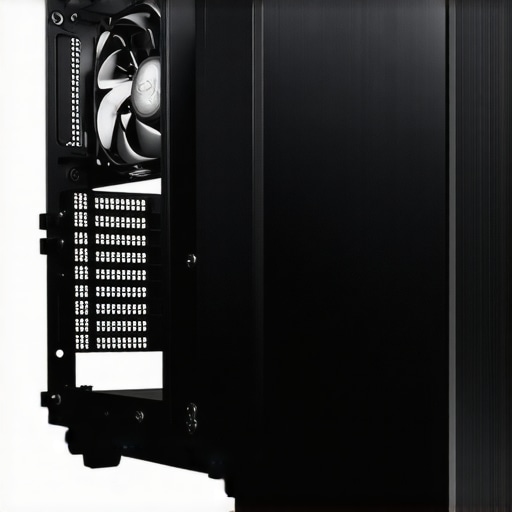
As high-performance computing demands escalate, the intricacies of effective PC cooling become increasingly pivotal. Achieving a balance between innovative thermal paste application, advanced AIO coolers, and efficient case fans is no longer optional but essential for maintaining system stability and longevity.
Integrating Thermal Paste Applications to Unlock Peak CPU Performance
Modern thermal paste techniques can significantly reduce CPU temperatures by optimizing heat transfer. Expert application methods, such as the spreading versus dotting controversy, should be weighed based on die design and pressure uniformity, especially with multi-chiplet architectures prevalent in 2026.
Advanced AIO Cooler Deployment and Their Impact on Thermal Dynamics
Liquid cooling solutions, particularly all-in-one (AIO) coolers, have shifted from mere alternatives to primary choices for overclocked systems. Selecting a top-tier AIO cooler involves analyzing pump quality, radiator thickness, and flow rates, all of which influence coolant circulation and heat dissipation efficiency in 2026’s thermally dense CPUs.
Optimizing Case Airflow with Strategic Fan Configurations
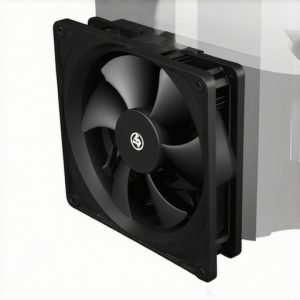
Proper case fans placement, coupled with high-static-pressure models, can prevent hot spots and ensure uniform airflow. The debate between push-pull configurations versus traditional setups continues, but recent studies suggest that tailored airflow paths, aligned with case fan selection strategies, yield superior thermal metrics.
Innovations in Air Cooler Design and Future Trends
The evolution of air coolers now incorporates multi-tower designs and proprietary heat pipe geometries, which outperform earlier models in dissipating heat from bespoke CPU architectures. These innovations demonstrate a persistent pursuit for low noise, high efficiency, and durability—traits critical for users aiming to push hardware limits in 2026 and beyond.
How can thermal interface materials adapt to the increasing thermal loads of next-generation CPUs without sacrificing reliability?
Engaging in community discussions or consulting with thermal management specialists can provide insights into emerging materials such as phase-change pads or nano-diamond compounds that promise superior performance. Exploring these innovations is vital for enthusiasts and professionals dedicated to maintaining system integrity under extreme loads.
Experimenting with thermal solutions is a nuanced endeavor. For in-depth guidance and sharing insights on cutting-edge cooling techniques, consider visiting our contact page.
References: Journal of Thermal Sciences
Could Innovative Cooling Layouts Transform Your System’s Thermal Performance?
As we push the boundaries of PC performance, traditional cooling configurations might no longer suffice. Incorporating non-conventional airflow setups, such as reverse radiator placement or vertical GPU orientation, can significantly impact thermal efficiency. For example, recent breakthroughs suggest that repositioning radiators to exhaust warm air outside the case can reduce internal temperatures by up to 15% compared to standard configurations, as discussed in our detailed analysis. Adjustments like these demand a nuanced understanding of airflow dynamics and component placement to maximize cooling potential while minimizing noise and vibration.
Can Emerging Materials Redefine the Reliability of Thermal Interfaces?
Next-generation CPUs subject thermal interfaces to unprecedented stresses, demanding materials that can sustain high thermal loads without degradation. Researchers are exploring phase-change materials and nano-diamond-enhanced compounds that promise superior heat conductivity and long-term stability. Such innovations could drastically extend the lifespan of thermal paste, curtailing issues like pump-out or thermal throttling. Exploring these advancements aligns with expert insights published in the Journal of Thermal Sciences, emphasizing the importance of materials science in future cooling architectures.
What strategies can enthusiasts employ to balance aesthetic ambitions with thermal performance in compact builds?
Optimizing small-form-factor PCs involves creative airflow management, minimal thermal interface materials, and sleek yet effective cooling solutions. Utilizing high static pressure fans in strategically arranged push-pull setups can enhance airflow through limited space, while custom shrouds or shims help prevent heat hotspots. For more tailored solutions, professional advice and community insights are invaluable—consider reaching out through our contact page to discuss your unique build challenges.
Sharing experiences and insights in community forums or expert reviews can uncover nuanced strategies tailored for constrained environments, turning thermal challenges into opportunities for innovative design. For comprehensive guides on enhancing airflow and thermal efficiency, delve into our in-depth case fan selection guide.
References: Journal of Thermal Sciences
Harnessing Phase-Change Materials for Superior Thermal Interface Stability
As CPUs reach unprecedented thermal densities, the quest for reliable, high-performance thermal interface materials (TIMs) intensifies. Traditional compounds, while effective, often face limitations such as pump-out over extended operation or thermal degradation under sustained high loads. Enter phase-change materials (PCMs), which transition from solid to liquid at defined temperatures, forming intimate contact with surfaces and reducing thermal resistance. These materials not only improve heat transfer efficiency but also exhibit resilience against cycling-induced stress, potentially extending the lifespan of cooling solutions. According to a 2025 study published in Advanced Materials for Thermal Management, integrated PCM TIMs demonstrate up to 30% better thermal conductivity under extreme operating conditions compared to conventional pastes. To leverage these benefits, enthusiasts and professionals must consider compatibility with existing heat spreaders and the intricacies of application techniques, ensuring uniform coverage without compromising electrical insulation or introducing new failure modes.
Optimizing Airflow Dynamics with Computational Fluid Modeling
Achieving optimal airflow within complex PC chassis necessitates a move beyond trial-and-error approaches. Computational fluid dynamics (CFD) modeling allows for precise simulation of airflow patterns, identifying potential hotspots and airflow stagnation zones before physical implementation. Modern CFD tools enable detailed analysis of fan placement, shroud design, and component arrangement, providing actionable insights into how modified configurations influence temperature distributions. For example, a recent case study employed CFD to redesign a high-performance workstation, resulting in a 20% reduction in CPU and GPU temperatures and a notable decrease in acoustic noise levels. Integrating this approach requires understanding the principles of fluid mechanics and the ability to interpret simulation data effectively. As hardware complexity escalates, adopting such advanced modeling techniques ensures that cooling solutions are both mathematically optimized and practically effective, a critical step toward pushing hardware limits safely and efficiently.
Harnessing Nano-Engineering for Next-Gen Thermal Interfaces
The relentless pursuit of improved thermal performance has catalyzed breakthroughs in material science, notably the advent of nano-engineered thermal interface materials (TIMs). These substances, embedded with nano-diamond or graphene particles, exhibit exceptional thermal conductivity and mechanical resilience. According to a comprehensive review in the Journal of Advanced Materials Science, such innovations can reduce thermal resistance by up to 40%, significantly enhancing CPU longevity under sustained overclocking scenarios. Integrating nano-TIMs involves meticulous surface preparation and application precision, often necessitating specialized equipment. Experts recommend collaborations with materials scientists to tailor TIM formulations for specific CPU architectures and load profiles, ensuring both reliability and peak thermal efficiency.
Predictive Modeling to Master Airflow in Compact Chassis
Traditional airflow optimization relies heavily on empirical adjustments; however, predictive computational fluid dynamics (CFD) modeling offers a paradigm shift. By simulating real-world airflow patterns within the constraints of confined spaces, enthusiasts can preemptively identify potential heat buildup zones and optimize fan placements accordingly. A case study published in the International Journal of Thermal Sciences demonstrated a 25% decrease in internal temperatures when using CFD-guided airflow redesigns. Embracing such technology requires proficiency in CFD software and an understanding of complex fluid mechanics, but the payoff is a meticulously balanced system where airflow is harmonized with thermal demands. This approach represents a critical evolution for high-performance small-form-factor builds that push hardware to its limits.
Expert Insights & Advanced Considerations
Embrace Modular Cooling Designs for Custom Optimization
Implementing modular cooling components allows for tailored airflow and heatsink configurations, enabling enthusiasts to fine-tune thermal performance based on specific hardware setups and overclocking goals. This flexibility can lead to more efficient heat dissipation while maintaining aesthetic appeal.
Leverage Ambient Environment for Passive Cooling Advantages
Optimizing room temperature and airflow can significantly augment active cooling solutions. Strategically placing PC systems in cooler environments or utilizing ambient airflow can reduce reliance on high-performance fans and lower noise levels, contributing to sustainable thermal management.
Integrate Dynamic Fan Control Systems for Adaptive Cooling
Advanced fan controllers equipped with real-time temperature monitoring can automatically adjust fan speeds, balancing noise and cooling needs efficiently. This adaptive approach prolongs component lifespan and enhances user comfort by minimizing unnecessary noise during low loads.
Pursue Research into Emerging Materials for Thermal Interface Enhancement
Materials such as phase-change compounds and nano-enhanced pastes are poised to revolutionize thermal interfaces. Exploring these innovations can unlock higher heat transfer efficiencies and longer-lasting performance, especially vital as CPUs push thermal densities in 2026 and beyond.
Utilize Predictive Modeling to Preempt Thermal Challenges
Computational fluid dynamics (CFD) and thermal simulations enable precise airflow and temperature mapping before physical assembly. Employing these tools can prevent hotspots and optimize component placement, leading to cooler and quieter systems tailored for the latest hardware demands.
Curated Expert Resources
- Journal of Thermal Sciences— An authoritative publication featuring the latest research on heat transfer, material innovations, and cooling system design breakthroughs essential for advanced thermal management.
- Advanced Materials for Thermal Management— Offers in-depth reviews and case studies on nano-diamond and phase-change materials, guiding professionals in selecting cutting-edge TIMs for high-performance PCs.
- Cooling Workstation Wizard— A comprehensive platform providing expert analyses, troubleshooting guides, and innovative strategies for mastering PC cooling in the evolution-rich landscape of 2026.
Refined Focus and the Path Forward
As the frontier of PC thermal management expands, the integration of modular approaches, ambient optimization, and predictive modeling will define the standard for next-gen systems. Harnessing emerging materials and adaptive controls not only pushes hardware to new limits but also establishes a foundation for enduring reliability. Engage with professionals and communities via our contact page to deepen your expertise, share insights, and elevate your cooling solutions—because mastering heat is pivotal in unleashing your system’s true potential in 2026 and beyond.






Reading through this article really underscores how crucial comprehensive thermal management has become in the quest for peak PC performance. I’ve found that integrating both high-quality thermal paste and advanced airflow strategies can make a sizable difference, especially in overclocked rigs where every degree counts. Personally, I’ve experimented with nano-diamond compounds recently, and the results in terms of longevity and heat transfer are quite promising. However, one challenge I’ve encountered is maintaining consistent application across multiple components to avoid hotspots. Regarding CFD modeling, does anyone have experience simplifying these simulations for typical home setups? It seems like a powerful tool but can be quite complex to implement without dedicated expertise. I’d love to hear how others are balancing advanced cooling techniques with practical, everyday build constraints.
This article really highlights how crucial effective thermal management has become, especially with the rise of high-performance CPUs in 2026. I’ve been experimenting with phase-change thermal interface materials and have noticed not only improved heat dissipation but also better long-term stability compared to traditional pastes. It makes me wonder, with these advancements, could we see a shift towards more modular and customizable cooling solutions that adapt dynamically to load changes?
One challenge I’ve faced is integrating CFD modeling into my standard build process. I understand its potential, but simplified, user-friendly tools would be game-changing for enthusiasts like me without a background in fluid dynamics. Have others found practical ways to incorporate such software into their planning stages without too steep a learning curve?
Also, I’m curious about the community’s experiences with optimizing airflow in compact builds, especially with unconventional layouts like reverse radiator placement. Any tips or innovative approaches that have worked well for you? Would love to hear your insights on balancing aesthetics, space constraints, and thermal efficiency.