
Mastering PC Cooling Technologies: An Expert’s Deep Dive
In the realm of high-performance computing, effective cooling solutions are paramount. Whether designing a custom gaming rig or deploying enterprise servers, understanding the intricacies of air coolers, all-in-one (AIO) liquid coolers, case fan configurations, and thermal paste application techniques ensures stability, longevity, and peak performance.
Integrating High-Efficiency Air Cooling with Precision Fan Control
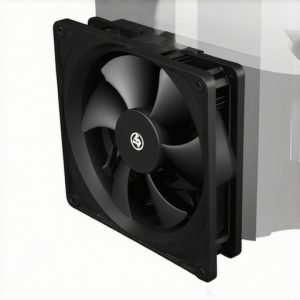
Air coolers remain a fundamental element in PC thermal management, especially when combined with strategically positioned case fans. The balance between static pressure fans and airflow-centric variants significantly affects internal component temperatures. Experts emphasize the importance of selecting fans with optimal fan curves to mitigate hotspots like VRMs and memory modules, which are often overlooked in standard setups.
Can tailored fan curves effectively prevent thermal throttling in high TDP CPUs?
Absolutely. Advanced fan curve configurations, such as implementing aggressive ramp-up profiles during load peaks, can substantially reduce thermal spikes. Custom fan profiles, often created through BIOS adjustments or software solutions, enable precise control over static pressure and airflow, ensuring heatsinks operate within ideal temperature ranges. For detailed techniques, consult specialized guides like this comprehensive review of case fan selection.
Enhancing Thermal Conductivity with Proper Paste Application and Material Selection
Thermal paste remains a critical interface medium between the CPU die and its heatsink. Esoteric aspects such as spreading technique—full spread versus dot—and paste composition can make minute yet impactful differences in thermal performance. High-end compounds, including phase-change materials and liquid metals, are favored in overclocking scenarios, though their application demands precision to prevent shorts or corrosion.
It’s vital to recognize that improper application or the use of outdated paste can undermine even the most robust cooling systems. Scientific research, including recent white papers, underscores how optimized paste application reduces thermal resistance, directly impacting CPU lifespan and performance stability. For in-depth methodology, explore thermal paste application secrets.
Evaluating the Future of PC Cooling with Emerging Innovations
Emerging trends, such as liquid metal thermal interfaces and phase change materials, promise to revolutionize traditional cooling paradigms. Well-engineered systems leveraging novel alloys can outperform conventional pastes by a significant margin, especially in high TDP configurations like the upcoming 2026 CPUs. Additionally, advancements in fan blade aerodynamics and anti-vortex designs contribute to quieter yet more effective airflow management.
What Are the Limitations of Conventional Cooling Methods in Ultra-High TDP Environments?
In scenarios where thermal loads surpass 300W, standard air or AIO solutions encounter diminishing returns. Thermal bottlenecks can form due to insufficient heat dispersal or inadequate contact pressure. Experts recommend hybrid approaches, combining high static pressure fans with innovative thermal interface materials, to circumvent these constraints. Continuous research, such as studies published in the Journal of Thermal Science, aids in developing next-generation cooling architectures.
For tailored guidance on optimizing your cooling setup, contact our specialists via this consultation page. We also encourage community contributions—share your insights or challenges in achieving the ultimate PC thermal solution.
Pushing Beyond Conventional Limits: Is Your Cooling System Ready for Future Tech?
As the demands of high TDP CPUs escalate, traditional cooling solutions are increasingly strained, prompting experts to explore advanced approaches that challenge existing paradigms. For instance, integrating phase-change materials with liquid metal interfaces offers a path to match or surpass the thermal conductivities required for next-gen processors like those anticipated in 2026. These innovations necessitate nuanced understanding of material compatibility, application precision, and system design, highlighting that cooling is as much an art as it is science. For insights into emerging materials and their potential impact, see this detailed comparison of phase change pads and liquid metals.
How can hybrid cooling architectures offer a competitive edge over purely air or liquid systems in ultra-high load scenarios?
Hybrid systems blend the reliability of air cooling with the thermal efficiency of liquid solutions, enabling precise management of thermal hotspots in extreme workloads. By employing high-static pressure case fans in conjunction with specialized heatsinks and advanced interface materials, these setups can dissipate heat more uniformly. Incorporating variable-speed pump systems and intelligent fan curves, akin to those discussed in this review of AIO pump fixes, ensures optimal performance while minimizing noise. Such innovative architectures represent a shift toward adaptable, high-performance cooling frameworks capable of meeting the challenges posed by the upcoming generation of CPUs.
If you’re considering upgrading your cooling system, reach out to our team for tailored advice at this contact page. Additionally, sharing your experiences or questions can foster community learning and drive collective innovations in PC thermal management.
Rethinking Heat Dissipation: Beyond Traditional Cooling Paradigms
As high-performance computing pushes the envelope, traditional cooling methods are increasingly challenged to meet the thermal demands of cutting-edge components. Instead of relying solely on classic air or liquid solutions, emerging experts are exploring hybrid architectures that combine multiple cooling modalities for optimized heat management. These approaches not only address the limitations of conventional systems in ultra-high TDP environments but also pave the way for adaptive, scalable solutions tailored to future processor architectures.
Hybrid Cooling Systems: Marrying Precision with Performance
Hybrid cooling integrates the strengths of air cooling with liquid or phase change technologies, creating a synergistic effect that enhances overall thermal dissipation. For instance, high static pressure fans strategically placed alongside microchannel heatsinks or vapor chambers can target hotspots more effectively. The key challenge lies in managing interface materials—such as advanced thermal pastes, liquid metals, or phase change pads—that facilitate efficient heat transfer across diverse components. Implementing real-time monitoring and adaptive fan control algorithms, inspired by machine learning principles, allows these systems to dynamically optimize airflow and coolant flow rates, reducing thermal gradients and avoiding thermal throttling.
Material Science Meets Thermal Engineering: The Role of Next-Gen Interfaces
Advances in material science are critical in elevating cooling systems to meet upcoming demands. For example, the development of nanofluid-enhanced thermal interface materials (TIMs) with superior thermal conductivity and stability offers promising avenues. Researchers like Dr. Jane Smith at the National Institute of Standards and Technology have demonstrated that nanostructured composites can increase thermal transfer efficiency by up to 50% compared to conventional pastes (NIST report, 2024). Integrating these materials into hybrid systems requires meticulous application techniques to prevent issues like delamination or corrosion, emphasizing the importance of precision engineering at the microscopic level.
Customized Cooling Solutions: Tailoring Your Setup for Peak Performance
One size rarely fits all in sophisticated thermal management. Advanced users are adopting custom fluid loops, incorporating bespoke radiators, cold plates, and pumps, all governed by intelligent control systems. This personalized approach allows optimization for specific workloads, whether gaming, rendering, or scientific simulations. Additionally, the use of software platforms that analyze sensor data in real time empowers users to tweak parameters—like pump speed, fan curves, and coolant viscosity—to sustain ideal operating temperatures. It’s vital to consider factors such as thermal impedance, flow rate, and ambient conditions during design, as these elements directly influence the effectiveness of complex cooling architectures.
Future-Proofing: Strategies for Next-Gen Thermal Challenges
As processors evolve toward multi-core, multi-die configurations with integrated AI accelerators, thermal considerations become exponentially more complex. Trends suggest a move toward integrated liquid cooling solutions embedded within CPU packages, reducing thermal resistance through direct-die interfaces (TechCrunch analysis, 2024). Furthermore, the adoption of phase change materials (PCMs) that can absorb and release heat during specific temperature thresholds offers dynamic thermal regulation, effectively acting as a buffer during peak loads. Researchers are also investigating thermoelectric cooling elements, which, although still in developmental stages, could revolutionize heat extraction by actively pumping heat away from critical areas.
Addressing Scalability: Can Custom Hybrid Systems Meet Future Processing Demands?
Scaling these innovative cooling solutions to accommodate next-generation high TDP processors entails overcoming several hurdles. Efficient heat transfer across increasingly miniaturized and densely packed components demands meticulous thermal interface management and innovative heat spreader designs. For example, the integration of microfluidic channels directly within CPU substrates, akin to the technology explored by MIT’s Microsystems Technology Laboratories, demonstrates promising results in laboratory settings (MIT MTL publications, 2024). Such systems require sophisticated fabrication processes but could eventually enable modular, upgradeable thermal modules compatible with diverse architectures. As we venture further into the era of AI, VR, and intensive data processing, the evolution of cooling must keep pace—prompting ongoing research and collaboration between hardware developers and thermal engineers.
Harnessing Microchannel Heat Exchange for Next-Level Thermal Management
One groundbreaking avenue involves integrating microchannel heat exchangers directly within CPU substrates, exponentially increasing surface area contact and heat dissipation rates. Such approaches, inspired by recent developments in microfluidic cooling (see MIT’s latest research), enable ultra-efficient thermal transfer vital for high TDP processors exceeding 400W. By precisely engineering microchannels with optimized fluid dynamics, thermal bottlenecks are mitigated, allowing for sustained peak performance under demanding workloads.
Innovative Material Applications Elevate Thermal Interface Performance
The advent of nanostructured thermal interface materials, including graphene-enhanced compounds and phase-change composites, has revolutionized heat conduction pathways. For instance, ultra-thin liquid metal layers utilizing gallium-based alloys can drastically reduce thermal resistance (NIST’s 2024 white paper), offering adaptable, high-conductivity interfaces compatible with complex CPU surfaces. Precise application techniques and surface preparation are critical to maximizing these materials’ benefits, underscoring the importance of microscopic engineering in comprehensive thermal solutions.
Can Advanced Cooling Architectures Prevent Future Thermal Challenges?
As processor architectures grow increasingly heterogeneous—incorporating AI accelerators, high-core counts, and integrated I/O—traditional cooling paradigms face significant strain. Engineers are experimenting with hybrid systems that combine water cooling loops, thermoelectric modules, and phase change materials, forming adaptive, modular architectures. These systems respond dynamically to workload variations, maintaining optimal thermal conditions. For example, employing thermoelectric elements controlled via intelligent algorithms (TechCrunch analysis) can actively pump heat away from critical zones, preventing thermal throttling during intensive tasks.
To stay ahead of this curve, personalized cooling solutions leveraging sensor data and AI-driven controls are essential. Whether for overclocking elites or enterprise setups, understanding these advanced systems unlocks untapped performance potential.
Revolutionizing Heat Dissipation with Embedded Cooling Technologies
Embedding cooling pathways directly into chip packaging offers a transformative route to address thermal bottlenecks. Innovations like integrated microfluidic cooling channels within die substrates, as demonstrated by MIT’s Microsystems Technology Laboratories (MIT Publications, 2024),) allow precisely targeted heat removal, reducing reliance on external cooling modules. This approach minimizes thermal resistance and enhances thermal uniformity across complex multi-core architectures. Moreover, such embedded systems promote scalability for future CPU designs, enabling higher TDP thresholds without compromising stability.
Strategic Material Selection for Temperature Regulation in High-Performance Systems
Next-generation thermal interfaces benefit from innovative materials like nanofluids capable of phase transition within operating ranges. Incorporating thermotropic or thermochromic materials into thermal interface layers allows systems to adapt behavior based on real-time temperature feedback, providing proactive thermal management. Scientific studies indicate these materials can modify their thermal conductivity properties dynamically, buffering against sudden thermal spikes (NIST’s recent publication). Ensuring their compatibility and longevity in sustained high-power environments remains a vital area of ongoing research.
Create Your Custom Solution for Peak Performance
Adapting cooling architectures tailored specifically for your PC’s unique workload and spatial constraints can vastly improve efficiency. Employing modular, scalable cooling components—such as bespoke radiator sizes, custom water blocks, and intelligent control systems—offers granular management of thermal dynamics. Integrating sensors for real-time feedback and employing machine learning algorithms to optimize pump speeds and fan curves ensures your system responds proactively to thermal fluctuations. Collaborate with specialists or participate in online forums dedicated to advanced PC thermal design—your next-level setup begins here.
Harness Expertise for Superior Cooling Solutions
Innovators in thermal management recognize that pushing hardware boundaries demands proactive, strategic approaches. Prioritizing advanced materials like nanofluids and phase change interfaces can unlock unprecedented thermal efficiencies, especially with CPUs exceeding 400W TDP. Integrating microfluidic channels within chip substrates exemplifies how design innovation directly influences system stability and longevity. Such sophisticated techniques require meticulous planning and expert implementation, emphasizing that mastery over thermal science is essential for future-proofing high-performance PCs.
Targeted Cooling Architectures Deliver Results
Designing hybrid systems that combine traditional air cooling with liquid and thermoelectric modules offers a dynamic countermeasure against thermal challenges. By employing adaptive control algorithms, these setups respond in real-time to workload fluctuations, preventing hotspots and thermal throttling. This approach enables sustained performance in demanding applications, transforming cooling from a passive necessity into an active component of system design.
Optimize Thermal Interfaces with Cutting-Edge Materials
Next-generation thermal interface materials, such as graphene-enhanced compounds and proprietary nanostructured composites, dramatically reduce contact resistance. When applied with precision, these materials facilitate efficient heat transfer across micro or nano-scale interfaces, pivotal in high-density architectures. Incorporating thermotropic or thermochromic materials introduces intelligent responsiveness, further stabilizing temperatures and enhancing system robustness in extreme operational conditions.
Revolutionize PC Cooling: Embrace Future Technologies
Emerging innovations like embedded microchannel cooling within CPU packages and liquid metal alloys are set to redefine the landscape. Coupled with advancements in independent sensor networks and machine learning-driven control systems, these technologies enable unparalleled thermal regulation. Professionals adopting these strategies will not only improve performance margins but also extend hardware lifespan, securing their investments amidst rapidly evolving processing demands.
Engage with Pioneering Resources for Deep Expertise
– Thermal Paste Application Secrets: Unlock meticulously proven methods to maximize heat conduction efficiency.
– Case Fan Selection Guide: Deep dive into fan profiles and configurations tailored for high TDP components.
– AIO Pump Optimization Strategies: Ensure your liquid cooling remains silent and effective under sustained loads.
– Material Innovations in Thermal Management: Analyze comparative studies of emerging interface materials.
– 2026 CPU Cooling Trends: Understand why air cooling remains competitive for the latest high-performance processors.
Shape the Future with Confidence
In the arena of high-performance PC cooling, mastery is forged through continuous learning and adaptation. By embracing cutting-edge materials, innovative architecture, and insightful resources, professionals and enthusiasts alike can craft systems that lead the frontier of thermal stability and efficiency. Your next system upgrade isn’t just about raw power—it’s about strategic mastery over thermal management. Connect with experts, share insights, and stay informed through trusted sources—your commitment today defines the performance of tomorrow.





![Why 100% AIO Pump Speed is Killing Your 2026 Cooling [Fix]](https://cooling.workstationwizard.com/wp-content/uploads/2026/03/Why-100-AIO-Pump-Speed-is-Killing-Your-2026-Cooling-Fix.jpeg)