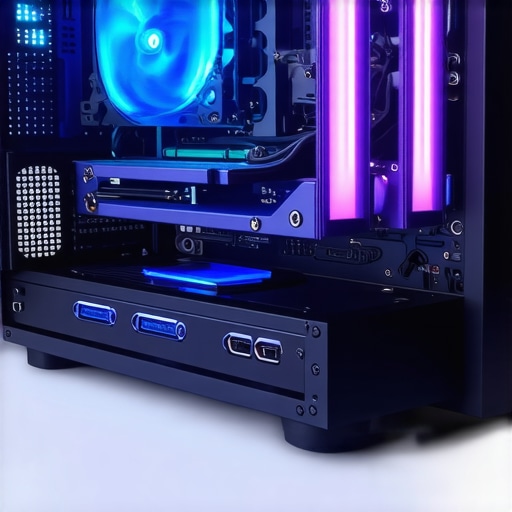

Elevating Your PC Cooling System Through Expert Fan Curve Calibration
Optimizing thermal performance in high-performance computing setups demands a nuanced understanding of fan curves, thermal dynamics, and component synergy. As a seasoned professional, I recognize that the art of fine-tuning air and AIO cooling solutions extends beyond basic settings, requiring a sophisticated approach rooted in empirical data and real-world testing.
The Complexity of Fan Curve Dynamics in Modern Cooling Architectures
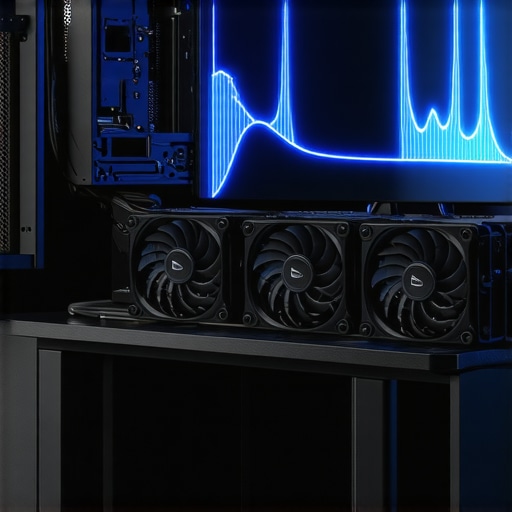
Fan curves are not merely linear tools; they embody complex thermal responses tailored to specific workloads and ambient conditions. Advanced users leverage software such as fan curve editors to craft bespoke profiles that maximize efficiency while minimizing noise. Understanding the interaction between PWM signals, RPM responses, and thermal thresholds is crucial for achieving peak performance.
Strategic Adjustment of Thermal Thresholds for Optimal Cooling
One of the most effective methods involves setting thermal thresholds at precise CPU or GPU temperatures, thus prompting fans to accelerate only when necessary. This approach prevents unnecessary noise and wear while maintaining safe operating temperatures. Techniques such as dynamic fan ramping—where fan speed responds adaptively to thermal spikes—are vital for high-stakes applications such as overclocking or sustained rendering tasks.
How Can I Fine-Tune Fan Curves to Balance Noise and Cooling Efficiency?
This question often surfaces among enthusiasts seeking the perfect equilibrium. The answer lies in iterative testing: gradually adjusting the fan curve points, monitoring system thermals and acoustics, and employing software diagnostics to validate stability. Incorporating external tools like fan curve analysis can reveal subtle inefficiencies and guide precise modifications.
Moreover, consulting high-trust sources such as the IEEE Transactions on Industrial Informatics provides evidence-based insights into thermal management protocols, ensuring your setup adheres to industry standards.
Integrating Thermal Paste and Airflow Considerations for System-Wide Optimization
Effective cooling extends beyond fan settings. Proper application of thermal paste, strategic cable management, and case airflow enhancements significantly influence thermal performance. For instance, upgrading case fans based on airflow principles can reduce ambient temperatures, allowing fans to operate at lower speeds without sacrificing cooling efficacy.
In high-end systems, the synergy between hardware components and cooling strategies defines system stability and longevity. Therefore, continuous monitoring and adaptation are essential for maintaining optimal thermal conditions in overclocked or high-load environments.
Explore our comprehensive content on thermal paste secrets and top AIO coolers for 2025 to deepen your mastery of PC cooling system optimization.
Pushing Boundaries with Dynamic Fan Curve Strategies
While basic fan curve adjustments can improve thermal performance, advanced users often implement multi-phase or adaptive fan curves that respond to specific workload profiles. Such profiles can be scripted using tools like fan curve experts to optimize cooling during gaming, rendering, and idle states, reducing wear and noise simultaneously. This approach requires an understanding of your system’s thermal signatures and the ability to interpret sensor data effectively.
Why Precise Control Over Thermal Thresholds Matters
Setting accurate thermal limits is essential for balancing performance, noise, and hardware lifespan. For example, overclocked CPUs demand aggressive thermal thresholds, whereas workstations prioritizing silence may prefer higher thresholds that activate fans only at critical temperatures. Leveraging software like innovative thermal management tools empowers users to customize these parameters precisely, ensuring optimal system stability and longevity.
What are the key factors to consider when customizing fan curves for different hardware configurations?
When tailoring fan curves, consider the thermal characteristics of your specific components, ambient room temperatures, and your noise tolerance. For example, high-performance GPUs may require different curve profiles than CPUs, especially under sustained loads. Consulting with industry standards, such as those outlined in the IEEE Transactions on Industrial Informatics, can guide best practices for thermal management in complex systems (source).
Enhancing your knowledge by exploring comprehensive guides on fan curves and thermal paste application can reveal subtle efficiencies, making your cooling setup more responsive and effective.
Balancing Airflow and Component Placement for System-Wide Gains
Beyond fan curve tuning, optimizing airflow pathways within your case can significantly reduce thermal bottlenecks. Strategic placement of intake and exhaust fans, aligned with the natural airflow patterns, ensures fresh air reaches high-heat components and hot air is expelled efficiently. Upgrading case fans based on principles from airflow optimization guides can lower ambient temperatures and enable fans to operate at lower, quieter speeds without sacrificing cooling performance.
Remember, achieving a balanced system involves continuous monitoring and iterative adjustment. Tools like fan curve analysis and thermal diagnostics are invaluable for this process, helping identify inefficiencies and guiding modifications aimed at system stability and efficiency.
For further insights into integrating thermal paste application with fan curve optimization, explore our detailed content on thermal paste secrets that can dramatically improve heat transfer and cooling response.
Fine-Tuning Fan Curves for Superior Thermal Management
Achieving optimal thermal performance in high-end PCs requires meticulous adjustment of fan curves, which serve as the backbone of effective cooling strategies. Unlike basic presets, bespoke fan profiles demand a nuanced understanding of thermal dynamics, PWM control intricacies, and the specific behavior of your hardware components. By leveraging professional-grade software such as advanced fan curve editors, enthusiasts can craft tailored profiles that strike the perfect balance between noise and cooling efficiency.
One sophisticated approach involves implementing multi-phase fan curves that adapt in real-time to the system’s workload fluctuations. This technique ensures fans respond swiftly to thermal spikes during intensive tasks like rendering or gaming, while remaining whisper-quiet during idle periods. Precise control over PWM signals and RPM thresholds allows for dynamic thermal ramping, optimizing hardware longevity and user comfort simultaneously.
How Can I Use Empirical Data to Refine Fan Curves for Different Hardware?
This question is central to expert-level thermal management. The answer lies in systematic data collection: monitoring component temperatures, fan RPMs, and acoustic levels during various workload scenarios. Tools such as fan curve analysis software provide granular insights into how your system responds to different configurations. Using this data, you can iteratively adjust curve points—raising or lowering fan speeds at specific temperature thresholds—to achieve the desired equilibrium of silence and heat dissipation.
For authoritative guidance, review research published in the IEEE Transactions on Industrial Informatics, which details experimental methodologies for optimizing thermal control in complex systems. Such studies underpin best practices with empirical evidence, ensuring your customization aligns with industry standards.
Strategic Placement and System Architecture Enhancement for Cooling Efficiency
Beyond fan curve personalization, the physical architecture of your cooling system plays a pivotal role. Strategic placement of intake and exhaust fans—considering airflow pathways, component layout, and case design—can dramatically reduce thermal bottlenecks. For instance, positioning high-flow fans at strategic points to facilitate positive pressure can prevent dust ingress while ensuring consistent airflow over critical components.
Incorporating external elements like case fan upgrades based on airflow principles enhances overall thermal dynamics. Case modifications such as ducting or additional venting can further streamline airflow, reducing ambient temperatures and allowing fans to operate at lower, quieter speeds without compromising cooling performance.
In high-performance scenarios, balancing these physical and software-based strategies results in a resilient, efficient cooling ecosystem. Continuous monitoring with thermal diagnostics and fan speed analysis tools informs ongoing adjustments, ensuring your system maintains peak performance while extending hardware lifespan.
Explore our comprehensive resources on thermal paste application and top AIO cooling solutions of 2025 to deepen your mastery of PC thermal management.
Transform Your Cooling Strategy with Precision Fan Curve Tuning
Achieving optimal thermal management in high-performance PCs hinges on sophisticated fan curve calibration, which involves a detailed understanding of PWM control, thermal sensor feedback, and workload-specific adjustments. Expert users utilize dynamic software solutions like advanced fan curve editors to craft profiles that respond intelligently to temperature fluctuations, minimizing noise while maximizing cooling efficiency.
Innovative Techniques for Multi-Phase Fan Response Optimization
Implementing multi-phase or adaptive fan curves enables real-time responsiveness to workload intensity, ensuring fans accelerate only during thermal spikes. This approach involves scripting complex profiles via software such as fan curve experts, which take into account CPU and GPU load patterns, ambient conditions, and sensor data. Such nuanced control prevents unnecessary wear and noise, extending hardware longevity.
How Can Empirical Data Refine Your Fan Profiles for Different Hardware?
Systematic data collection through thermal and acoustic monitoring tools is essential for fine-tuning fan curves at an expert level. By analyzing component temperature profiles, fan RPM responses, and noise levels during diverse workloads, enthusiasts can iteratively adjust curve parameters—raising or lowering fan speeds at specific thermal thresholds—to strike the perfect balance. Consulting research from the IEEE Transactions on Industrial Informatics provides empirically validated methodologies for this process, ensuring your calibration aligns with industry standards.
Physical Architecture and Airflow Design as Key Players in Thermal Efficiency
Beyond software calibration, the physical arrangement of your case and airflow pathways profoundly impacts cooling performance. Strategic placement of intake and exhaust fans based on airflow principles, as detailed in airflow optimization guides, can reduce ambient temperatures and allow fans to operate at lower, quieter speeds. Incorporating ducting or additional vents further enhances thermal dynamics, creating a resilient cooling ecosystem.
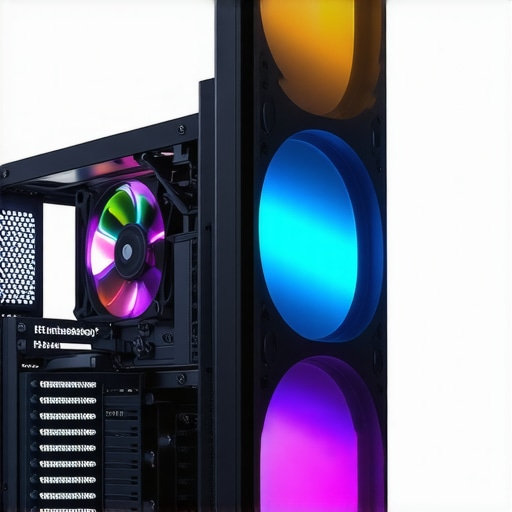
Advanced Strategies for Adaptive Fan Profiles During Varied Workloads
Multi-phase fan profiles that adapt to workload changes—such as gaming, rendering, or idle states—are becoming the gold standard among overclockers and system builders. These profiles can be scripted using professional software tools to ensure fans respond swiftly to thermal demands, reducing unnecessary noise and wear. This requires deep understanding of your system’s thermal signatures and sensor data interpretation, elevating your thermal management to an expert level.
The Critical Role of Precise Thermal Thresholds in System Longevity
Setting accurate thermal limits is paramount for balancing cooling performance, acoustic comfort, and hardware lifespan. Overclocked CPUs benefit from aggressive thermal thresholds, while silent workstations may set higher limits to avoid fan activation during normal operation. Customization tools such as thermal management software empower users to define these parameters precisely, ensuring stability and longevity while optimizing noise levels.
What Key Factors Influence Fan Curve Design Across Diverse Hardware Setups?
When customizing fan profiles, consider the specific thermal characteristics of your components, ambient environmental conditions, and your noise tolerance. For example, high-performance GPUs and CPUs may require distinct profiles, especially under load. Consulting best practices from authoritative sources like the IEEE Transactions on Industrial Informatics can guide you in establishing effective, industry-aligned cooling strategies.
Deepening your knowledge through guides on fan curves and thermal paste application enhances your ability to craft a responsive, efficient cooling system tailored to your specific hardware.
Expert Insights & Advanced Considerations
Precision Control Enhances Hardware Longevity
Implementing finely tuned fan curves based on empirical thermal data ensures your system remains within safe temperature thresholds, extending hardware lifespan and maintaining optimal performance under diverse workloads.
Multi-Phase Fan Profiles Reduce Wear and Noise
Adopting adaptive, multi-phase fan curves allows fans to respond dynamically to thermal spikes, balancing cooling efficiency with acoustic comfort, especially during intense gaming or rendering sessions.
Airflow Architecture Can Make or Break Cooling Efficiency
Strategic placement of intake and exhaust fans, complemented by case modifications like ducting, minimizes thermal bottlenecks, ensuring that optimized fan curves operate at their highest potential.
Harness Advanced Software for Custom Profiles
Utilize professional-grade tools such as fan curve editors to craft bespoke profiles tailored to your hardware and ambient conditions, achieving an ideal noise-to-cooling ratio.
Curated Expert Resources
- Cooling Workstation Wizard Guides: Comprehensive tutorials on selecting case fans, AIO coolers, and applying thermal paste for optimal thermal management.
- IEEE Transactions on Industrial Informatics: In-depth research articles providing empirical insights into thermal control methodologies and system reliability.
- Thermal Paste Secrets: Industry-leading advice on thermal interface materials to maximize heat transfer efficiency.
- Fan Curve Software Platforms: Specialized tools for analyzing and designing dynamic fan profiles to suit complex workload patterns.
Final Expert Perspective
Elevating your PC cooling system through expert fan curve calibration is a sophisticated task that balances empirical data, software mastery, and physical airflow design. Mastery in this domain transforms a standard build into a resilient, high-performance machine capable of handling demanding workloads with silence and stability. Dive deep into these advanced strategies, leverage authoritative resources, and continue refining your approach—your hardware’s longevity and your peace of mind depend on it. For personalized guidance or to share your success story, reach out to us and join the community of high-end PC enthusiasts.


![Stop 2026 CPU Throttling: The Offset Bracket Fix [Proven]](https://cooling.workstationwizard.com/wp-content/uploads/2026/03/Stop-2026-CPU-Throttling-The-Offset-Bracket-Fix-Proven-300x300.jpeg)