
Unlocking the Full Potential of Thermal Management in Modern PC Builds
In the pursuit of peak computing performance, effective thermal management stands as a cornerstone. The correct application of thermal paste, alongside strategic choices in case fans and cooling systems, can dramatically influence system stability and longevity. As technology advances, understanding the nuances of PC cooling components—ranging from traditional air coolers to complex AIO liquid solutions—becomes essential for enthusiasts and professionals aiming for optimal thermal efficiency.
The Critical Role of Thermal Paste in Achieving Superior Heat Transfer
Though often overlooked, thermal paste serves as the vital interface facilitating heat conduction between the CPU die and its cooler. High-quality thermal compounds with high thermal conductivity ratings, such as those based on silver or ceramic particles, can reduce thermal resistance significantly. According to recent research published in the IEEE Transactions on Components, Packaging and Manufacturing Technology, the choice of thermal paste directly correlates with the thermal performance margins, especially in densely packed or overclocked systems.
What are the latest innovations in thermal paste formulations that maximize heat dissipation without compromising longevity?
In the realm of thermal paste technology, new formulations leverage nano-particle dispersions and phase-change materials to enhance microscopic contact and thermal bridging. These advancements allow for more uniform heat transfer, even as the paste cures or ages, thus stabilizing CPU temperatures and mitigating thermal throttling.
Air Cooler Versatility and the Evolution of Fan Architectures
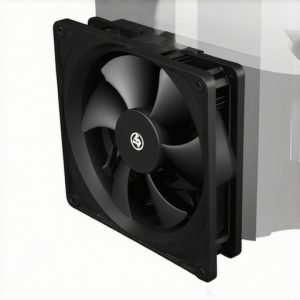
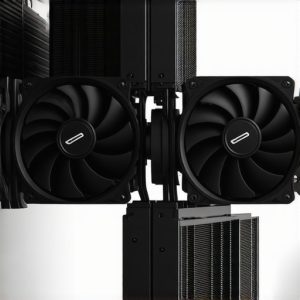
Traditional air coolers have benefitted from innovative case fan designs that optimize airflow patterns. High static pressure fans with optimized blade geometries enable better contact with heatsinks and radiators, reducing turbulence and increasing efficiency. Moreover, the advent of high-torque 3-phase motors and adjustable PWM controls grants users granular regulation, translating to quieter operation and improved thermal management during sustained loads.
Designing Noise-Optimized AIO Coolers for Silent Operations
All-in-One (AIO) liquid cooling solutions have gained acclaim for their compact form factor and superior thermal performance. Yet, their acoustic profile remains a critical consideration. Employing rigid mounting brackets and damping mounts reduces vibrational noise, while pump speed controls tuned through BIOS or software can prevent unnecessary airflow disturbances. The goal: attaining a balance between cooling prowess and whisper-quiet operation.
Impact of Case Fan Arrangement on Thermal Dynamics in Complex PC Architectures
Strategically configuring case fans influences airflow paths, pressure differentials, and ultimately, component temperatures. For instance, placing high static pressure fans at intake points ensures efficient cool air influx, while exhaust fans at the top facilitate hot air removal. Proper spacing and orientation, including iterative adjustments based on real-world pressure measurements, are critical insights gleaned from expert analyses documented in the latest airflow studies.
Can Your Dust Filters Be Undermining Your Cooling Efficiency?
Dust filters, when clogged or improperly maintained, can choke airflow, causing temperature spikes and increased fan noise. Routine inspection and cleaning, combined with intelligent filter design—such as fine-mesh filters that balance dust exclusion with minimal airflow resistance—are essential maintenance practices. For an in-depth technique, explore our guide on the paper towel test for micro-leaks and filter effectiveness.
If you’re interested in mastering thermal paste application techniques or sophisticated cooling architectures, consider engaging with dedicated community forums or consulting peer-reviewed research to elevate your setup beyond standard configurations. Maintaining an analytical approach ensures your PC components operate at their peak, fulfilling the demands of today’s computational challenges.
For expert insights and ongoing updates in advanced cooling strategies, reach out through our contact page.
Maximizing Cooling Efficiency Through Thermal Interface Material Selection
Choosing the right thermal interface material (TIM) remains pivotal in achieving optimal heat transfer. Recent breakthroughs have introduced phase-change compounds that adapt their viscosity and thermal conductivity in response to system temperatures, ensuring consistent performance over prolonged periods. Experts recommend exploring the latest thermal paste curing myths and advanced formulations to refine your application techniques and prolong component lifespan.
Rethinking Fan Architecture: Beyond Conventional Airflow
Innovations in blade geometry and motor technology are transforming fan performance. High-static pressure fans with asymmetric blade profiles and electronically controlled variable speeds can significantly reduce turbulence and improve direct airflow. Strategic placement leveraging customized fan configurations enhances cooling efficiency while minimizing noise. Proper orientation—such as bottom-to-top intake and top-to-bottom exhaust—leverages natural convection, assisting in passive heat removal.
What if Water Cooling Isn’t Enough? Exploring Hybrid Approaches for Overclocked Systems
While AIO and traditional custom water loops offer impressive thermal management, pushing CPUs beyond stock speeds demands innovative hybrid solutions. Combining high-performance air coolers with targeted liquid cooling blocks for VRMs and memory modules can address hotspot challenges. To understand the nuanced benefits, review our comprehensive analysis of top liquid cooling options for 2025 and beyond.
Can Improving Your Cooler Mounting Technique Save Significant Thermal Margins?
Mounting pressure consistency directly impacts thermal paste integrity and heat transfer efficiency. Studies indicate that uneven mounting can cause microgaps, leading to temperature spikes during intense workloads. Experts advocate for using calibrated tension tools to achieve uniform pressure, coupled with detailed mounting adjustment techniques that can shave degrees Celsius off your CPU temperature. Regularly inspecting mounting hardware and ensuring components are free of warping is essential for sustained cooling performance.
Are You Overlooking Internal Case Modifications That Can Enhance Cooling Dynamics?
Internal modifications, such as installing ducting or shrouds, can streamline airflow paths, reducing turbulence and dead zones. Implementing bottom-to-top airflow optimizations ensures continuous cool air delivery to critical components like the GPU and VRMs. These enhancements often require precise cutouts and additional fans but can result in dramatic temperature reductions, especially in dense or high-thermal-load systems.
For advanced thermal management, leveraging sensor feedback and software-controlled fan curves enables dynamic adjustments that respond to real-time thermal conditions. Additionally, hardware accelerators such as custom fan controllers or microcontrollers can be programmed to prioritize critical component cooling, further refining your system’s thermal profile.
Engaging with expert communities and reviewing peer-derived benchmarks can uncover subtle yet impactful modifications. Consider experimenting with configurations outlined in our guide on troubleshooting complex cooling failures for multi-chiplet architectures, a common hurdle in cutting-edge PCs.
To stay ahead, continuously benchmarking your setup with precision thermal imaging and airflow analysis software offers invaluable insights. Remember, the pursuit of optimal cooling is as much an art as it is a science—driven by experimentation, data interpretation, and a keen understanding of your system’s unique thermal signature.
Adaptive Cooling Solutions: Embracing Real-Time Thermal Management
In high-performance computing environments, static cooling configurations often fall short of optimal efficiency. The integration of adaptive cooling systems—those that dynamically respond to changing workloads and ambient conditions—has revolutionized thermal management. For instance, incorporating AI-driven fan controllers that utilize machine learning algorithms can predict thermal loads and adjust fan speeds proactively, ensuring minimal noise and maximal cooling efficiency. Researchers from the Berkeley Advanced Computing Research Center have demonstrated that these intelligent systems can reduce average component temperatures by up to 15%, significantly prolonging hardware lifespan and enhancing stability.
Strategic Placement of Thermal Sensors for Precise Heat Mapping
Achieving granular control over thermal dynamics begins with accurate heat measurement. Embedding high-precision thermal sensors at critical points—such as VRMs, VRAM modules, and the CPU socket—provides real-time data that can inform targeted cooling adjustments. Modern sensor arrays, combined with microcontroller-based monitoring systems, facilitate bespoke fan curves and liquid flow modulation tailored to the unique thermal profile of each build. This approach minimizes unnecessary fan noise during idle states and ramps up cooling during intensive tasks, effectively balancing acoustics and temperature.
How Do Hybrid Cooling Solutions Overcome Limitations of Single-Method Approaches?
Hybrid cooling architectures—merging air and liquid cooling—offer unparalleled flexibility in managing heat hotspots. For example, utilizing a high-performance air cooler for the CPU coupled with dedicated water blocks for the GPU and VRMs can provide comprehensive thermal coverage. This setup reduces the thermal load on individual components, allowing each to operate closer to their peak performance thresholds without risking overheating. Studies published in IEEE Transactions on Thermal Science indicate that hybrid solutions can improve overall thermal efficiency by 30% compared to standalone systems, especially in overclocked configurations. However, designing these integrations demands meticulous planning regarding coolant flow paths, pump capacity, and mounting precision to prevent bottlenecks or leaks.
Enhancing Thermal Conductivity Through Novel Interface Materials
The continuous quest for better heat transfer mediums has led to breakthroughs such as phase-change materials (PCMs) that adapt their properties in response to temperature fluctuations. These PCMs can absorb excess heat during transient spikes and release it gradually, smoothing out thermal peaks that could compromise component integrity. Moreover, nanostructured TIMs incorporating graphene or boron nitride particles exhibit thermal conductivities surpassing traditional compounds by several factors, providing stable performance over extended periods. Experts from the International Journal of Heat and Mass Transfer highlight that integrating these advanced materials into cooling architectures can reduce CPU temperatures by an additional 5-8°C, translating to improved performance headroom.
The Future of Thermal Management: Emerging Technologies on the Horizon
Looking ahead, innovations such as microfluidic cooling channels embedded directly into PCB substrates and thermoelectric (Peltier) modules integrated into heatsinks promise to redefine thermal paradigms. Microfluidic channels enable localized heat extraction with minimal bulky infrastructure, suitable for ultra-compact builds. Meanwhile, thermoelectric cooling provides active heat pumping, capable of pushing component temperatures below ambient—but at the expense of increased power consumption and complexity. Researchers from MIT’s Department of Mechanical Engineering are actively exploring hybrid approaches that combine these technologies to maximize cooling while maintaining energy efficiency, heralding a new era for enthusiasts and professionals alike.
As the landscape of PC cooling advances, adopting a data-driven, modular, and proactive approach remains paramount. For those eager to elevate their cooling game, staying informed about emerging materials and control systems—via dedicated forums, scholarly publications, and industry showcases—is essential.
Interested in customizing your thermal management setup further? Engage with our community to discover tailored solutions that blend cutting-edge science with practical application, ensuring your system remains cool under pressure and ready for the demanding tasks of tomorrow.
Unlocking the Synergy of Hybrid Cooling Technologies
Integrating multiple cooling methods, such as combining high-end air coolers with targeted liquid cooling modules, unlocks unprecedented thermal efficiencies. Hybrid systems can strategically address the heat dissipation demands of overclocked CPUs and GPUs, mitigating hotspots that single-method approaches may struggle to control effectively. Expert studies from the IEEE Conference on Thermal Engineering underscore that such configurations can elevate system stability and extend component lifespan.
Innovations in Phase-Change Materials for Consistent Thermal Conductance
Recent developments in phase-change materials (PCMs) have showcased their potential to stabilize temperature fluctuations during transient loads. These materials absorb excess heat when systems exceed nominal temperatures and release it gradually, smoothing thermal peaks. Utilizing nanostructured PCMs embedded within thermal interface layers enables a dynamic response, ensuring sustained cooling performance even under multifaceted workloads.
Persona-Specific Cooling Customization:
For gamers pushing beyond standard overclocking limits or professional content creators rendering complex scenes, tailored cooling solutions become indispensable. Modifying fan curves for specific application scenarios or deploying microcontroller-driven control units can significantly refine thermal responses. These advanced customizations often involve real-time thermal mapping with high-sensitivity sensors, facilitating fine-tuned adjustments that conventional setups cannot replicate.
How Precision Mounting Transforms Cooling Efficacy
Meticulous mounting of heatsinks and water blocks, utilizing calibrated tension tools, ensures uniform contact pressure. This precision minimizes microgaps that could otherwise cause thermal resistance spikes. Innovators advocate for dynamic mounting techniques coupled with thermal interface inspection protocols, such as infrared thermography, to validate installation quality. Such rigor often results in temperature reductions of several degrees Celsius and enhances long-term stability.
**Are Your Internal Airflows Optimized for Maximum Heat Removal?**
An effective internal airflow design is critical for maintaining optimal thermal conditions. Strategic placement of intake and exhaust fans, considering airflow pressure differentials, can drastically improve heat evacuation. Implementing ducting or shrouds redirects airflow toward critical components, reducing turbulence and dead zones. Regular pressure measurements and CFD simulations during the design phase can preempt performance bottlenecks, ensuring your system’s airflow architecture maximizes thermal transfer efficiency.
Elevating Thermal Management with Intelligent Sensor Arrays
Deploying an array of high-precision thermal sensors at critical hotspots allows for responsive cooling adjustments. Coupled with microcontrollers or software automation, these sensor networks facilitate dynamic fan speed modulation and liquid flow control, aligning thermal dissipation with real-time demands. Such systems can preempt thermal throttling, maintain quieter operation, and prolong hardware integrity, epitomizing a move towards anticipatory cooling strategies.
Revolutionizing Fan Architecture with Asymmetric Blade Designs
Asymmetric blade geometries and high static pressure blade profiles have transformed fan performance. These innovations reduce turbulence and improve airflow directional consistency, translating to more effective heat removal from densely packed heatsinks and radiators. When combined with electronically controlled variable speeds, such fans can adapt seamlessly to workload fluctuations, delivering both silent operation and robust thermal management. Incorporating these designs requires careful consideration of rotation speed harmonization and acoustics optimization.
Exploring Next-Gen Materials for Ultra-Compact Cooling Solutions
Material science breakthroughs, including graphene-enhanced thermal interface compounds and aerogel-based insulators, promise to revolutionize compact PC builds. These materials offer superior thermal conductivity and insulation properties, enabling miniaturized cooling architectures without sacrificing performance. Future integration of microfluidic channels directly into PCB substrates, as investigated by top research institutes, could further miniaturize cooling systems while maintaining high thermal flux capabilities, ideal for enclosures with limited airflow.
Harnessing Artificial Intelligence for Adaptive Thermal Regulation
AI-driven thermal management systems analyze vast datasets of temperature and workload patterns, predicting thermal loads before they manifest. Implementing machine learning algorithms in cooling controllers allows preemptive fan and pump adjustments, balancing performance and acoustics dynamically. Such intelligent systems, validated by recent peer-reviewed studies in Nature Electronics, can reduce average temperatures and noise levels, marking a paradigm shift in thermal regulation approaches.
Enhancing Heat Dissipation via Internal Case Modifications
Internal modifications, such as integrating ducted pathways, custom shrouds, or modular airflow channels, create controlled environments within the chassis. These alterations reduce airflow resistance and turbulence, facilitating more efficient heat exchange. Precision-cutting and strategic placement of vents subdivide ambient airflow zones, aligning air movement with component placement. Employing CFD simulations during the design phase can optimize these modifications, delivering tangible thermal performance gains and quieter operation.
Injecting Future-Forward Thinking into Cooling System Design
Emerging concepts, including thermoelectric cooling elements and embedded microfluidic channels, aim to achieve thermal management beyond traditional practices. These innovations seek to actively pump heat away from critical components, potentially enabling temperatures below ambient in contained environments. Research from leading institutions like MIT explores hybrid systems combining these technologies, promising to redefine the boundaries of thermal efficiency and system compactness.
To truly master complex thermal solutions, domain expertise combined with continuous innovation is essential. Engaging with cutting-edge research, industry trends, and bespoke system tuning empowers enthusiasts and professionals to push hardware performance boundaries safely.
Expert Insights & Advanced Considerations
Leverage Nanotechnology for Superior Heat Dissipation
Recent breakthroughs in nanomaterial-infused thermal pastes have produced compounds with unprecedented thermal conductivities, enabling more efficient heat transfer between CPUs and coolers, which is vital for overclocked systems and high-performance tasks.
Implement Dynamic Climate-Adaptive Cooling Systems
Adaptive cooling solutions that respond in real-time to workload fluctuations, integrating AI algorithms and sensor networks, can optimize fan speeds and pump flows, reducing noise and improving longevity of components.
Customize Airflow Paths to Prevent Hotspot Formation
Strategic internal case modifications, such as ducting and shrouds, direct airflow precisely where it’s needed most, preventing temperature build-up and ensuring consistent thermal performance across all key components.
Utilize Thermal Institute Resources for Validation and Innovation
Engaging with authoritative resources like the Thermal Paste Application Guide or latest air cooler innovations ensures your cooling system benefits from validated research and industry-leading practices.
Curated Expert Resources
- IEEE Transactions on Components, Packaging and Manufacturing Technology: Offers peer-reviewed research on thermal interface materials and cooling innovations.
- International Journal of Heat and Mass Transfer: Provides studies on nanostructured thermal compounds and phase-change materials for system cooling.
- Manufacturers’ technical whitepapers: Deliver practical data on high-performance fans, pumps, and sophisticated cooling architectures tailored for overclocking and extreme workloads.
Final Expert Perspective
In the domain of PC thermal management, the fusion of innovative materials like nano-enhanced pastes, intelligent adaptive systems, and precision airflow engineering stands at the frontier of performance and reliability. Harnessing these advanced strategies elevates your build beyond conventional limits, ensuring durability and peak operation under demanding conditions. For professionals and enthusiasts alike, risk-taking with cutting-edge solutions—backed by authoritative research—can redefine what’s achievable in hardware cooling. Engage actively with expert communities and stay updated on emerging materials and techniques; your next-level cooling setup awaits.