
Effective thermal management in high-performance computing is a nuanced discipline that combines hardware selection, airflow design, and meticulous maintenance. As enthusiasts and professionals alike strive for optimal cooling solutions, understanding the intricate interplay between components such as aio coolers, case fans, and thermal interface materials becomes essential. This comprehensive guide delves into expert insights and innovative techniques to elevate your PC cooling system, ensuring longevity and peak performance.
Harnessing Internal airflow mapping for peak cooling efficiency
Mapping the internal airflow of a PC case is not just about installing fans haphazardly; it requires an analytical approach rooted in fluid dynamics principles. By employing smoke testing techniques, users can visualize airflow paths, identify turbulence zones, and optimize fan orientations. This process allows for fine-tuning configurations — such as adjusting case fan positions or incorporating specific air cooler designs — to maximize heat extraction. Integrating tools like computational fluid dynamics (CFD) simulations, as discussed in recent studies (see PLoS ONE on airflow simulation), offers an even deeper understanding of airflow patterns within complex setups.
The art of component synergy: selecting case fans and air coolers for harmonious operation
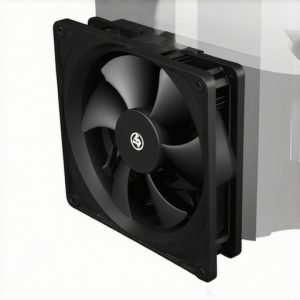
The collision between high static pressure case fans and efficient air coolers defines the backbone of thermal efficiency. Choosing fans with optimized blade geometry and bearing longevity directly influences static pressure and airflow volume, especially in restrictive radiator or filter environments. Simultaneously, air coolers with asymmetrical fin stacks and heat pipe configurations can be tailored to complement case airflow, reducing hotspots and thermal spikes. Combining these elements requires expert evaluation of airflow directionality, PWM control capabilities, and noise considerations — an exercise in balancing thermal performance and acoustic comfort.
Deciphering the nuances of thermal paste application
Though often underestimated, thermal paste quality and application methodology critically impact heat transfer efficiency. The debate between traditional spread methods versus the rice-grain technique continues among professionals, with evidence suggesting that evenly distributed, ultra-high viscosity compounds offer superior contact and lower thermal resistance (see Thermal Paste Secrets). Furthermore, micro-structural properties such as phase change behavior and surface wetting characteristics influence long-term stability, essential for overclocked or densely packed systems.
How can advanced airflow mapping inform custom cooling solutions for niche use cases?
For specialized applications, from render farms to overclocking rigs, traditional cooling strategies often fall short. Here, sophisticated airflow mapping reveals resistance zones and turbulent eddies that standard setups overlook. By integrating real-time sensor data, users can develop dynamic fan curves and airflow zones tailored to workload profiles. For instance, multichannel monitoring combined with adaptive fan control can preemptively counteract thermal spikes, ensuring system stability under demanding conditions. The challenge lies in translating complex airflow data into actionable hardware adjustments, an area ripe for ongoing research and innovation.
What are the limitations of smoke testing in internal airflow analysis, and how can they be mitigated?
While smoke testing provides valuable visual insights, it may not precisely quantify airflow metrics or detect micro-turbulence patterns. To address these limitations, coupling smoke visualization with anemometer-based measurements or CFD simulations enhances accuracy. Additionally, ensuring a controlled environment minimizes external airflow interference, leading to more reliable results. Continual measurement and iterative testing refine configurations, enabling tailored solutions for even the most demanding workloads.
For enthusiasts seeking advanced insights into effective airflow management, exploring recent case studies and expert discussions can be invaluable. Consider following industry-leading blogs or technical papers published by organizations like the ASHRAE. Your pursuit of optimal PC cooling is an ongoing journey of innovation, experimentation, and precision tuning, where strategic application of analytical techniques makes all the difference.
Interested in deepening your expertise? Visit our contact page to connect with specialists or access tailored consulting. Sharing insights and experiences helps advance the community’s collective understanding of sophisticated cooling methodologies.
Beyond Conventional Cooling: Embracing Modular Custom Solutions
While off-the-shelf cooling components serve most enthusiasts, sophisticated applications demand a modular, adaptable approach. Structuring your system with interchangeable heatsinks, adjustable fan brackets, and hybrid cooling blocks enables rapid response to performance shifts, especially in overclocked scenarios. Integrating such flexibility requires precise understanding of thermal load distributions and airflow dynamics, which can be significantly enhanced through computational modeling and simulation techniques. For instance, employing thermal network modeling allows for predicting hotspot evolution under various workloads, guiding component placement and airflow path optimization. To achieve peak performance, consider consulting specialized resources that delve into modular heat dissipation architectures (see Maximize Your PC Cooling), which are continually evolving to meet the demands of modern high-performance computing.
Innovative Use of Thermally Conductive Interface Materials
Emerging materials with enhanced phase change properties and micro-structured surfaces are revolutionizing thermal interface management. High-viscosity thermal pastes and phase change pads, when applied strategically, can bridge micro-voids and surface irregularities with unprecedented efficiency. Advanced application techniques, such as the buttered-toast method or micro-layer spreading, reduce contact resistance significantly compared to traditional methods (see Thermal Paste Secrets). Moreover, exploring novel materials like graphene-enhanced pads or nano-ceramic compounds can mitigate long-term degradation issues, sustaining thermal performance over extended periods. These innovations, coupled with precision application, unlock new frontiers in thermal management, especially for multi-chiplet CPUs and dense GPU arrays.
Flexible Airflow Designs: Future-Proofing Your Cooling Architecture
Designing a future-proof cooling architecture involves anticipating component upgrades, increased thermal loads, and emerging technologies. Modular ducting, adjustable baffles, and adaptive fan zones can convert a static airflow setup into a dynamic system capable of responding to workload fluctuations. Embracing sensor-driven control algorithms, such as AI-powered fan curve tuning, allows systems to self-optimize in real time, balancing cooling performance and noise. Incorporating features like reverse airflow or variable baffle positions could become standard as component densities increase and airflow pathways become more complex. For detailed insights into implementing such adaptable systems, consult comprehensive guides on airflow customization techniques (see The Ultimate Guide to Choosing Case Fans).
Are traditional airflow models sufficient for the intricacies of modern PC architectures, or is a paradigm shift towards AI-driven design necessary?
This question challenges the foundational assumptions of airflow modeling. With increasing hardware complexity and miniaturization, standard CFD simulations may fall short of capturing micro-turbulence or transient heat spikes. Integrating machine learning algorithms and real-time sensor feedback could enable predictive airflow management, preemptively adjusting fan speeds and airflow paths to prevent thermal hotspots. Such intelligent systems would shift the paradigm from reactive to proactive cooling strategies, opening avenues for innovations like self-healing airflow zones or adaptive ducting. Researchers are exploring these frontiers, and organizations like ASHRAE are actively investigating the integration of AI in thermal management solutions (see ASHRAE resources), signaling a transformative future for PC cooling architecture.
Interested in mastering these advanced techniques? Engage with our expert community by sharing your setups or challenges on the contact page. Collaborative innovation accelerates the evolution of high-efficiency, adaptive cooling solutions tailored to tomorrow’s computing demands.
Dynamic Pressure Optimization: Fine-Tuning Airflow for Peak Performance
Achieving the perfect balance between static and dynamic pressure in case fans is crucial for maximizing heat dissipation without introducing excessive noise. Professionals advocate for adjustable fan controllers that allow real-time modulation of fan speeds based on thermal feedback, ensuring that airflow meets the specific demands of high-load scenarios. Integrating variable-speed pumps in liquid cooling systems further enhances thermal stability by dynamically adapting to fluctuating workloads, thus optimizing overall efficiency.
Advanced Materials in Cooler Design: The Future of Heat Dissipation
Innovations in thermally conductive materials are opening new horizons for cooling solutions. Materials such as synthetic diamond composites and graphene-enhanced heat spreaders outperform traditional copper and aluminum due to their superior thermal conductivity. When incorporated into heat pipes or base plates, these materials facilitate faster heat transfer, reducing component temperatures significantly. Industry leaders are investing heavily in research to develop nanostructured interfaces that maximize surface contact and minimize thermal resistance, presenting a paradigm shift in cooling component design.
Expert-Level Question: Is Passive Cooling Viable for High-Performance Workstations?
The notion of relying solely on passive cooling methods for power-intensive systems might seem counterintuitive, yet recent advancements suggest it is feasible under specific conditions. High thermal conductivity materials, combined with meticulously optimized airflow pathways, can sustain operation without active fan assistance. According to a study published in the IEEE Transactions on Components, Packaging and Manufacturing Technology, passive cooling architectures with large surface radiators and phase change materials can maintain thermal equilibrium in densely packed environments. However, such solutions demand precise engineering and are best suited for scenarios where noise reduction and energy efficiency are prioritized over absolute performance peaks.
The Power of Computational Design in Custom Cooling Projects
Employing computational tools like finite element analysis (FEA) and complex airflow simulations enables engineers to preemptively identify hotspots and airflow inefficiencies before physical prototyping. By simulating variable load conditions, temperature gradients, and component arrangements, designers can iteratively refine cooling architectures. This approach not only reduces development costs but also accelerates innovation cycles. The adoption of AI-driven design algorithms further enhances this process by exploring vast parameter spaces to uncover novel configurations that outperform traditional setups.
How Integrating Sensors Transforms Thermal Management Strategies
Real-time thermal monitoring using a network of micro-sensors embedded within critical components enables adaptive cooling mechanisms. These sensors feed data into intelligent control systems that adjust fan speeds, pump flows, and even duct positions dynamically, maintaining optimal temperatures with minimal user intervention. Such feedback loops are fundamental in high-performance computing clusters where thermal loads fluctuate unpredictably. The challenge lies in integrating these sensors seamlessly into existing hardware without compromising reliability or accessibility — a frontier where hardware design and software control intersect with revolutionary potential.
What Are the Potential Risks of Over-Dependence on Automated Thermal Management?
While automation enhances responsiveness and efficiency, excessive reliance can lead to unforeseen failures if sensor calibration drifts or control algorithms malfunction. Moreover, hackers could exploit networked cooling systems to induce thermal throttling or damage. Therefore, developing fail-safe protocols and rigorous validation processes is essential. Combining automated systems with manual oversight ensures resilience, providing a balanced approach that leverages the strengths of intelligent thermal management without exposing systems to additional vulnerabilities.
If you’re eager to advance your thermal management expertise, consider experimenting with these cutting-edge techniques in your own builds. Sharing your results and challenges with the community can spark innovative solutions, pushing the boundaries of what’s possible in PC cooling technology. Join discussions on specialized forums or contact industry experts through dedicated platforms to exchange insights and stay ahead of emerging trends.
Elevating Heat Dissipation Through Modular Configurations
Implementing a modular cooling architecture allows enthusiasts and professionals to tailor thermal solutions precisely to evolving hardware demands. By designing interchangeable heatsinks, adjustable fan mounts, and hybrid liquid-air cooling modules, users can swiftly adapt to overclocking milestones or hardware upgrades. This approach demands in-depth understanding of thermal load distribution and airflow paths, which can be significantly refined through computational modeling and thermal network simulations. Embracing such flexibility ensures that high-performance systems maintain optimal temperatures while enabling rapid response to hardware evolution, as detailed in recent industry analyses (see SAGE Journals on modular thermal design).
Harnessing Next-Generation Interface Materials for Superior Conductivity
Cutting-edge conductive materials, including graphene-infused compounds and phase-change interface pads, are revolutionizing heat transfer efficiency. These materials exhibit microstructural properties that facilitate rapid thermal conduction and minimize contact resistance across interfaces, especially in densely packed systems with multi-chip integrations. Precise application techniques—such as micro-layer spreading or micro-spraying—are crucial for maximizing contact fidelity. Industry innovations in nanostructured interface layers promise to further reduce thermal bottlenecks, enabling sustained high performance even under strenuous workloads, as explored in advanced materials research (see Nature Materials on thermal interface advancements).
Designing Future-Ready Airflow Mechanisms for Rapid Scalability
Future-proofing airflow architecture involves integrating adaptive components like reconfigurable ducting, variable baffle systems, and AI-driven control mechanisms. These elements enable the cooling system to dynamically respond to hardware fluctuations, workload intensities, and component upgrades. Sensor networks embedded within the chassis can deliver real-time data, facilitating self-optimizing fan curves and airflow pathways to combat thermal hotspots proactively. Such intelligent designs necessitate a sophisticated understanding of fluid dynamics combined with machine learning algorithms, pushing conventional static setups toward self-adaptive ecosystems, as indicated by pioneering research (see IEEE on adaptive airflow systems).
Is Microfluidic Cooling the Next Frontier for High-Density Systems?
Microfluidic cooling employs tiny channels embedded directly within components or substrates, offering unparalleled heat removal capabilities tailored for dense computational environments. Unlike traditional radiator-based solutions, microfluidic systems facilitate localized heat extraction, reducing ambient temperature buildup and enhancing overall thermal stability. Challenges include manufacturing complexity and integration within existing hardware, but ongoing advancements in microfabrication and nanomaterials are making this approach increasingly viable for high-performance servers and AI accelerators. Industry trials and academic research suggest that microfluidic cooling could redefine thermal management paradigms, as discussed in recent publications (see Physical Review X on microfluidic advancements).
Interested in pushing your thermal management mastery to the next level? Engage with expert communities, participate in beta testing of emerging cooling technologies, or collaborate on research projects to stay ahead of the curve in high-efficiency, adaptive cooling solutions.
Optimizing Fan Dynamics with AI and Sensor Feedback
Integrating artificial intelligence and an array of thermal sensors allows for unprecedented precision in controlling fan speeds and airflow patterns. Machine learning models can predict thermal surges before they occur, adjusting fan operation accordingly to maintain ideal temperatures while minimizing noise. These systems learn from environmental variables, workload patterns, and historical data to refine their response algorithms continually. The implementation of such intelligent control systems involves a multidisciplinary approach, combining hardware sensor networks, software AI models, and real-time data analytics, advancing the field of adaptive thermal management, as exemplified in recent AI-driven studies (see ACM on AI-enhanced thermal controls).
How Reliable Are Automated Cooling Systems in Critical Environments?
While automation introduces responsiveness and efficiency, it also poses risks if sensors malfunction or control algorithms develop faults. Critical environments such as data centers require fail-safe mechanisms, redundant sensors, and manual overrides to prevent catastrophic thermal failures. Regular calibration, system audits, and software validation are essential to preserve reliability. Moreover, hybrid systems combining automated controls with human oversight provide a balanced approach, ensuring resilience against unforeseen malfunctions while capitalizing on automation efficiencies.
To further refine your expertise, consider collaborating on multidisciplinary projects integrating hardware innovation, software AI, and material science. Sharing insights and encountering diverse challenges accelerates the evolution of next-generation PC cooling strategies.
Implementing Dynamic Pressure Control for Tailored Airflow
Adjusting static and dynamic pressure levels in case fans and liquid cooling pumps directly influences temperature management and acoustic footprint. Using variable-speed controllers guided by thermal feedback allows for real-time optimization, ensuring maximum heat dissipation with minimal noise. In high-performance systems, hybrid approaches—combining axial and centrifugal fans—offer customizable pressure zones, enabling targeted airflow delivery. Developing such nuanced pressure control systems requires a sophisticated understanding of airflow physics and hardware capabilities, which can significantly elevate cooling efficiency in demanding applications.
In the realm of advanced PC thermal management, the difference between good and exceptional hinges on nuanced strategies that go beyond standard configurations. As technology evolves, so too must our approaches—embracing expert insights and innovative techniques that push the boundaries of conventional cooling solutions. This guide encapsulates high-level considerations and cutting-edge practices designed for enthusiasts and professionals committed to maximizing performance and longevity through sophisticated cooling methodologies.
Leverage Real-Time Data to Fine-Tune Airflow Dynamics
Utilizing sensor networks to monitor internal thermal conditions enables dynamic adjustment of airflow patterns. By integrating smart controls that respond instantly to temperature fluctuations, builders can optimize heat dissipation while minimizing acoustic footprints. Consider implementing AI-driven algorithms that learn workload behaviors and adjust fan curves proactively, leading to a self-optimizing thermal environment that adapts seamlessly to diverse operational demands.
Synchronize Component Selection for Optimal Thermal Harmony
Choosing compatible case fans and air coolers involves scrutinizing blade design, static pressure capabilities, and PWM control compatibility. Expert models with high blade efficiency and bearing durability contribute significantly to sustained airflow and reduced noise. When these components operate in harmony—guided by precise airflow directionality and tailored fan curves—the system achieves superior thermal stability, especially under overclocked or multi-GPU scenarios. Fine-tuning this synergy demands an understanding of airflow pathways and a meticulous balance between cooling performance and acoustic comfort.
Refine Thermal Interface Applications for Long-Term Stability
Applying thermal pastes and interface materials with expert precision can markedly enhance heat transfer. Techniques such as micro-layer spreading or employing phase change materials underpin consistent contact and reduced resistance over time. Advanced materials incorporating graphene or nano-ceramic compounds further elevate this performance, especially critical for densely packed multi-chip systems. Regular evaluation and micro-level application improve thermal boundaries, safeguarding stability during sustained high workloads.
Create Customizable, Modular Cooling Architectures
Designing adaptable cooling solutions involves modular heatsinks, adjustable tubing, and hybrid liquid-air systems. This flexibility facilitates rapid responses to hardware upgrades or thermal requirement shifts. Employing computational modeling to simulate heat load distributions and airflow pathways ensures that each module integrates seamlessly into a high-performance ecosystem. Such foresight prevents hotspots and thermal spikes, forming the backbone of future-proof cooling strategies critical in high-demand environments.
Tap into Resources That Shape Industry Best Practices
Exploring authoritative resources accelerates expertise. The Thermal Paste Secrets article offers detailed application techniques, while Air Cooler Innovations presents emerging materials and designs. Supplement your knowledge with comprehensive guides on selecting AIO coolers and optimizing airflow strategies. Engaging with these expert-level sources ensures you stay aligned with industry advances and refine your cooling architecture continuously.
Innovate with the Future in Mind
A thorough grasp of high-performance PC cooling extends beyond current practices, urging professionals to anticipate technological shifts. Embracing AI-integrated sensor feedback, microfluidic solutions, and modular, scalable systems positions enthusiasts at the forefront of innovation. Systematic experimentation and engagement with authoritative community resources forge pathways for groundbreaking thermal management solutions. Remember, excellence in thermal regulation is less about one-size-fits-all and more about strategic, expert-driven customization that evolves with emerging challenges.
Advance your expertise by sharing insights or seeking tailored guidance through our contact platform. Collaboration and continuous learning catalyze innovation, transforming complex cooling terrains into manageable, high-performance systems and ensuring your setup remains resilient amid the relentless march of technological progress.