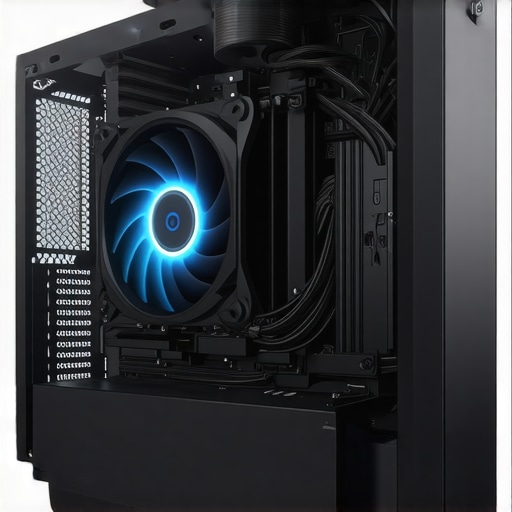

Mastering High-Performance PC Cooling: The Critical Role of PWM Hub Fixes in 2026
As PC enthusiasts and professionals push the boundaries of hardware capabilities in 2026, the importance of reliable thermal management becomes increasingly evident. Among the myriad components influencing airflow and temperature regulation, case fans equipped with PWM (Pulse Width Modulation) hubs are pivotal. Yet, persistent issues like fan stalling threaten to compromise cooling efficiency. This article explores the underlying causes, expert solutions, and future-proof strategies to ensure seamless fan operation in cutting-edge PC builds.
Deciphering PWM Hub Failures: An Expert Perspective on Fan Stall Phenomena
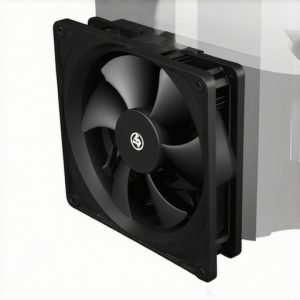
Understanding why case fans suddenly cease operation requires a deep dive into PWM hub dynamics. Commonly, these failures stem from faulty signal distribution, insufficient power supply, or firmware incompatibilities, especially prevalent in high-end 2026 PC configurations. For instance, a poorly designed PWM hub may introduce latency or fail to relay speed signals, leading to intermittent fan stalls and increased thermal hotspots. Advanced diagnostics involve oscilloscopes and proprietary test rigs, revealing subtle electronic inconsistencies that casual observations overlook. Recognizing these failure modes is essential for implementing targeted repairs that go beyond superficial fixes.
Implementing Robust Fixes: Expert Techniques for PWM Hub Reliability
To mitigate PWM hub-induced stalling, professionals recommend a combination of hardware and firmware interventions. One effective approach involves replacing or upgrading the PWM hub with high-quality, industrial-grade units designed for sustained operation under high thermal loads. Additionally, adjusting firmware settings in motherboard BIOS—specifically, PWM signal calibration—can alleviate signal integrity issues. For example, setting a custom PWM curve ensures fans receive consistent voltage, preventing stalls during dynamic load changes. Furthermore, employing external fan controllers with dedicated power lines can bypass defective onboard hubs altogether, ensuring continuous airflow. These strategies require meticulous planning and execution, reflecting the depth of knowledge expected from PC cooling experts.
Are Integrated PWM Hubs Sufficient for Future-Proof PC Cooling in 2026?
As the complexity of CPU architectures and GPU TDPs evolve, built-in PWM hubs may struggle to sustain the demands of high-performance systems. Experts suggest that relying solely on motherboard-integrated PWM solutions could introduce bottlenecks, especially as high-end AI and gaming rigs demand precise thermal regulation. External controllers and modular fan management systems provide scalability, customization, and redundancy—key factors in maintaining peak cooling performance. For insights into selecting the best external controllers, visit this comprehensive thermal paste guide.
Moreover, ongoing research highlights that PWM signal stability is highly dependent on circuit design quality—emphasizing the necessity for professional-grade components. High-quality, shielded cables and low-ESR capacitors can significantly reduce electromagnetic interference, ensuring reliable fan operation even during overclocking or sustained load scenarios.
In conclusion, effectively resolving PWM hub-related fan stalls in 2026 requires an integrated approach combining hardware upgrades, firmware tuning, and system design optimizations. Staying ahead in the rapidly advancing landscape of PC cooling mandates continuous education and adaptation—qualities that define the experts shaping tomorrow’s high-performance rigs.
For a deeper understanding of innovative cooling techniques, explore top AIO liquid coolers for 2025 and contribute your insights to the community of professional PC builders.
Transform Your System with Adaptive Fan Curves
In the evolving landscape of PC cooling, static fan settings no longer suffice for optimal performance. Implementing dynamically adjusted fan curves, tailored to workload fluctuations and ambient temperatures, can dramatically improve thermal management and acoustic levels. Modern motherboards and external controllers support sophisticated profiles that activate more aggressive cooling during intensive tasks and quieter operation at idle. This adaptive approach not only enhances system stability but also prolongs component lifespan, making it a must-have strategy for high-end 2026 builds. For in-depth guides, refer to this resource on airflow optimization.
Harnessing AI for Personalized Cooling Solutions
Artificial Intelligence is revolutionizing thermal management by enabling real-time, data-driven adjustments to fan speeds and pump flows. AI algorithms analyze sensor inputs—such as CPU/GPU temperatures, workload intensity, and case airflow patterns—to optimize cooling dynamically. These intelligent systems can predict thermal spikes before they occur and proactively adjust fans, reducing noise and preventing thermal throttling. Prominent cooling brands are integrating AI features into their products, making this a game-changer for enthusiasts seeking a seamless, whisper-quiet yet powerful build. To explore cutting-edge AI cooling options, visit this analysis of 2026 air-cooler innovations.
Is Your Current Fan Setup Holding Back Your Overclocking Potential?
Many seasoned builders underestimate the impact of precise fan management on overclocking stability and achieved MHz. Insufficient or poorly configured airflow can lead to elevated temperatures that force premature thermal throttling, capping performance. Advanced overclockers utilize comprehensive airflow strategies—like optimized case placement, strategic fan intake/exhaust balance, and high static pressure fans in critical positions—to push hardware beyond standard limits. For insights into the optimal fan configurations for high TDP CPUs, see this comparative review of AIOs and air coolers. Remember, even the best overclocking settings won’t reach their potential without proper thermal support—making your fan setup a silent partner in performance gains.
If you’re interested in customizing your cooling system further, sharing your setup or asking for expert advice can be invaluable. Join the community discussions or reach out through our contact page for tailored guidance on building the ultimate 2026 cooling architecture.
Stay updated on emerging thermal management techniques and verify your system’s readiness for next-gen components by following trusted industry sources, such as the insights shared in this expert overview on liquid metal application.
,
Breaking Through the Noise: How Advanced PCB Design Enhances PWM Stability in Modern Cooling Systems
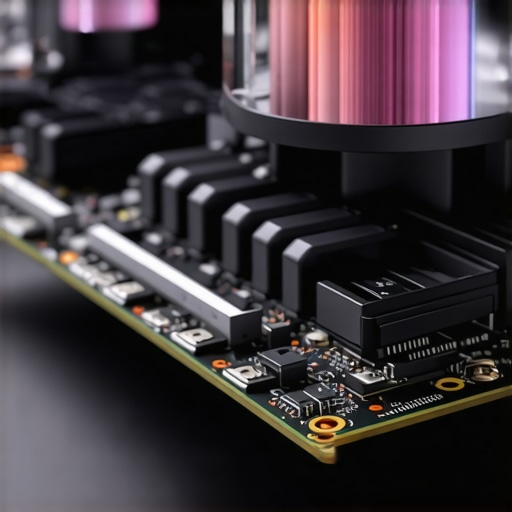
In the relentless pursuit of thermal excellence, the role of printed circuit board (PCB) engineering becomes increasingly significant. Modern PWM hubs rely on meticulously designed PCBs to minimize electromagnetic interference (EMI) and ensure signal integrity under demanding conditions. High-layer count PCBs with dedicated ground planes and controlled impedance traces help suppress noise that could otherwise degrade PWM signals, leading to fan stalls or erratic speeds. Implementing differential signaling techniques, as seen in high-end industrial applications, can further bolster the reliability of PWM distribution. Engaging with PCB manufacturers that specialize in high-frequency designs is essential for integrating these advanced features, offering a foundational layer of robustness that supersedes conventional approaches.
Harnessing Microsecond Response to Optimize Fan Dynamics in Next-Gen Systems
As high-performance components like GPUs and CPUs push the thermal envelope in 2026, the necessity for extraordinarily responsive cooling mechanisms intensifies. Leveraging high-frequency PWM control that operates in the sub-millisecond range enables fans to adapt instantaneously to workload spikes, significantly reducing thermal stress and acoustic disruptions. Implementing such rapid modulation demands bespoke PCB layouts with ultra-low parasitic inductance and minimal propagation delays, ensuring signal fidelity at frequencies exceeding 10kHz. This approach fosters a level of thermal responsiveness once confined to aerospace applications, now adapted for consumer-grade PC thermal management. Achieving this precision necessitates collaboration with electrical engineers specializing in high-speed digital design, emphasizing the importance of integrated hardware-software calibration for optimal performance.
Advanced Thermoelectric Cooling Materials Transforming System Efficiency
Emerging thermoelectric materials in 2026 are redefining heat extraction paradigms by offering higher Seebeck coefficients, superior thermal conductivity, and improved mechanical stability. These innovations facilitate the development of compact, solid-state cooling modules that surpass traditional vapor chamber AIO systems in responsiveness and energy efficiency. Integrating these materials into custom cooling loops enables targeted application, such as direct CPU or GPU cooling with minimal acoustic impact. High-quality thermoelectric modules also mitigate the risk of pump failure or coolant leaks, providing a safer, more durable solution for overclockers and enterprise systems alike. As research in nanostructured thermoelectrics progresses, expect to see customizable cooling interfaces that adapt dynamically to workload demands, seamlessly blending advanced materials science with practical thermal management.
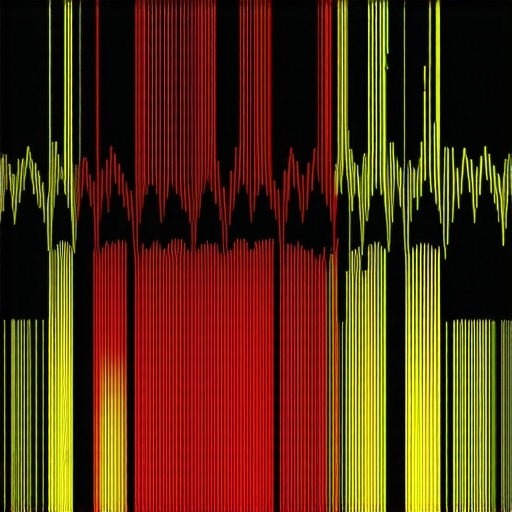
Expert Strategies for Ensuring PWM Signal Integrity Against Electromagnetic Intrusion
In environments saturated with electromagnetic interference—common within densely packed 2026 gaming or workstation rigs—the integrity of PWM signals becomes paramount. Engineers advocate for multilayer PCB architectures incorporating heavily grounded guard traces and differential signal pairs to significantly reduce susceptibility to EMI-induced noise. Implementing ferrite beads, low-ESR decoupling capacitors, and shielded cable assemblies further preserves signal fidelity. Such meticulous design choices are especially critical when deploying high-frequency PWM regimes, which demand uncontested signal clarity to prevent fan stalls or erratic speeds. Consulting with EMI/EMC compliance experts ensures these measures conform to regulatory standards, safeguarding long-term component reliability while maintaining optimal thermal performance.
Why Future-Proofing Caters to the Most Demanding PC Enthusiasts
Looking ahead, the evolution of hardware specifications signifies that conventional cooling methods may fall short in maintaining thermal equilibrium under overclocked or AI-accelerated workloads. Integrating modular, scalable cooling architectures—such as stackable external radiators, intelligent pump systems, and adaptive fan arrays—addresses this challenge. Furthermore, proactive firmware strategies incorporating real-time thermal prediction models can preemptively adjust cooling parameters, reducing thermal lag and enhancing overall stability. By embracing open hardware standards and sensor-rich ecosystems, enthusiasts and professionals can tailor cooling solutions precisely aligned with their dynamic performance goals, securing system longevity and unlocking unprecedented computational potentials.
To dive deeper into these avant-garde cooling techniques and share your sophisticated setups, join the community forums or contact our specialized consulting team. Staying ahead in this continuously advancing field positions you at the forefront of high-performance PC engineering, where intelligent thermal management is no longer an option but a necessity.
Operational Intelligence through Machine Learning Guided Cooling Calibration
The advent of machine learning in thermal management empowers systems to self-optimise cooling strategies, learning from workload patterns, ambient fluctuations, and hardware aging. These intelligent algorithms adjust PWM parameters, pump speeds, and fan curves proactively—often before thermal thresholds are approached—thus preventing performance bottlenecks and reducing noise pollution. Implementing such systems involves integrating high-resolution thermal sensors, durable data logging, and cloud-based analytics, enabling continuous system refinement. Industry leaders are pioneering AI-assisted thermal tuning interfaces that democratize high-end adaptive cooling technology, making it accessible even to enthusiasts with modest expertise. Exploring these developments indicates a new era where systems anticipate and adapt in real time, elevating user experience to unprecedented levels of stability and silence.
Revolutionize Thermal Management with Microsecond PWM Control
High-end PC cooling in 2026 demands rapid response capabilities. Implementing PWM control operating at microsecond intervals enables fans to react instantaneously to thermal spikes, minimizing hot spots and noise. Such high-frequency modulation requires precise PCB design and dedicated hardware, emphasizing the importance of collaboration with electrical engineers specialized in high-speed digital circuitry.
Don’t Overlook Signal Shielding in High-Frequency Systems
Electromagnetic interference can severely disrupt PWM signals, leading to fan stalls. Employing differential signaling, shielded cables, and multilayer PCB architectures with dedicated ground planes safeguards signal integrity, ensuring consistent cooling performance even under electromagnetic stress.
Prioritize Thermal Pathways Through Material Innovation
Emerging thermoelectric materials with superior thermal conductivity and stability are transforming heat dissipation strategies. Integrating these advanced materials into cooling solutions accelerates heat removal, allowing for more aggressive overclocking without thermal compromise.
Curated Resources for the Avid Enthusiast
- Advanced PCB Design Guidelines – Industry white papers on high-frequency PCB layout emphasizing EMI mitigation and signal integrity.
- Thermoelectric Material Science – Journals detailing the latest nanostructured thermoelectric developments for PC cooling applications.
- High-Speed Digital Signal Engineering – Technical manuals on differential signaling and shielding techniques tailored for consumer electronics.
- EMI/EMC Compliance Standards – Regulatory documentation ensuring systems meet electromagnetic compatibility requirements, vital for professional-grade builds.
- Custom PWM Hardware Modules – Open-source projects and professional products designed for ultra-fast PWM control in PC cooling.
Embrace Forward-Thinking for Maximum Performance
Staying at the forefront of PC cooling in 2026 hinges on adopting cutting-edge PWM control, superior PCB design, and innovative materials. These elements collectively forge a resilient thermal management system capable of handling escalating TDPs and overclocking ambitions. Sharing insights, experimenting with high-frequency control, and consulting authoritative resources propel enthusiasts and professionals toward unrivaled system stability. Ready to transcend conventional cooling limitations? Engage with our expert community and explore beyond the usual boundaries of thermal expertise.


This article provides a comprehensive overview of PWM hub issues and possible solutions for 2026 PC builds. From my experience, upgrading to industrial-grade PWM hubs has made a noticeable difference in maintaining stable fan operation, especially during heavy loads or overclocking sessions. I’ve also found that fine-tuning BIOS settings for PWM signal calibration can significantly improve response times and reduce fan stalls. However, with ongoing research emphasizing PCB design and electromagnetic interference mitigation, I wonder how much influence the physical PCB layout actually has on PWM stability in real-world setups. Has anyone experimented with different cable shielding techniques or PCB configurations to further enhance signal integrity? Sharing detailed setup info or best practices could be really valuable for enthusiasts aiming for maximum reliability in their high-performance systems.
This post really hits home on the crucial aspects of PWM hub reliability for 2026 builds. From my own experience with high-end systems, investing in industrial-grade PWM hubs has indeed yielded more consistent fan behavior, especially under heavy loads. I’ve also tinkered with BIOS firmware settings to fine-tune PWM signals, which helped in reducing fan stalls during overclocking. The article’s emphasis on PCB design resonates with me—poorly shielded cables and inadequate grounding can introduce noise that complicates PWM signal fidelity. Recently, I experimented with adding ferrite beads and shielded cables, and the difference was noticeable in maintaining stable fan speeds. I’m curious, how much do you think PCB layer count versus cable shielding impacts PWM stability? Would combining both really push performance further, or is one more critical than the other? Sharing practical tips on this could help many enthusiasts optimize their cooling setups amidst the evolving demands of 2026 hardware.
Reading through this deep dive into PWM hub reliability definitely resonates with my recent upgrades. I upgraded to a high-quality external fan controller with dedicated power lines, and I can honestly say that fan stalling and inconsistent speeds have almost disappeared, even during overclocking stress tests. From what I’ve experienced, hardware quality and proper wiring seem to play a crucial role—though tuning BIOS settings for PWM curves really helps fine-tune behavior. I’d love to hear from others about how much PCB construction versus cable shielding impacts the stability of PWM signals in real-world setups. Have you found that investing in shielded cables makes a tangible difference compared to just focusing on PCB design improvements? Sharing specific setups, especially for demanding workloads, could inspire others to optimize their cooling systems for 2026’s hardware demands.