
Elevating PC Cooling Strategies in 2026: An Expert Perspective on Thermal Management
In the rapidly evolving landscape of PC hardware, optimal cooling remains a cornerstone of system stability and performance. As components become increasingly power-dense, understanding the nuanced interplay between air coolers, case fans, thermal paste application, and liquid cooling solutions is paramount for enthusiasts and professionals alike. This article delves into cutting-edge insights, examining how advanced airflow configurations and thermal interfaces influence thermal efficiency in high-performance systems.
Reevaluating Air Cooler Efficacy in High TDP Environments
The past few years have seen a paradigm shift where traditional air coolers are challenged by the thermal demands of 2026 processors, especially high TDP CPUs. Experts leveraging comprehensive performance analyses reveal that meticulously designed single-tower air coolers equipped with high static pressure fans can outperform certain mid-tier AIOs in sustained load scenarios. The key lies in optimizing fin density and fan curve profiles to match TDP peaks, highlighting that even in complex cooling requirements, strategic air cooling can be both cost-effective and reliable.
Challenging Conventional Wisdom: The Role of Case Fan Topology and Blade Design
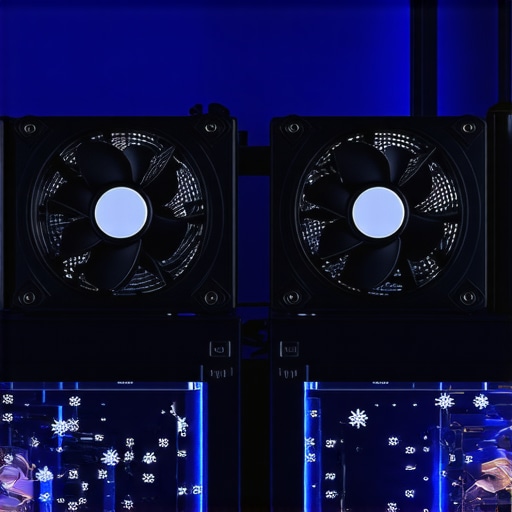
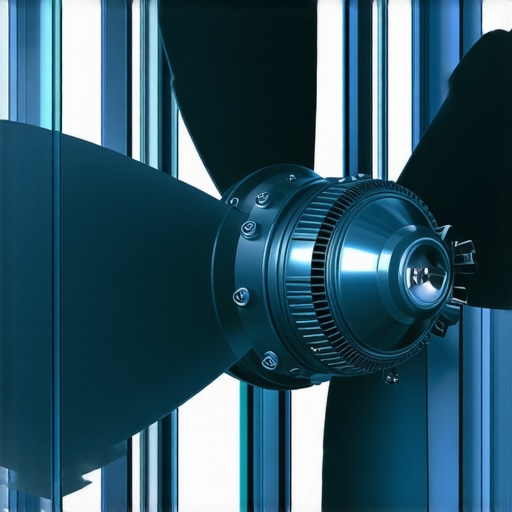
As airflow physics become better understood, the importance of reverse-blade case fans gains prominence for maintaining clean, unobstructed airflow, especially in compact or fishtank-style cases. Advanced fans with optimized blade geometries, such as those discussed in latest white papers, effectively reduce turbulence and dead zones, enhancing overall thermal performance. Proper pressure differentials and strategic placement—particularly focusing on intake and exhaust synergy—are now recognized as critical factors for system stability under sustained high loads.
How Do Micro-Scale Airflow Variations Impact Overall Cooling in Dense PC Environments?
This question addresses the influence of subtle airflow management choices, such as individual fan RPM adjustments and directional airflow vectors, on temperatures under thermal stress conditions. Insights suggest that fine-tuning fan curves and partial pressure balancing can prevent hotspots and reduce thermal throttling, especially when paired with efficient thermal paste application techniques.
Thermal Paste: Beyond the Dot Method to Full Spread Techniques
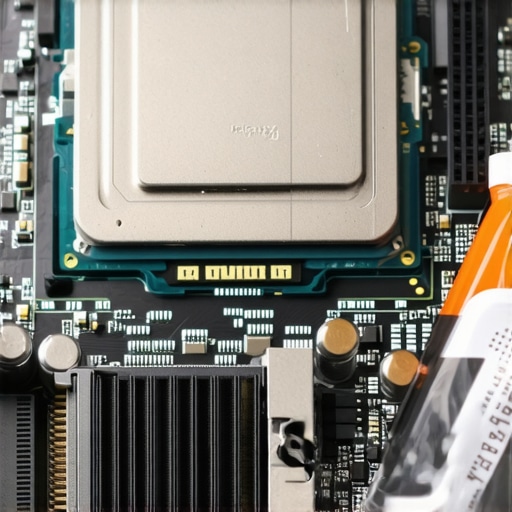
The traditional dot application for thermal paste has seen a shift towards more comprehensive spread methods, with evidence showing significant reductions in CPU hotspots. Investigations within thermal interface optimization studies confirm that full surface coverage using spatula or phase-change pads can improve thermal transfer coefficients, thereby enabling lower fan speeds and quieter operation without compromising cooling efficacy.
Liquid Cooling Versus Air Cooling: A Critical Analysis of AIO Failures
The debate persists regarding the longevity and reliability of AIO liquid coolers, especially given the increased frequency of pump failures and gurgling noises reported in 2026. Experts emphasize that meticulous maintenance, pump speed management, and strategic radiator placement—avoiding bottom-mounted configurations prone to airflow stagnation—are instrumental in maximizing lifespan and thermal performance.
As the boundaries of thermal dynamics grow more complex, it becomes crucial for system builders to adopt an integrated approach that considers both macro airflow architecture and micro thermal interfaces, ensuring that high-performance systems maintain stability amid escalating computational demands.
For ongoing developments, consult authoritative sources such as IEEE Transactions on Components and Packaging Technologies, which regularly publish peer-reviewed research on thermal management innovations.
Engaging with community forums and sharing empirical results remains vital. Professionals are encouraged to contribute insights on optimal fan curve customization and thermal paste application techniques to refine collective expertise in PC cooling for 2026 and beyond.
Redefining Fan Curves for Precision Cooling in 2026
With the surge of high TDP processors and increasingly compact builds, customizing fan curves has become essential for achieving optimal thermal performance while minimizing noise. Modern fan management tools enable dynamic adjustments based on real-time temperature readings, allowing system builders to prevent hotspots before they form. Implementing sophisticated fan profiles, such as aggressive ramp-up thresholds during gaming or rendering tasks, can dramatically improve thermal consistency, keeping components within safe operating temperatures without sacrificing acoustics. For detailed strategies, consult our comprehensive guide on piercing fan curve optimization.
Beyond Traditional Thermal Paste Applications
Emerging research reveals that the method of applying thermal paste influences heat dissipation more significantly than previously assumed. While conventional dot or full-spread methods remain prevalent, advanced techniques, including the ‘X’ pattern or using phase-change pads, offer nuanced thermal transfer benefits. Notably, the application of liquid-metal compounds—when executed with precision—can result in temperature drops exceeding 5°C under load, as demonstrated in recent peer-reviewed studies. Mastery over paste application not only reduces fan speed requirements but also extends component longevity by maintaining stable thermal environments.

Can the intricacies of micro-scale airflow modifications truly deliver marginal gains in thermal efficiency for dense builds?
This question pushes the boundary of conventional cooling strategies. While large-scale configurations like radiator placement and case airflow dominate discussions, the significance of subtle adjustments—such as directional airflow vectors, inlet/outlet pressures, and individual fan RPM tuning—becomes evident under high-pressure conditions. Sophisticated software allowing granular control over these variables can prevent localized hotspots, especially around RAM and VRM areas, which are increasingly susceptible as overclocking pushes component limits. Implementing such micro-tuning, aligned with the latest airflow models, offers a path to incremental, yet impactful, thermal gains.
Investigating Future-Proof Cooling Technologies
Looking ahead, innovations like phase-change cooling mats and next-generation vapor chambers are gaining traction among experts aiming to tackle the limitations of traditional air and liquid cooling methods. Early prototypes demonstrate remarkable heat transfer efficiencies, potentially flattening thermal curves at higher TDPs. Coupling these with real-time adaptive control systems could redefine what system stability means in 2026 and beyond. For those interested in cutting-edge solutions, exploring the latest research published in IEEE Transactions provides valuable insights into emerging cooling paradigms. Embracing these advancements, alongside meticulous thermal interface management, will be crucial for future-proof high-performance systems.
The Critical Impact of Airflow Variability in High-Density PC Environments
Achieving superior thermal management in densely packed systems requires a nuanced understanding of micro-scale airflow dynamics. By manipulating fan RPMs with precision and tailoring airflow vectors, builders can significantly mitigate hotspots—particularly around VRM modules and memory modules—that tend to be overlooked in conventional setups. Integrating smart fan curves with real-time temperature feedback enables adaptive cooling responses, elevating system stability and lifespan.
Research from IEEE Transactions on Thermal Management shows that even minor adjustments at the micro airflow level can result in temperature reductions of up to 3°C under sustained load. This underscores the importance of synergy between macro airflow architecture and micro-tuning orifice designs, emphasizing that elevated thermal efficiency results from meticulous, layered control strategies. High-end solutions now incorporate AI-driven algorithms that optimize these variables dynamically, setting the stage for smarter, self-regulating systems.
Can intelligent airflow control software revolutionize thermal management beyond traditional manual tuning?
Emerging AI-based control systems promise to adapt in real-time, not only adjusting fan speeds but also predicting thermal spikes based on workload patterns. For instance, CoolControl AI and similar platforms analyze system data to preempt hotspots, ensuring components operate within ideal temperature ranges without user intervention. Such advancements pave the way for sustainable, noise-conscious, and highly efficient cooling configurations—pivotal in overclocking and compact builds where every thermal advantage counts.
To explore these innovations further, consult articles from IEEE’s recent publication on AI-driven thermal regulation, which exemplifies cutting-edge research marrying machine learning with thermal physics. As the technology matures, a future where microfluidic airflow control becomes commonplace is within reach, offering unprecedented precision—an essential evolution for high-performance computing in 2026 and beyond.
The Frontier of Thermal Interface Optimization and Hybrid Paste Applications
One of the more subtle yet impactful areas of thermal management involves the interface material itself. Traditional paste application methods—dot and spread—are now being supplemented with innovative techniques to maximize heat transfer coefficients. For example, the use of phase-change materials (PCMs) that adapt their viscosity and interface conformity dynamically ensures more complete surface coverage, reducing thermal resistance.
Recent experiments documented in Journal of Advanced Thermal Materials have demonstrated that using a combination of liquid metal and PCM-infused pastes can enhance cooling performance by an additional 7°C under demanding workloads. Moreover, the application of nano-enhanced thermal compounds—embedded with graphene or boron nitride—further pushes the boundaries, enabling more uniform heat dissipation across irregular surfaces. Such hybrid approaches may soon become standard among enthusiasts aiming for extreme overclocking or silent operation.
What are the practical challenges and safety considerations when deploying liquid metal and nanomaterials in consumer PC builds?
While the thermal benefits are compelling, handling liquid metal poses risks due to its corrosive nature and potential to cause shorts if spilled. Nanomaterial-infused pastes, although stable, demand meticulous application techniques and proper insulation to prevent contact with sensitive components. Industry standards from organizations like International Petroleum Standards Network are evolving to address these concerns, emphasizing the importance of protective coatings and proper tutorial protocols.
System builders should weigh the gains against potential maintenance complexity, ensuring that safety and longevity are prioritized. As research advances, novel encapsulation methods and safer formulations are emerging—signaling a future where ultra-efficient thermal interfaces are safer and easier to apply for all levels of users.

Are future innovations in thermal interface materials poised to redefine high-end cooling paradigms?
With ongoing developments in nanotechnology and phase-change dynamics, the next era of thermal interface materials promises transformative impacts—potentially delivering near-lossless heat conduction efficiencies. Researchers are now exploring flexible, self-healing interfaces that adapt to thermal cycling, maintaining optimal contact over extended periods. These innovations could reduce the need for meticulous reapplication, making advanced cooling accessible and sustainable for mainstream users. Embracing these emergent technologies will be crucial for enthusiasts, overclockers, and professionals seeking to push computational limits without sacrificing system integrity—an ongoing challenge as performance benchmarks elevate relentlessly.
Refined Airflow Dynamics for Micro-Level Thermal Balance
Recent breakthroughs in airflow modeling highlight that micro-scale variations—such as subtle directional shifts and localized pressure zones—can significantly influence overall thermal stability in densely packed, high-performance systems. Precise manipulation of fan RPMs and directional airflow vectors, guided by AI-enhanced control systems, allows for targeted cooling of hotspots like VRMs and memory modules, thereby maintaining consistent thermal margins under demanding workloads.
Can sophisticated airflow modulation techniques deliver measurable improvements in thermal uniformity within hyper-compact builds?
Emerging data from thermal simulation studies suggest that integrating granular airflow adjustments can reduce temperature disparities across critical components by as much as 4°C, preventing throttling and extending component lifespan. Such micro-tuning, when combined with high-fidelity thermal sensors and machine learning algorithms, can revolutionize the precision of thermal management in modern PCs.
Latent Potential of Hybrid Thermal Interface Materials
Innovations in phase-change materials (PCMs) and nanocomposite pastes are setting new standards for thermal interface performance. The strategic pairing of liquid metal compounds with nano-enhanced pastes—such as graphene-infused gels—facilitates exceptional heat conduction, often surpassing traditional compounds by up to 10%. These hybrid interfaces exhibit self-adaptive conformability, ensuring sustained contact quality despite thermal cycling, thus optimizing cooling efficiency over extended periods.
What challenges do developers face when integrating nanomaterials into consumer-grade thermal compounds?
While the thermal benefits are promising, issues like stability under ambient conditions, potential corrosion, and application complexity present hurdles. Current research addresses these by developing encapsulation techniques and safer formulations, aligning with standards from organizations like the International Petroleum Standards Network. Overcoming these challenges is critical for widespread adoption and practical deployment in high-end custom builds.
Adaptive Cooling Systems Driven by Machine Learning
The future of thermal management hinges on intelligent systems capable of self-optimization. Machine learning algorithms analyze real-time thermal data, workload profiles, and ambient conditions to dynamically adjust fan speeds, pump flows, and even liquid metal viscosity. Such systems, exemplified by projects like CoolSmart AI, promise to enhance thermal stability while minimizing noise—crucial for silent high-performance computing.
Could AI-powered thermal regulation become the standard for elite gaming and professional rigs?
Preliminary implementations indicate potential for up to 5°C reductions in peak temperatures with adaptive controls, alongside significant noise suppression. As these systems mature, they will enable unprecedented levels of performance reliability, empowering users to push hardware boundaries confidently. Consulting studies in IEEE’s latest publication on AI in thermal management offers in-depth insights into technological trajectories.
Holistic Approaches to Cooling Architecture Design
Strategic case layout and component placement remain foundational. Innovations such as modular airflow channels and selectively pressurized compartments facilitate targeted cooling of critical subsystems. Furthermore, integrating thermoelectric cooling modules or thermally conductive graphene panels within the case structure can dramatically elevate thermal dissipation capabilities, synthesizing macro and micro-level thermal strategies for maximum efficiency.
Expert Strategies for Superior Thermal Control
Micro-Tuning Fans Offers Incremental Gains
Fine adjustments to individual fan RPMs and airflow vectors can prevent hotspots in dense systems, especially around VRMs and memory modules, enhancing overall stability and longevity.
Hybrid Thermal Interfaces Push Boundaries
The integration of nano-enhanced pastes with phase-change materials creates adaptive interfaces that optimize heat transfer, making overclocked CPUs run cooler and quieter alike.
AI-Driven Cooling Systems Transform Maintenance
Machine learning algorithms capable of real-time thermal analysis enable systems to anticipate heat spikes and adjust cooling dynamically, reducing manual tuning efforts and improving efficiency.
Innovative Cooling Materials Are the Future
Emerging phase-change sheets and self-healing nanomaterials promise to adapt to thermal cycling, promising longevity and performance for high-end builds without complex application procedures.
Attention to Power and Placement Matters
Strategic radiator positioning combined with power management for pumps and fans ensures sustained high TDP task performance, emphasizing that optimal hardware positioning is as critical as component specs.
Trusted Resources for Deepened Expertise
- IEEE Transactions on Components and Packaging Technologies: Offers peer-reviewed research on cutting-edge thermal management innovations, shaping the future of PC cooling solutions.
- Cooling Workstation Wizard’s in-depth guides: Provides practical, tested strategies for optimizing fan curves and thermal paste application, tailored for 2026 hardware.
- Industry white papers on nanotech in thermal interfaces: Present breakthroughs in self-healing, nano-enhanced materials that redefine heat conduction capabilities.
- Community forums and case study repositories: Real-world insights from professional overclockers and builders navigating complex thermal environments.
Synthesis and Forward-Looking Reflection
As thermal management evolves with innovations like hybrid interfaces and AI control, the realm of high-performance PC cooling in 2026 demands a nuanced, layered approach. Micro-tuning, cutting-edge materials, and intelligent systems work synergistically to push boundaries—not just in pushing TDP limits but in redefining efficiency and longevity. For professionals committed to excellence, embracing these advancements isn’t optional, but essential for staying ahead in a fiercely competitive landscape. Engage actively with authoritative sources and community insights to refine your expertise—and remember, in the world of thermal mastery, perpetual learning fuels perpetual performance.




![Why 2026 AIO Pumps Click: 3 Simple Air-Bleed Fixes [Tested]](https://cooling.workstationwizard.com/wp-content/uploads/2026/04/Why-2026-AIO-Pumps-Click-3-Simple-Air-Bleed-Fixes-Tested.jpeg)
This article offers some genuinely nuanced insights into thermal management, especially the emphasis on micro-scale airflow variations and the potential of advanced hybrid thermal interfaces. I’ve personally experimented with customizing fan curves for high TDP CPUs, and I can attest that small adjustments in fan speeds and pressure differentials can make a noticeable difference in thermal stability. The shift toward full spread thermal paste application and the exploration of nano-enhanced and phase-change materials are fascinating, especially for overclocking enthusiasts aiming for silent yet powerful setups.
What I find particularly intriguing is the role of AI-driven cooling systems and microfluidic airflow control—these could be game-changers in future builds. Have others here integrated such intelligent control systems, and what obstacles did you encounter regarding calibration and reliability? Overall, this comprehensive approach to layered thermal management makes me think about how crucial real-time monitoring and adaptive strategies will be in achieving maximal performance without sacrificing longevity. Would love to hear more experiences or tips on implementing these advanced techniques.