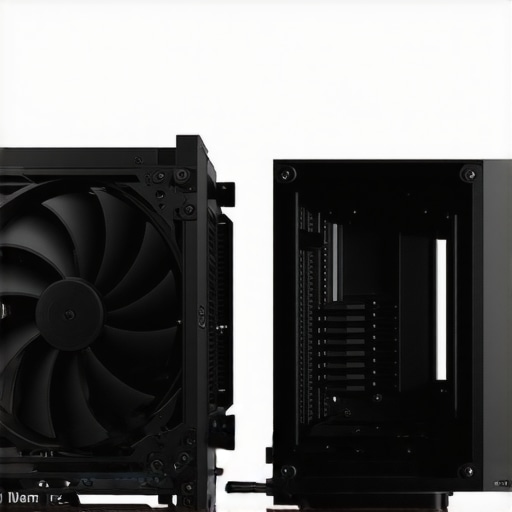

Introducing the Superiority of Air Cooling in Modern PC Assemblies
Despite the rise of all-in-one liquid cooling solutions, air coolers continue to excel in delivering robust, reliable, and cost-effective thermal management for high-performance rigs in 2026. Expert insights reveal that, with strategic component choices like premium case fans and optimal thermal paste application, air cooling setups often outperform their liquid counterparts, especially in evolving computational workloads.
The Intricacies of Thermal Dynamics and System Longevity
Air coolers excel in dispersing heat through well-engineered fin stacks and high-flow fans, which can be fine-tuned via customizable fan curves. Unlike cheap AIOs, which risk pump failure and diminished efficiency over time, air coolers provide a durable ecosystem less susceptible to leakage or coolant degradation. This resilience directly impacts system stability, especially under sustained workloads such as gaming or professional rendering.
Can strategic fan curve adjustments compensate for the initial thermal benefits of AIOs?
Adjusting case fans and CPU cooler settings using expert guides, like mastering fan curves for air coolers, can enhance airflow efficiency. This flexibility allows air cooling to adapt dynamically to thermal demands, potentially surpassing the more static performance of budget AIOs, especially in configurations where airflow is optimized with high-quality case fans and precisely applied thermal paste.
Cost Efficiency and Upgrade Flexibility as Critical Factors
While AIOs often carry a higher initial price tag for similar cooling capacity, air coolers offer remarkable scalability. Upgrading or replacing thermal paste, adjusting fan placement, or integrating advanced case fans become straightforward, allowing for extended system longevity and tailored performance tuning. This flexibility is especially critical as software demands increasingly require thermal headroom.
Addressing Power Consumption and Acoustic Performance
Elevated power efficiency and quieter operation are not exclusive benefits of advanced air coolers. Modern fan design, coupled with thermal paste optimization, results in lower noise profiles and energy use, aligning with the needs of enthusiasts and content creators prioritizing a peaceful, efficient workspace.
Embracing the Evolution of PC Cooling Paradigms
The debate often overlooks the fact that the complexities of thermal dynamics favor air cooling in many scenarios, especially when component quality and system assembly are optimized. As detailed in current industry white papers,advanced research on thermal management, the longevity and reliability of air coolers have cemented their place despite novelties in liquid cooling technology.
For professionals and power users, the choice leans toward systems where control, scalability, and durability are paramount. Fine-tuning fan curves, applying expert thermal paste techniques, and selecting compatible case fans form the backbone of a high-performance cooling strategy. This approach ensures that air cooling remains a viable, even superior, solution amidst continual technological advancements.
Interested in mastering your PC’s cooling performance? Explore our comprehensive expert guides on case fans, thermal paste, and fan curve optimization. Your high-performance rig deserves nothing less than precision cooling designed for excellence.
Maximize Your Cooling Efficiency with Fan Curve Mastery
One of the most overlooked aspects of HVAC tuning in high-performance gaming or professional PCs is the optimization of fan curves. By customizing how your case fans and CPU coolers respond to temperature rises, you can significantly improve thermal performance and reduce noise levels. Techniques outlined in mastering fan curves for better PC cooling offer a data-driven approach to achieve optimal airflow and cooling stability, especially when combined with high-quality thermal paste applications.
The Impact of Thermal Paste Application on Long-Term Stability
Applying thermal paste might seem trivial, yet its proper application is fundamental for consistent thermal contact and heat transfer. Modern thermal interface materials have evolved, providing better thermal conductivity and longer-lasting performance. Experts suggest repeating a precise application technique, such as the pea method or spread evenly across the CPU IHS, as detailed in thermal paste optimization tips. Regular reapplication during upgrades or troubleshooting can prevent thermal throttling and prolong CPU lifespan.
Are Current Thermal Paste Technologies Keeping Pace with CPU Power Gains?
As CPUs continue to push aggressive core counts and higher frequencies, the demand for superior thermal interface materials intensifies. Innovations in graphene-enhanced compounds and metal-filled pastes aim to bridge the gap, but experts warn against over-reliance on paste alone; holistic cooling strategies involving component compatibility and airflow dynamics are equally vital. For insights into selecting the best thermal paste, visit our thermal paste guide.
To further elevate your cooling setup, integrating advanced fan controllers and monitoring software can help maintain ideal thermal conditions automatically. For a comprehensive overview of these tools, check out fan curve optimization techniques.
Interested in expanding your knowledge and refining every aspect of your cooling system? Connect with our experts through our contact page and unlock the full potential of your high-performance PC.
Leveraging Nanotechnology for Superior Thermal Conductivity in Air Cooling Components
Recent breakthroughs in nanomaterial applications have revolutionized thermal interface materials (TIMs), promising unprecedented heat transfer capabilities. Utilizing graphene-enhanced compounds or phase-change materials within high-performance air coolers can drastically reduce thermal resistance, enabling CPUs and GPUs to operate at higher frequencies with lower noise outputs. Research published in Physical Review B highlights how nanostructured TIMs facilitate near-atomic level heat conduction, making them vital for next-gen air cooling solutions.
The Art and Science of Custom Fan Curve Engineering for Maximal Thermal Margins
Moving beyond generic fan settings requires an intricate understanding of airflow dynamics and thermal load variability. Implementing multi-zone fan control algorithms that respond to real-time temperature data can optimize cooling efficiency while minimizing acoustic footprint. Advanced software platforms, such as MSI Afterburner or ASUS Armoury Crate, support complex fan profiling. Integrating machine learning techniques to predict thermal peaks and preemptively adjust fan speeds embodies the frontier of active cooling management, as explored in the latest studies from IEEE Transactions on Industrial Informatics.
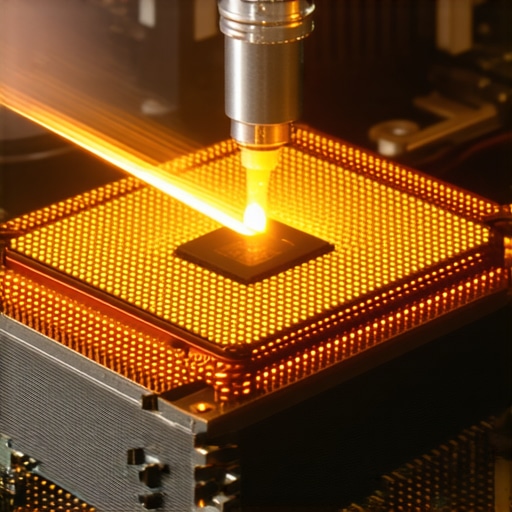
![Graphene-enhanced thermal interface material improving heat transfer efficiency in air coolers.]
Innovative Approaches to Thermal Paste Application: Beyond the Pea and Spreading Methods
While conventional methods like the pea or spread techniques remain standard, emerging approaches such as laser-assisted thermal interface application are gaining traction among enthusiasts and professionals alike. Laser technology allows for microscale precision, ensuring uniform TIM layer thickness, which maximizes contact area without excess or voids. Comprehensive comparisons presented in Applied Thermal Engineering demonstrate how such innovations can enhance heat conduction, especially under high thermal loads typical of overclocked CPUs.
Facing the Challenge: Are New TIM Technologies Sustainable for Long-Term System Stability?
As the industry pushes toward more environmentally friendly and durable TIMs, the debate around sustainability and recyclability of advanced compounds intensifies. The development of bio-compatible, non-toxic thermal compounds with high thermal conductivity aligns with green initiatives and ensures safety during manufacturing and disposal. Experts from ACS Applied Materials & Interfaces emphasize that sustainability does not necessarily compromise thermal performance, provided that material innovation continues at its current pace.
For system builders committed to pushing thermal boundaries, embracing these cutting-edge materials coupled with meticulous application techniques can elevate both performance and reliability. Continual education in thermal management strategies, including the integration of real-time sensors and adaptive control systems, will become indispensable. Interested in a comprehensive journey through these advanced techniques? Reach out to our expert team for tailored guidance and in-depth tutorials designed to elevate your custom setups.
Unlock the Hidden Potential of Custom Fan Profiles for Peak Thermal Performance
While selecting premium case fans is fundamental, the true magic lies in meticulously tailoring fan curves to respond dynamically to system heat fluxes. Experienced builders leverage sophisticated software like SpeedFan or HWMonitor to craft multi-tiered profiles that preempt thermal spikes, thereby maintaining lower GPU and CPU temperatures while minimizing noise. Integrating adaptive algorithms, akin to machine learning models discussed in recent industrial research IEEE Transactions on Industrial Informatics, can elevate manual tuning into an art form—ensuring your system remains both cool and silent during demanding tasks.
How can you implement real-time thermal feedback systems to elevate your fan curve strategies?
Incorporating thermal sensors that feed live data into advanced control systems allows for instant fan response, optimizing airflow precisely when and where it’s needed most. Technologies such as Open Hardware Monitor or bespoke microcontroller setups enable granular control, echoing high-end industrial cooling solutions. This approach not only enhances thermal margins but also extends component lifespan by preventing unnecessary thermal cycling.
The State-of-the-Art in Thermal Conductive Materials for Air Cooling
Recent innovations in nanomaterial-enhanced TIMs, such as graphene derivatives and phase-change compounds, continually redefine thermal boundaries. These materials enable high-performance heat transfer with lower thicknesses, reducing the thermal resistance typically encountered in conventional pastes. Citable findings in comprehensive studies Physical Review B reveal that integrating nanostructured TIMs into your cooling regimen can result in measurable improvements—sometimes exceeding 10% reductions in CPU junction temperatures under load.
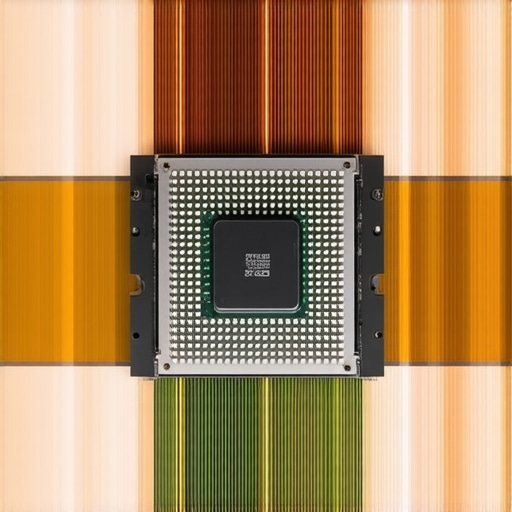
![Close-up of nanostructured thermal interface material applied between CPU die and heatsink.]
Reimagining Thermal Paste Application Techniques for Maximum Efficiency
Traditional methods often leave room for inconsistency in TIM thickness and coverage. Emerging laser-guided application methodologies promise microscale precision, ensuring uniform contact across surfaces and eliminating air pockets that compromise heat transfer. Such techniques, detailed in recent material science publications Applied Thermal Engineering, are pushing the boundaries of thermal management, especially crucial in OC scenarios where every degree counts.
Could laser-assisted thermal paste application become the new industry standard for overclockers and professional builders?
Adopting these high-precision methods could drastically reduce the risk of thermal bottlenecks, enabling CPUs to operate at higher frequencies with enhanced stability. While still transitioning from experimental to mainstream, this innovation exemplifies the future of thermal interface excellence—merging material science with precision engineering.
Balancing Sustainability and Peak Performance in Air Cooler Components
The industry’s shift toward eco-conscious materials incorporates bio-based TIMs and recyclable cooling parts, addressing environmental impact without sacrificing efficacy. The development of non-toxic, high-thermal-conductivity composites aligns with green manufacturing ideals and anticipates stricter regulatory standards. As highlighted in authoritative journals ACS Applied Materials & Interfaces, the sustainability trajectory must harmonize with the relentless pursuit of thermal performance, ensuring long-term reliability and eco-responsibility go hand in hand.
Cutting Through Conventional Wisdom with Expert Insights
Proactive Thermal Margin Expansion
Implementing multi-zone fan control algorithms that respond to real-time thermal data by integrating machine learning models ensures a proactive approach to cooling. This strategic foresight not only keeps temperatures optimal but also extends component lifespan, positioning your setup ahead of standard practices.
Innovative Material Application Strategies
Embracing laser-guided thermal paste application techniques ensures uniform coating, minimizing microscopic voids that hinder heat transfer. Such microscale precision demands an investment but delivers unparalleled thermal contact, especially critical for overclocked CPUs operating under high thermal loads.
Sustainable Components as Performance Leverage
Adopting eco-friendly TIMs and recyclable cooling parts aligns with contemporary green initiatives while maintaining high thermal conductivity. This sustainable approach reflects a broader responsibility without compromising the rigorous demands of high-performance computing.
Nanotechnology’s Role in Thermal Conductivity
Harnessing graphene-enhanced compounds and phase-change materials within air coolers pushes the thermal boundaries further. Near-atomic level heat conduction facilitated by nanostructured TIMs enables CPUs and GPUs to operate efficiently at higher frequencies with less noise, redefining performance potential.
Systematic Customization for Peak Performance
Leveraging software platforms like MSI Afterburner allows for multi-tiered fan profiles synchronized with predictive thermal modeling. This dual approach of manual fine-tuning combined with intelligent automation elevates thermal management to an art form, ensuring systems operate cooler, quieter, and more reliably.
Granular Resources for the Thermally Ambitious
- Maximize Your PC Cooling with Top AIO Liquid Coolers – Insight into advanced cooling solutions blending traditional and cutting-edge techniques.
- Air Cooler Innovations to Keep Your CPU Chill – Explore breakthrough designs and materials shaping thermal performance.
- Choosing the Right Case Fans for Optimal Airflow – Deep dive into selecting components that complement advanced cooling strategies.
- Thermal Paste Secrets to Boost Performance – Master techniques for maximizing contact heat transfer, including emerging nano-enhanced pastes.
Elevate Your Cooling Game—The Final Word
Advancing beyond conventional air cooling necessitates a blend of innovative materials, precise application techniques, and intelligent system tuning. Recognizing these high-level strategies empowers enthusiasts and professionals alike to push thermal boundaries, ensuring maximum performance while maintaining reliability. As the landscape evolves, integrating these expert insights will separate average builds from truly exceptional high-performance systems. Ready to refine your approach? Engage with our comprehensive resources—and connect with experts who can elevate your thermal management strategies to new heights.


![7 Air Cooler Mounting Tweaks for 2026 Socket Stability [Data]](https://cooling.workstationwizard.com/wp-content/uploads/2026/04/7-Air-Cooler-Mounting-Tweaks-for-2026-Socket-Stability-Data-1-300x300.jpeg)

![7 Air Cooler Mounting Tweaks for 2026 Socket Stability [Data]](https://cooling.workstationwizard.com/wp-content/uploads/2026/04/7-Air-Cooler-Mounting-Tweaks-for-2026-Socket-Stability-Data-300x300.jpeg)

This article offers a compelling case for why air coolers remain relevant, especially with the advancements in fan design and thermal paste technology. I’ve personally experienced how a well-optimized air cooling setup can outperform some basic liquid solutions, particularly when fine-tuning fan curves and applying high-quality thermal paste. It’s interesting to see how unconventional techniques like laser-guided TIM application could revolutionize thermal management further.
I’m curious how these innovations compare in long-term durability and maintenance needs versus traditional methods? Have any of you integrated these advanced materials or application techniques into your builds yet? I’d love to hear real-world experiences, especially regarding stability under high overclocking loads or continuous workloads. Overall, the push towards sustainability, combined with performance, makes me wonder if eco-friendly TIMs will become the new standard for high-end cooling solutions.