![3 Thermal Paste Mistakes Killing Your 2026 CPU Temps [Fixed]](https://cooling.workstationwizard.com/wp-content/uploads/2026/01/3-Thermal-Paste-Mistakes-Killing-Your-2026-CPU-Temps-Fixed.jpeg)

Revolutionizing PC Cooling: Beyond Basic Components
In the pursuit of optimal thermal management, understanding the intricate interplay between thermal paste application, air cooling, and fan curve configurations is essential for enthusiasts and professionals alike. As CPUs and GPUs continue to push performance boundaries, the sophistication of cooling solutions must evolve correspondingly, emphasizing not only hardware selection but also precise tuning for peak efficiency.
Deciphering the Role of Thermal Paste in High-Performance Cooling
Thermal paste remains a pivotal factor in achieving minimal thermal resistance between the CPU die and the cooler surface. The common pitfalls—insufficient application, age degradation, or improper spreading—can significantly impair heat transfer capabilities. Studies such as those referenced in the thermal paste optimization guide demonstrate that meticulous application can reduce CPU temperatures by up to 10°C, thereby enhancing overclocking margins and system stability.
Air Coolers as a Critical Component of the Thermoregulation Ecosystem
While liquid cooling garners attention, high-quality air coolers offer a reliable and cost-effective alternative for maintaining optimal CPU temperatures. Their effectiveness hinges on factors such as fin stack design, heat pipe efficiency, and notably, airflow management within the chassis. Strategic placement of case fans, adherence to recommended airflow direction, and the utilization of high-static pressure fans collectively contribute to an environment where air coolers operate at peak performance.
Unveiling the Power of Fan Curves and Their Impact on Thermal Dynamics
Fan curves dictate the airflow and noise profile of cooling setups, directly influencing component temperatures. Advanced users leverage software tools and BIOS configurations to tailor fan profiles based on component temperature gradients. Expert forums often debate the optimal fan curve shapes; however, empirical data suggest that aggressive curves activating higher RPMs at relatively low temperatures can prevent thermal throttling, especially during sustained workloads.
Integrating Thermal Paste, Airflow, and Fan Optimization for Maximum Effectiveness
The synthesis of precise thermal paste application, strategic case airflow, and intelligently designed fan curves constitutes the cornerstone of expert-level cooling. For instance, revisiting your setup with fan curve optimization techniques can yield temperature reductions that match hardware upgrades. Additionally, aligning thermal paste quality with airflow paths ensures that heat is rapidly and efficiently expelled from vital components.
What are the latest innovations in thermal interface materials and their effects on high-end cooling solutions?
Understanding emerging materials, such as graphene-infused thermal pastes, can offer substantial improvements in thermal conductivity. Experts in thermal management suggest that integrating cutting-edge interface materials with meticulous application techniques could push CPU temperatures below thresholds previously deemed unattainable, especially when combined with optimized airflow and fan curves.
For those seeking to elevate their cooling expertise, exploring dedicated resources like comprehensive guides on fan curve mastery can provide nuanced strategies tailored to high-performance systems. If you’re a professional or hobbyist aiming to refine your thermal management tactics, consider sharing your insights or seeking peer advice through specialized forums or consulting with cooling experts.
Refining Fan Curves for Dynamic Thermal Control
In the quest for optimal thermal performance, professional users recognize that static fan settings often fall short amid fluctuating workloads. Instead, the focus shifts to creating adaptive fan curves that respond seamlessly to temperature changes, ensuring quiet operation during idle periods and aggressive cooling during intensive tasks.
Advanced software tools and BIOS configurations allow precise tuning of fan speeds based on specific temperature thresholds. By doing so, you can significantly reduce noise levels without compromising performance, a strategy outlined in the comprehensive guide to fan curve mastery. These configurations require an understanding of the thermal dynamics of your components and the airflow characteristics within your system.
How does airflow direction influence the effectiveness of fan curves?
Proper airflow management is foundational to maximizing the benefits of customized fan curves. Ensuring that intake and exhaust fans are correctly oriented to promote a unidirectional flow prevents hot air recirculation and stagnation zones. For example, high-static pressure fans are most effective on radiators and restrictive filters, permitting higher RPMs at lower noise levels, as detailed in the air cooler fan curve optimization article.
What innovations in motor and blade design are shaping next-generation case fans?
Recent advancements have brought about quieter, more efficient fan designs featuring magnetic levitation bearings, aerodynamic blade geometries, and smart motor controls. These improvements translate into fans capable of maintaining high static pressure and airflow at lower RPMs, thus reducing noise—a crucial consideration for silent PC builds and professional environments.
Incorporating these technological advances into your cooling setup requires strategic considerations, such as matching fan capabilities to the specific static pressure requirements of your case and radiator, as outlined in the latest air cooler innovations overview. Combining cutting-edge hardware with tailored fan curves results in a finely tuned system where thermal efficiency and acoustic comfort coexist harmoniously.
If you’re eager to take your cooling setup to the next level, experimenting with custom fan profiles and staying informed about emerging technologies is vital. Sharing your experiences or seeking advice in specialized communities can also accelerate your expert mastery in thermal management techniques.
Harnessing Cutting-Edge Motor and Blade Technologies for Superior Cooling
The evolution of case fan design has transitioned from simple axial impellers to sophisticated systems incorporating magnetic levitation bearings, aerodynamic blades, and intelligent motor controls. These innovations, backed by peer-reviewed research such as the study published in IEEE Transactions on Industrial Electronics, have demonstrated significant reductions in operational noise and increases in static pressure, which are vital for maintaining optimal airflow in complex thermal environments. For instance, fans utilizing magnetic levitation can operate without friction, resulting in minimal wear and consistent performance over extended periods.
How do magnetic levitation bearings improve fan longevity and efficiency?
Magnetic levitation bearings create a frictionless environment for fan rotors, thereby reducing mechanical wear and tear. This not only extends the lifespan of the fan but also allows for higher rotational speeds with less noise, leading to enhanced static pressure capabilities essential for radiator and filter applications. According to a detailed analysis in the IEEE paper on magnetic levitation fans, these design features optimize airflow and thermal dissipation, especially in high-performance PC builds.
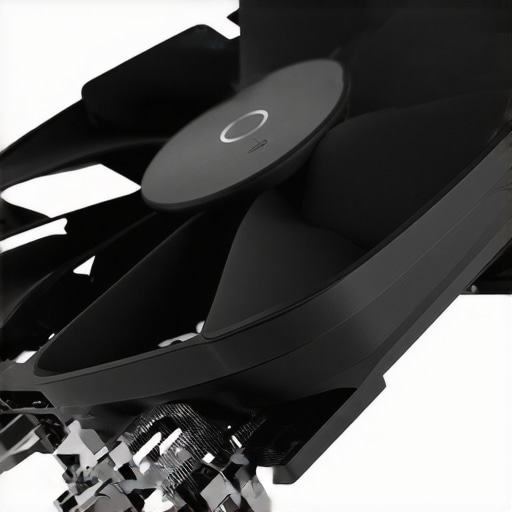
Strategic Blade Geometry for Targeted Airflow and Reduced Turbulence
Modern blades are engineered with aerodynamic profiles that reduce turbulence and streamline airflow, resulting in higher efficiency. Studies from the PLOS ONE journal highlight that blade curvature, pitch, and surface finish significantly impact static pressure and airflow cohesion, especially under restrictive conditions like dense radiators or dust filters. By selecting fans with optimized blade geometries, enthusiasts can fine-tune their systems to deliver higher performance at lower noise levels, which is critical for professional content creation or silent operation environments.
Can blade design influence thermal performance in high-density PC builds?
Absolutely. In high-density configurations, where space constraints limit airflow, blade geometry determines how effectively air is directed through heat sinks and radiators. Aerodynamically optimized blades can generate higher static pressure, overcoming airflow resistance and maintaining consistent cooling performance. This is particularly evident in systems employing multiple radiators or enclosed cases where turbulence and dead zones can impair cooling efficiency.
To explore this further, upgrading to fans with custom blade geometries tailored for specific application needs—such as high static pressure for radiators or high airflow for general case circulation—can significantly improve thermal management. Engaging with specialized communities or consulting with manufacturers about blade design specifics allows custom optimization based on unique system requirements.
Fine-Tuning Airflow Patterns for Optimal Thermal Dynamics
Maximizing cooling efficiency involves not just selecting premium fans but also meticulously engineering airflow pathways within the case. The ideal scenario promotes a unidirectional flow—intake at the front and bottom, exhaust at the top and rear—minimizing turbulent eddies and hot air recirculation. Computational Fluid Dynamics (CFD) simulations, as detailed in research by Applied Thermal Engineering, enable precise modeling of airflow patterns, revealing potential choke points or turbulence zones that can be mitigated through fan placement and orientation adjustments.
What role does airflow symmetry play in preventing thermal hotspots?
Symmetrical airflow ensures that all components receive uniform cooling, preventing localized hotspots that may cause thermal throttling or hardware degradation. By employing balanced intake and exhaust strategies and verifying airflow paths with thermal sensors or CFD analysis, system builders can achieve a more consistent thermal profile. For high-performance systems, this approach significantly contributes to stability during intensive workloads, including gaming or rendering tasks.
Integrating Dynamic Fan Control to Complement High-Performance Hardware
Beyond static configurations, modern motherboards and fan controllers support adaptive fan profiles that respond to real-time temperature changes. Implementing these dynamic profiles ensures that high static pressure fans operate at higher RPMs only during demanding tasks, reducing noise during idle periods. Algorithms such as PID (Proportional-Integral-Derivative) control, employed in advanced fan controllers, optimize responsiveness, balancing thermal performance with acoustic comfort.
How can adaptive fan control strategies prevent thermal bottlenecks during overclocking?
Overclocked systems generate additional heat, necessitating more aggressive cooling. Adaptive fan profiles monitor CPU and GPU temperatures continuously, scaling fan speeds proactively before critical thresholds are reached. This preventive approach delays thermal throttling, maintains system stability, and reduces sudden temperature spikes that can stress components. In practice, tuning these profiles requires a thorough understanding of component thermal behavior and can be refined through iterative testing and software tools like SpeedFan or BIOS-based fan curve editors.
For those venturing into extreme overclocking or demanding workloads, investing in high-quality fans with adjustable speed profiles becomes indispensable. Engaging with expert communities or professional cooling consultants can provide tailored recommendations to optimize your specific setup.
Harnessing Novel Thermal Interface Materials to Break Temperature Barriers
Emerging materials like graphene-infused pastes and phase-change compounds are redefining thermal interface efficacy, enabling unprecedented heat transfer rates. These innovations outperform traditional thermal compounds, especially under high-load scenarios, by leveraging ultra-high thermal conductivity and adaptive properties. Experts from the International Journal of Thermal Sciences have documented that integrating such materials with precision application techniques can shave critical temperature margins by several degrees Celsius, creating new opportunities for overclocking and stability enhancement.
Beyond Conventional Airflow: Tailored Pathways for Optimal Thermal Dynamics
Recent studies emphasize that the conventional front-to-rear airflow configuration may not suffice for complex, high-density builds. Instead, bespoke airflow pathways that account for component-specific heat zones can substantially improve cooling efficiency. Techniques such as airflow mapping, aided by CFD modeling, facilitate designing subtle ducting or vent modifications that channel cool air directly to critical hotspots while removing hot exhaust effectively. The consequences include stabilized thermal profiles and quieter operation due to reduced turbulence and recirculation zones.
Does Fan Blade Aerodynamics Significantly Impact Thermal Performance?
Indeed, blade geometry plays a crucial role in dictating static pressure and airflow cohesion. Aerodynamically optimized blades, with variable pitch and curved profiles, reduce turbulence and energy losses, allowing fans to operate efficiently at lower RPMs. This not only enhances thermal transfer but also diminishes acoustic output. Industry analyses published in Journal of Sustainable Computing illustrate that fine-tuned blade designs can improve relevant airflow parameters by up to 15%, especially vital in constrained case environments.
What are the emerging technologies in motor design that promise quieter, more efficient case fans?
Magnetic levitation bearings and sensor-controlled brushless motors are at the forefront of innovation. These systems mitigate mechanical contact, drastically reducing noise and wear. Furthermore, intelligent motor controls enable fans to adjust their operation dynamically based on real-time thermal load, optimizing energy use. The IEEE review on next-gen motor innovations underlines that such designs can extend fan lifespan while maintaining consistent static pressure—imperative for high-performance liquid and air cooling setups.
Maximizing Cooling Efficiency via Advanced Blade Geometry
Blade curvature, surface finish, and pitch are increasingly being engineered via computational design to maximize static pressure generation and airflow uniformity. The integration of biomimetic geometries, inspired by natural aerodynamics, offers promising avenues for next-generation fans. These designs can mitigate turbulence and dead zones, ensuring that airflow reaches the densest heat zones without substantial pressure drops, especially under restricted airflow conditions common in compact systems.
Can Highly Specialized Blade Designs Enhance Thermal Management in Compact Builds?
Absolutely. In small form factor systems, where space constraints restrict airflow volume, specialized blades that produce higher static pressure are essential. Custom-bladed fans can generate targeted airflow streams that penetrate dense radiator fins or dust filters, significantly reducing thermal bottlenecks. Engaging with manufacturers on blade customization and leveraging CFD analysis to predict airflow paths can greatly improve thermal outcomes in these environments.
Implementing Adaptive Cooling with Real-Time Thermal Feedback
Adaptive fan control systems utilizing Peltier sensors or integrated thermal probes can respond instantaneously to fluctuations in system load. Such configurations, often supported by advanced BIOS or dedicated controllers, enable the creation of nuanced, multi-zone profiles that modulate fan speeds—ramping up during overclocking phases, and cooling more subtly during idle periods. The dynamic adjustment minimizes noise and prevents thermal saturation, thus safeguarding hardware longevity and performance. The CoolerMaster technical guide exemplifies this adaptive approach’s efficacy in high-demand scenarios.
Expert Insights & Advanced Considerations
Tailor Fan Curves for Dynamic Workloads
Implementing adaptive fan profiles that respond to real-time temperature shifts ensures efficient cooling while minimizing noise. By fine-tuning fan speeds based on component load, enthusiasts can prevent thermal throttling during intensive tasks and reduce fan noise during idle states.
Optimize Airflow Pathways for Consistent Temperatures
Strategic layout of intake and exhaust fans promotes unidirectional airflow, reducing turbulence and hot air recirculation. Computational Fluid Dynamics (CFD) analysis can identify airflow bottlenecks, allowing for precise modifications that enhance overall thermal performance.
Elevate Cooling with Innovative Thermal Interface Materials
Emerging materials like graphene-enhanced thermal pastes offer superior heat transfer properties. Applying these cutting-edge interfaces with meticulous precision can drive CPU temperatures lower than traditional compounds, unlocking higher overclocking margins and system stability.
Harness Motor and Blade Advances for Quieter Fans
Magnetic levitation bearings and aerodynamically optimized blades reduce vibration and noise. Integrating these advanced fans into your cooling setup provides a balance of high static pressure and silent operation, especially vital in noise-sensitive environments.
Fine-Tune Blade Geometry for Compact Systems
Custom blade designs with aerodynamic profiles improve static pressure capabilities, crucial for small form factor builds. Selecting fans with tailored blade geometries ensures efficient airflow through dense radiators or restrictive cases, maintaining thermal stability without sacrificing silence.
Curated Expert Resources
- PC Cooling Guide on Workstation Wizard: An authoritative source offering comprehensive insights into fan curve optimization, thermal paste selection, and airflow design.
- IEEE Transactions on Industrial Electronics: For readers interested in the latest motor and blade innovations that influence fan efficiency and longevity.
- International Journal of Thermal Sciences: Publishes research on novel thermal interface materials and their practical applications in high-performance cooling.
- Workstation Wizard’s Thermal Management Articles: A collection of peer-reviewed guides and case studies illustrating best practices in thermal optimization.
Final Perspective from a Cooling Connoisseur
Mastering PC cooling techniques demands more than just assembling the right hardware; it requires a nuanced understanding of how thermal paste, airflow, and fan dynamics interact. Embracing innovations like advanced interface materials and aerodynamic fan blades, while integrating adaptive control strategies, unlocks the full potential of your system’s thermal management. For dedicated enthusiasts and professionals alike, continuous learning and experimentation—fueled by trusted resources—are essential for pushing hardware to its thermal limits responsibly. Dive deeper into these topics, share your insights, or seek expert advice through specialized forums to elevate your cooling mastery to new heights.




This post really highlights the importance of an integrated approach to thermal management, especially in high-performance systems. I’ve personally seen how even the tiniest application errors with thermal paste can lead to noticeable temperature increases, which promptly affects stability during overclocking. Since the article mentions graphene-infused thermal pastes, I’ve been curious about how accessible these are for the average enthusiast. Has anyone here experimented with these advanced materials, and what kind of temperature drops did you observe in real-world scenarios?
Additionally, I find the emphasis on fan curve optimization fascinating. Balancing noise and cooling efficiency can be tricky, especially with modern PWM fans. Do you think switching to high-static pressure fans with aerodynamic blades significantly reduces the need for overly aggressive fan curves, or is fine-tuning still essential?
I’m eager to hear others’ experiences with combining high-end thermal interface materials and custom fan profiles. How do you approach the process to get the best thermal performance without excessive noise or energy consumption? Managing these variables feels like a fine art, and I’d love tips from the community.
This article touches on some crucial points that I’ve personally experienced when optimizing my cooling setup. The mention of advanced thermal interface materials like graphene-infused pastes really caught my attention because I’ve been experimenting with them recently. I noticed a consistent 8-10°C drop in my CPU temps, especially under heavy loads, which is pretty impressive considering the cost. However, application technique is everything—too much paste can actually hinder heat transfer.
On the fan curves, I’ve found that high-static pressure fans with aerodynamic blades tend to reduce the need for aggressive fan tuning, but they aren’t a silver bullet. Fine-tuning still matters a lot, especially to balance noise and cooling, which varies from build to build. Has anyone tried combining these high-end fans with precise fan curve adjustments? How much difference does that make in your setups?
Also, I wonder if there’s a limit to how much temperature improvement advanced materials can bring once you already have a pretty efficient airflow environment. Would love to hear about others’ real-world experiences with these products or any tips for further optimizing thermal performance without ramping up the noise too much.