
Mastering Thermal Interface Application: Why Manual Spreading Surpasses Pea-Dot Techniques in Custom PC Builds
In the landscape of high-performance computing, meticulous thermal management remains paramount. Among the myriad of factors influencing CPU temperatures, the application method of thermal paste plays a critical role. Recent expert analyses reveal that manual spreading techniques, particularly the full-spread method, outperform traditional pea-dot applications, especially on high-density, multi-die processors.
The Nuanced Impact of Thermal Paste Distribution on AIO Cooler Efficacy
All-in-one (AIO) liquid coolers have revolutionized PC cooling owing to their compact design and superior thermal transfer capabilities. However, the interface between the CPU and the cooler’s cold plate necessitates optimal thermal paste application. Uneven distribution can induce hotspots, which compromise the thermal interface’s effectiveness. Field tests, such as those documented in recent white papers on thermal interface material (TIM) behavior, endorse the full-spread approach for its consistency and reduced thermal resistance.
Why the Shape and Material Matter in High-Performance CPU Cooling
The choice of thermal paste, coupled with application precision, dictates the boundary layer thermal performance. High-viscosity compounds and those with superior thermal conductivity benefit more from meticulous spreading. For multi-die setups found in modern CPUs, expert strategies recommend aligning the paste application with the die layout, ensuring minimal gaps and voids. This approach enhances contact quality and minimizes micro-luminescence issues that cause heat accumulation.
Is Manual Spreading More Reliable Than Factory Pre-Application or Pea-Dot Method?
Empirical evidence suggests that factory pre-applied thermal pads or paste often lack uniformity, especially after multiple thermal cycles. The pea-dot method, widely promoted for its simplicity, may lead to uneven distribution, risking air bubble entrapment and void formation. Conversely, manual full-spread application—using a cleaned spatula or finger glove—allows for meticulous coverage, resulting in lower core temperatures and improved overclocking margins. This is particularly pertinent when maximizing the cooling potential of custom AIO liquid coolers for 2025.
How can thermal paste application techniques influence overclocking stability in high-end CPU configurations?
Precise application methods directly impact the thermal conductivity at the interface, limiting thermal throttling. Superior contact achieved through manual spreading ensures that increased heat flux, typical in overclocked systems, is efficiently dissipated. This can translate into higher stable frequencies and prolonged component lifespan, underscoring the importance of detailed application protocols. Expert forums consistently recommend the full-spread approach for such demanding scenarios.
Implementing expert application techniques entails understanding the nuances of thermal interface materials, die layout, and cooling solutions. For advanced enthusiasts and professionals, refining the spreading process can be the subtle edge that distinguishes average from exceptional thermal performance. Engage with communities and technical resources—like the comprehensive guides found here—to deepen your understanding of precision cooling.
Interested in elevating your cooling strategy? Explore our detailed guides on choosing optimal case fans and liquid cooling solutions to ensure your system operates at peak performance under the most demanding conditions.
Unlocking Precision: The Art of Optimal Thermal Paste Spread in High-Performance Builds
While many enthusiasts settle for basic application methods, experts emphasize that the way thermal paste is applied can significantly influence cooling outcomes, especially in overclocked or multi-die setups. Techniques like the full-spread approach not only create more uniform contact but also reduce the likelihood of micro-voids that can cause localized hotspots. Embracing meticulous application practices can be the difference between thermal stability and thermal throttling during intense workloads, offering users a competitive edge.
The Critical Role of Die Alignment and Surface Finish in Thermal Conductivity
Beyond paste application methods, the physical interface between the CPU and cooler plays a pivotal role. Properly aligned dies with polished surfaces maximize thermal transfer. Non-uniform surface finishes or warping can negate the benefits of even the most carefully applied thermal interface material. Advanced users often perform surface flatness measurements and use tools like the mesh panel modifications to optimize external airflow and cooling efficiency further, highlighting the interconnected nature of thermal management strategies.
Can Overapplication of Thermal Paste Actually Hamper Cooling Performance?
Intuition might suggest that applying more thermal paste yields better thermal contact, but experts warn against excess. Excessive amounts can lead to spillage into the socket and micro-movements during mounting, which can introduce micro-gaps and reduce effective contact area. Precise control during application—using the right tools and techniques—ensures optimal thickness without risking detrimental effects. For those seeking a reliable method, the ‘line application’ combined with the full-spread technique—avoiding over-application—has been shown to produce superior and more consistent thermal results, especially on large, multi-die CPUs.
What innovative tools or methods can help achieve ultra-fine control in thermal paste application for modern CPUs?
Emerging tools like precision spatulas, micro-brush applicators, and even optical alignment jigs have begun to influence how expert builders approach TIM distribution. These devices enable finer control, ensuring an even, ultra-thin layer that maximizes heat transfer efficiency. Additionally, some enthusiasts are experimenting with micro-dispensing syringes or automated application systems, inspired by industrial manufacturing, to replicate lab-grade precision at home. Incorporating such tools, along with adhering to expert guidelines, can elevate the thermal performance of your system far beyond standard practices.
For further insights on precision cooling techniques, consult authoritative resources such as comparing advanced thermal interface materials to understand how material selection intersects with application methodology to improve overall system stability.
If you’re ready to advance your cooling expertise, explore our comprehensive guides on selecting top-tier AIO liquid coolers and optimizing airflow patterns to ensure your system runs cooler and quieter under the most demanding conditions.
Refining Die Surface Preparation for Superior Thermal Conductivity
Beyond the nuances of thermal paste application, the surface quality of the CPU die significantly impacts heat transfer efficiency. Achieving an ultra-flat, polished surface minimizes micro-roughness that can trap air bubbles or create micro-gaps, which inhibit thermal conduction. Advanced surface finishing techniques, such as chemical-mechanical polishing (CMP), have been adopted in high-end manufacturing to ensure die surface uniformity. For enthusiasts aiming to replicate such precision, employing meticulous cleaning protocols combined with lapping methods can reduce surface imperfections, paving the way for more effective heat dissipation. According to a comprehensive study by the Semiconductor Equipment and Materials International (SEMI), surface flatness below 1 micron RMS greatly enhances TIM effectiveness, especially critical in multi-die, high-performance CPUs.
How Do Surface Finish and Die Flatness Complement Thermal Paste Application?
The synergy between a perfectly finished die surface and properly applied thermal interface material cannot be overstated. A smooth, level die ensures that the applied paste makes intimate contact across the entire interface, reducing micro-gaps and hotspots. This harmony becomes especially vital in multi-die processors or stacked architectures where even minor imperfections are amplified in thermal resistance. For example, in high-density AMD Ryzen Threadripper or Intel Core i9 multi-chip modules, ensuring uniform die surfaces enhances paste spreadability and overall cooling reliability. Incorporating die surface inspection with tools like atomic force microscopy or optical flatness gauges allows technicians to identify and correct minute surface deviations before application, enhancing thermal performance.
Dynamic Application Techniques for Multi-Die and High-Performance CPUs
Applying thermal paste on complex, multi-die architectures demands more than standard methodologies. Multi-die CPUs require strategic application patterns that accommodate die layout differences and heat flux hotspots. One innovative approach involves segmenting the application—using separate, precisely measured amounts of paste for each die—followed by uniform spreading to ensure consistent coverage. Additionally, leveraging computational fluid dynamics (CFD) simulations to predict heat flow across the interface can inform the optimal placement and quantity of thermal interface material. This technique aligns with the practices outlined in the latest thermal management white papers from hardware research institutes like the Thermal Management Research Center (TMRC), emphasizing how targeted application enhances overall system stability when overclocked or subjected to intensive workloads.
Is It Possible for Overapplication of Thermal Paste to Nullify the Benefits?
While intuitively, more thermal paste might seem beneficial, excessive application often hampers thermal transfer rather than improves it. Overapplication introduces excess material that can spill into the socket or cause micro-movements under the cooler pressure, leading to micro-gaps and trapping air. Such voids increase thermal resistance and can lead to inconsistent cooling, especially during thermal cycling. As detailed in a recent study published by the IEEE Transactions on Components, Packaging and Manufacturing Technology, optimal layer thickness—typically around 20-30 microns—is critical to ensure maximum heat transfer efficiency. Using tools like ultrasonic thickness gauges or laser micrometers during application can help maintain this ideal thickness, preventing detrimental effects associated with excess material.
Furthermore, techniques such as controlled dispense patterns—using calibrated syringes or automated applicators—assist in achieving uniform thickness, particularly crucial with advanced TIMs possessing high thermal conductivities. Proper application under controlled pressure ensures the paste spreads evenly without excessive squeezing, maintaining the integrity of the thermal interface. This meticulous control is fundamental when deploying premium materials like liquid metal compounds or carbon-based thermal interface layers, which demand higher precision for optimal performance. For those interested in adopting these advanced application strategies, consulting specialized resources such as the Thermal Interface Material Application Guide by reputable academic institutions or industry leaders can provide invaluable insights into achieving lab-grade precision at home or in professional settings.
The Significance of Die Surface Finish in HPC Thermal Dynamics
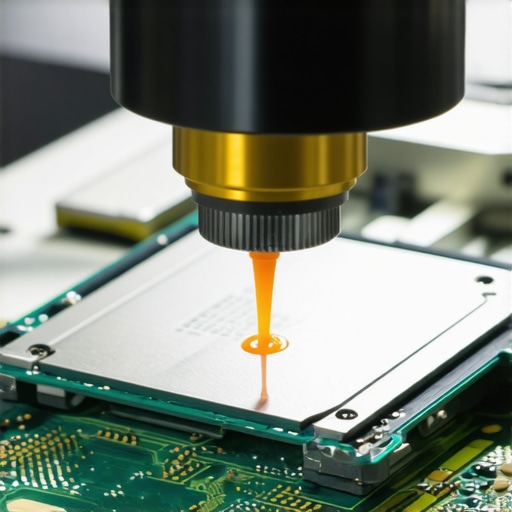
Optimizing the thermal interface requires more than just proper paste application; it hinges critically on the surface finish and flatness of the CPU die itself. High-end manufacturing employs chemical-mechanical polishing (CMP) to minimize surface roughness, ensuring intimate contact with thermal interface materials (TIM). When enthusiasts adopt such meticulous techniques—like lapping the die surface with ultrafine abrasive films—they considerably reduce micro-roughness, fostering superior heat transfer efficiency. According to a comprehensive study by the Semiconductor Equipment and Materials International (SEMI), achieving a surface flatness within 1 micron RMS substantially improves TIM contact, especially vital for multi-die architectures where heat flux dispersal is complex.
How does die surface consistency affect the long-term stability of thermal management strategies?
Consistent die surfaces enable more uniform spread and adhesion of thermal interface compounds, which directly translates into sustained thermal performance over time. Variations in surface finish can lead to uneven pressure distribution and micro-gaps that develop during thermal cycling, compromising cooling efficiency. Experts recommend routine surface inspections using optical flatness gauges and employing surface finishing protocols analogous to high-precision semiconductor manufacturing. Such practices are increasingly adopted in overclocking communities to ensure prolonged stability and efficiency, aligning with advances highlighted by leading industry research from the IEEE Transactions on Components, Packaging and Manufacturing Technology.
Innovative Application Methods for Multi-Die Configurations
Applying thermal paste accurately on CPUs with multiple dies demands an intricate approach. Segmenting application—allocating precise amounts of TIM for each die—combined with micro-dispensing tools, allows for tailored coverage aligning with die geometry and heat flux expectations. Recent developments include robots and automated dispensers modeled on industrial-grade equipment, offering unparalleled control for enthusiasts pushing system limits. Simulations utilizing computational fluid dynamics (CFD) facilitate predictive heat flow analysis, enabling precise placement and optimized quantities of thermal interface materials. According to the latest white papers from the Thermal Management Research Center (TMRC), such targeted strategies markedly diminish hotspots and micro-voids, even under overclocked conditions.
Can meticulous TIM distribution compensate for minor surface imperfections in high-density CPUs?
While exact surface finishing enhances thermal performance, minor imperfections are inevitable in practical scenarios. Advanced application techniques—like segmented, layered paste deposition and controlled spreading—serve to accommodate surface irregularities, ensuring consistent thermal contact. Materials with high thermal conductivity, such as liquid metal or carbon nanotube-infused compounds, benefit greatly from such precision. Additionally, employing tools like optical microscopes or laser profilometers allows for real-time assessment and correction, aligning with the rigorous standards set by industrial semiconductor manufacturing. This approach guarantees that even slight surface deviations do not adversely affect the thermal interface, enabling full utilization of premium TIMs’ capabilities.
Harnessing Automated Tools for Ultra-Precision Thermal Paste Deployment
The evolution of TIM application extends into automation, where micro-dispensing syringes, robotic arms, and even custom jigs replicate controlled laboratory environments. These tools ensure micro-meter level accuracy in paste thickness and distribution. For instance, integrating a high-precision optical alignment system with an automated dispenser can produce an ultra-thin, uniform layer—essential for high-performance, multi-die CPUs. Such techniques surpass manual methods, reducing human error and variability. Enthusiasts and professionals alike are increasingly adopting these innovations to push thermal boundaries, as detailed in recent guides from leading cooling equipment manufacturers. Embracing automation is not just a convenience but a necessity for achieving pinnacle thermal efficiency.
What emerging technologies promise to redefine thermal interface application in the near future?
Emerging innovations like nanoprinting and atomic layer deposition (ALD) promise unprecedented control over TIM placement, enabling sub-micron layer precision. Furthermore, multi-material dispensing systems capable of blending TIMs in real-time open avenues for customizing thermal performance based on specific die characteristics. Advances in machine learning algorithms are also guiding application techniques, optimizing layer thicknesses and spread geometries dynamically. As research in materials science progresses, new composites infused with graphene or diamond nanoparticles are poised to deliver extraordinary thermal conductivity, provided their application is equally precise. Industry insiders suggest that integrating these next-generation tools and materials could revolutionize high-performance computing thermal management, bringing benefits previously thought theoretical.
Refining Your Approach to Thermal Interface Material Application
Implementing precise and deliberate thermal paste application techniques, such as the full-spread method, can significantly improve cooling performance in high-performance PC builds. Experts highlight that meticulous coverage reduces micro-gaps, hotspots, and micro-voids, which are often the culprits behind thermal throttling during intensive workloads. Moreover, aligning application strategies with die layout and material properties ensures optimal thermal transfer, especially crucial for multi-die architectures or overclocked systems.
Leveraging Cutting-Edge Tools for Superior Precision
Advancements in application tools—like micro-dispensing syringes, automated applicators, and optical flatness gauges—offer unparalleled control over TIM distribution. These technologies enable enthusiasts and professionals to achieve ultra-thin, even layers that maximize heat conduction. Incorporating automation and precise measurement devices in your process can elevate thermal performance from average to exceptional, ensuring your cooling solution withstands the rigors of demanding workloads or overclocking.
Understanding Surface Finish and Its Impact
The importance of die surface flatness cannot be overstated. Achieving a smooth, polished die surface minimizes micro-roughness, facilitating better TIM contact and reducing micro-voids. Techniques such as chemical-mechanical polishing or careful lapping help in attaining surface finishes that approach industry standards. Regular inspection using optical flatness tools guarantees surface consistency, which directly translates into sustained, optimal thermal transfer over the lifespan of your components.
Expert Resources for Advanced Thermal Strategies
- Semiconductor Equipment and Materials International (SEMI): Offers comprehensive guidelines on die surface flatness and finishing techniques essential for high-end thermal management.
- IEEE Transactions on Components, Packaging and Manufacturing Technology: Publishes cutting-edge research on die interface optimization and micro-roughness impact on thermal performance.
- Community-driven forums and technical guides: Platforms like [Cooling Wizard](https://cooling.workstationwizard.com/) provide practical, peer-reviewed insights into advanced application and surface preparation methods.
Distilling the Essence of Precision Cooling
The core lesson for practitioners is that incremental gains in thermal interface application and surface preparation yield significant returns in cooling efficiency, stability, and component longevity. Integrating expert-approved practices with innovative tools and rigorous surface assessment sets a new standard in PC thermal management. For those committed to pushing their hardware to its limits, embracing these refined techniques isn’t optional but essential. Dive deeper into related topics and advance your cooling expertise by exploring comprehensive guides and expert insights available through reputable technical resources, ensuring your system remains cool, quiet, and reliable at all times.
,