
Unlocking the Secrets of Fan Curves and Thermal Paste for Peak PC Cooling Efficiency
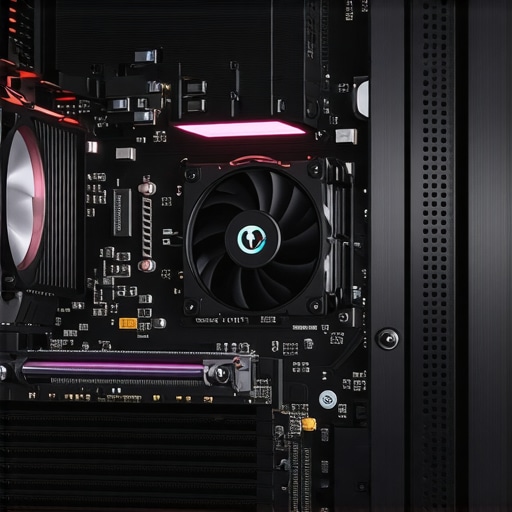
In the realm of high-performance computing, optimal thermal management is paramount. As hardware architectures become increasingly sophisticated, the nuanced interplay between fan curves and thermal paste application emerges as a critical determinant of system stability, longevity, and performance. This guide delves into advanced strategies for leveraging fan curve customization and thermal paste application to elevate your PC cooling setup to expert levels.
The Complex Dynamics of Fan Curve Optimization in Modern PCs
Fan curves are more than simple speed adjustments; they embody a dynamic response system that balances noise levels against thermal loads. By understanding the complex behavior of fan curves, enthusiasts can tailor cooling profiles that adapt to workload fluctuations, ensuring minimal noise during idle periods and maximum thermal dissipation under stress. This requires a nuanced grasp of PWM signal modulation, temperature sensor feedback loops, and the impact of airflow patterns within the case.
Advanced Thermal Paste Techniques for Superior Heat Transfer
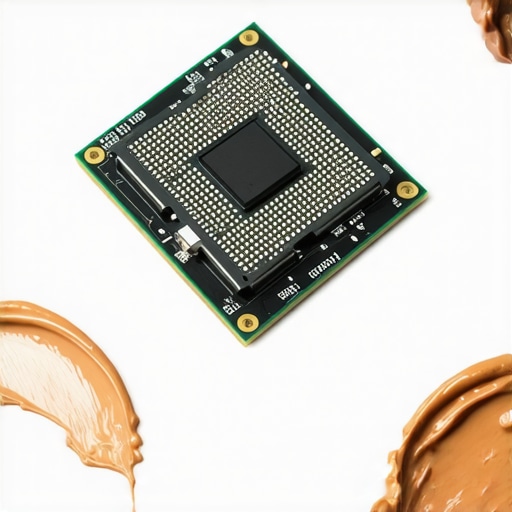
Thermal paste, or thermal interface material (TIM), plays a pivotal role in bridging microscopic surface imperfections between the CPU/GPU die and the heatsink. Proper application techniques—such as the grain-of-rice method or line application—are well-known, yet emerging research suggests that optimized layer thickness and material properties can significantly enhance heat transfer efficiency. Using high-quality pastes with superior thermal conductivity ratings, combined with precise application, ensures lower CPU temperatures and extends component lifespan.
How Do Fan Curves and Thermal Paste Interact in a Holistic Cooling Strategy?
The synergy between fan curve tuning and thermal paste application is often underestimated. An ideal thermal interface reduces the thermal load on cooling components, allowing fans to operate at lower speeds without compromising performance. Conversely, aggressive fan curves can compensate for suboptimal thermal paste application, though at the expense of increased noise. Achieving an optimal balance involves iterative testing and real-time monitoring of temperature and acoustic data, often facilitated by advanced BIOS and software tools.
What Are the Latest Innovations in Fan Control Technologies and Thermal Interface Materials?
Recent advancements include AI-driven fan control algorithms that predict thermal spikes and adjust fan speeds proactively, as well as new generations of liquid metal thermal pastes that outperform traditional compounds. These innovations are documented in recent white papers from thermal management research institutes and are accessible through industry publications. Staying informed about emerging technologies enables enthusiasts and professionals to implement cutting-edge solutions that push the boundaries of system cooling.
For those seeking to refine their cooling setup further, exploring comprehensive guides such as this expert resource on AIO and air cooler fan curves can provide valuable insights into integrated cooling strategies. Additionally, engaging with online communities and sharing empirical data fosters a collaborative environment for continuous improvement.
If you are dedicated to perfecting your PC’s thermal performance, consider consulting specialized resources and contributing your insights to the wider enthusiast community. Optimizing fan curves and thermal paste application is not merely a maintenance task but a sophisticated engineering challenge that can yield significant performance dividends.
Innovative Control Algorithms: Are AI and Machine Learning the Future of Fan and Thermal Management?
In the continual quest for optimal PC cooling, cutting-edge control algorithms are transforming how enthusiasts and professionals approach thermal management. Artificial intelligence (AI) and machine learning (ML) are increasingly integrated into BIOS and third-party software, enabling dynamic, predictive adjustments to fan speeds and thermal paste performance. These systems analyze real-time sensor data, workload patterns, and environmental variables to preemptively modulate cooling parameters, reducing noise without sacrificing thermal efficiency.
For example, AI-driven fan control algorithms can recognize thermal spikes before they manifest and adjust fan curves accordingly, maintaining a balance between silence and performance. This proactive approach surpasses traditional reactive methods, offering a tailored cooling profile that adapts to your specific hardware and usage scenarios. Industry leaders like Corsair and NZXT are already exploring these innovations, underscoring their potential to revolutionize cooling strategies. To deepen your understanding of these tech evolutions, check out expert tips on fan curve optimization and how to incorporate them into your setup.
Rethinking Thermal Paste: Are New Materials and Application Techniques Breaking Boundaries?
While traditional thermal pastes have served well, the advent of novel materials such as graphene-enhanced compounds and liquid metal interfaces is reshaping the landscape. These advanced thermal interface materials (TIMs) offer significantly higher thermal conductivity, enabling more efficient heat transfer from CPU and GPU dies to heatsinks or water blocks. However, leveraging their full potential requires precise application techniques and an understanding of their unique properties.
Emerging research indicates that applying thermal paste in ultra-thin, uniform layers—sometimes only a few micrometers thick—can drastically reduce thermal resistance. Techniques such as **streaking** or **using dedicated applicators** help achieve optimal coverage. Moreover, understanding the compatibility of these materials with your CPU socket and cooling solution is crucial to prevent corrosion or degradation over time. For comprehensive guidance, explore advanced thermal paste application methods.
Integrating innovative TIMs with dynamic fan control systems creates a synergistic cooling environment. As thermal interfaces become more efficient, fans can operate at lower speeds, reducing noise and energy consumption. This holistic approach aligns with the principles outlined in best practices for PC cooling optimization.
Harnessing AI and Machine Learning for Next-Generation Fan Control and Thermal Management
As the landscape of PC cooling evolves, the integration of artificial intelligence (AI) and machine learning (ML) into thermal management systems marks a pivotal shift towards smarter, more adaptive solutions. These technologies leverage vast datasets from real-time sensors, environmental inputs, and workload analytics to make predictive adjustments, transcending traditional reactive cooling strategies.
For instance, AI-driven algorithms can analyze temperature fluctuations and workload patterns to preemptively modulate fan speeds, ensuring that noise levels remain minimal during idle or low-intensity tasks while ramping up cooling capacity during intensive operations. This proactive approach not only enhances thermal stability but also extends component lifespan and reduces energy consumption.
Leading industry players like Corsair’s iCUE and NZXT’s CAM software are pioneering these intelligent systems, integrating deep learning models that continuously refine their control parameters based on user behavior and environmental changes. This ongoing adaptation results in a dynamic cooling profile tailored precisely to your hardware and usage habits, offering an unprecedented level of customization and efficiency.
Implementing these advanced control systems requires an understanding of their underlying architecture. Typically, they utilize neural networks trained on extensive thermal and operational data, allowing them to recognize patterns and predict thermal spikes before they occur. This predictive capability enables smoother fan curve transitions and more effective thermal interface management, especially when combined with high-performance TIMs and optimized application techniques.
What Are the Practical Challenges in Deploying AI-Driven Cooling Solutions in Custom PC Builds?
While the benefits are compelling, integrating AI and ML into your cooling strategy presents challenges. Compatibility with existing BIOS and motherboard firmware, the need for continuous data collection, and ensuring the security of control algorithms are critical considerations. Moreover, the complexity of these systems necessitates a deeper technical understanding and potentially more frequent firmware updates to maintain optimal performance.
To navigate these hurdles, enthusiasts should consult detailed manufacturer documentation and industry white papers. For example, recent studies published by the IEEE Transactions on Industrial Electronics highlight the importance of robust data security protocols and adaptable control algorithms in AI-based thermal management. Staying informed about these developments ensures your cooling system remains both cutting-edge and reliable.
Interested in elevating your PC cooling setup? Engage with specialized forums, attend industry webinars, and experiment with software that offers AI-driven customization. The future of thermal management is increasingly intelligent—and with the right tools, you can harness these innovations to achieve peak performance and silent operation in your custom build.
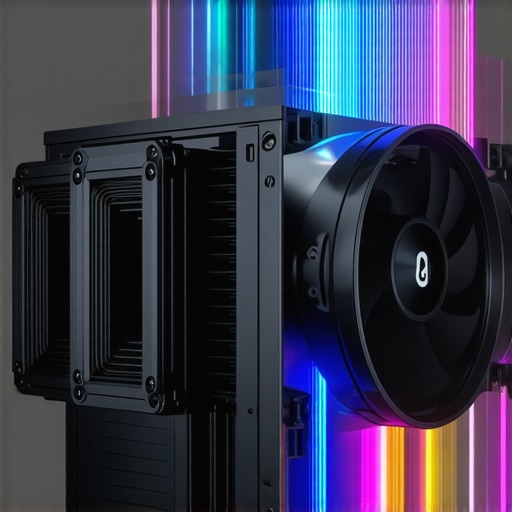
Exploring the Synergy Between Fan Profiles and Thermal Interface Materials for Optimal Cooling
In high-performance computing, the integration of sophisticated fan control algorithms with superior thermal interface materials (TIMs) represents the pinnacle of thermal management. By fine-tuning fan curves in conjunction with applying advanced TIMs, enthusiasts and professionals can achieve unprecedented thermal efficiency, reduced noise levels, and extended hardware longevity. This holistic approach necessitates a deep understanding of thermodynamics, control systems, and material science, allowing for a tailored cooling environment that adapts dynamically to workload variations.
Can Adaptive Fan Control Algorithms Revolutionize Your Cooling Strategy?
Yes, adaptive algorithms leveraging machine learning and artificial intelligence are transforming traditional cooling paradigms. These systems utilize real-time sensor data, including CPU temperature, GPU load, ambient conditions, and historical workload patterns, to predict thermal fluctuations proactively. This enables preemptive adjustments to fan speeds, minimizing thermal spikes while maintaining near-silent operation during idle states. Industry leaders such as Corsair and NZXT have integrated these intelligent systems into their latest products, underscoring their significance in modern systems. Implementing such solutions requires compatibility considerations, firmware updates, and a nuanced understanding of control theory.
Expert Insights & Advanced Considerations
1. Holistic Cooling Optimization Elevates Performance
Integrating customized fan curves with high-quality thermal paste application creates an optimized thermal environment that enhances overall system performance and extends component lifespan. Advanced control algorithms consider workload patterns, environmental factors, and component specifications to fine-tune cooling strategies, resulting in quieter operation and improved thermal stability.
2. Precision Application of TIM Is Critical
Utilizing innovative thermal interface materials like liquid metal compounds or graphene-enhanced pastes requires meticulous application techniques. Achieving ultra-thin, uniform layers minimizes thermal resistance, enabling more efficient heat transfer. Proper surface preparation and application tools are essential for maximizing these materials’ benefits.
3. Cutting-Edge Control Technologies Transform Cooling Management
AI-driven fan control systems analyze real-time sensor data to predict thermal spikes and adjust fan speeds proactively. These intelligent algorithms outperform traditional reactive methods, providing a balance between cooling efficiency and acoustic comfort. Staying abreast of industry developments ensures your system benefits from the latest innovations.
4. Embrace Emerging Materials and Techniques
New TIMs like liquid metal and graphene-based compounds are breaking conventional boundaries in thermal conductivity. When combined with adaptive fan control, they facilitate lower noise levels and higher thermal margins. Continuous research and experimentation unlock further potential in thermal management solutions.
5. Synergy Between Fan Profiles and TIMs Is Key
Optimizing fan curves in harmony with superior thermal interface applications results in a dynamic cooling ecosystem. This synergy reduces energy consumption, minimizes noise, and enhances system reliability, exemplifying advanced PC cooling mastery.
Curated Expert Resources
- Tom’s Hardware – Thermal Paste Application Guides: Provides in-depth tutorials on applying various thermal interface materials for maximum efficiency.
- Intel and AMD Official Documentation: Offers technical specifications and best practices for thermal management tailored to specific CPU architectures.
- Advanced Thermal Management White Papers: Industry publications exploring innovations in TIM materials and control algorithms.
- Manufacturers’ Firmware and Software Updates: Essential for integrating AI-driven fan control systems into custom builds.
Final Expert Perspective
Mastering fan curves and thermal paste application requires a sophisticated understanding of thermodynamics, control systems, and material science. The convergence of innovative TIMs with intelligent control algorithms represents the forefront of high-performance PC cooling. Engaging with authoritative resources and embracing emerging technologies positions enthusiasts and professionals at the cutting edge of thermal management excellence. Dive deeper into these strategies and share your insights—your expertise can redefine cooling standards in the industry.



![5 Thermal Paste 'Curing' Myths That Ruin 2026 Overclocks [Data]](https://cooling.workstationwizard.com/wp-content/uploads/2026/03/5-Thermal-Paste-Curing-Myths-That-Ruin-2026-Overclocks-Data-300x300.jpeg)

![Stop 2026 AIO Pump Hum: The 15% PWM Offset Fix [Proven]](https://cooling.workstationwizard.com/wp-content/uploads/2026/03/Stop-2026-AIO-Pump-Hum-The-15-PWM-Offset-Fix-Proven.jpeg)