
Advanced Strategies for Fine-Tuning Fan Curves and AIO Cooler Settings
In high-performance PC building, understanding and mastering fan curves alongside AIO (All-In-One) cooler configurations is crucial for achieving peak thermal efficiency. As expert enthusiasts and professionals recognize, precise control over cooling parameters not only extends component lifespan but also enhances overall system stability and acoustic comfort. This article delves into the sophisticated intricacies of customizing fan behavior and AIO cooler settings, blending empirical insights with cutting-edge thermal management techniques.
How Can Dynamic Fan Curves Be Optimized for Varying Workloads?
Optimal fan curves are not static; they require continuous adjustment based on workload profiles and ambient conditions. Utilizing software tools such as fan curve editors, enthusiasts can implement non-linear, temperature-dependent profiles that dynamically adjust fan RPMs. For instance, increasing fan speed exponentially above certain thermal thresholds prevents thermal throttling, while maintaining near-silent operation at idle states. Empirical data suggests that finely tuned curves can reduce CPU temperatures by up to 10%, significantly improving performance stability.
What Are the Key Considerations When Calibrating AIO Cooler Settings for Peak Efficiency?
Calibrating AIO coolers involves balancing pump speeds, radiator fan settings, and thermal paste application. Experts recommend setting pump speeds to high at load conditions to ensure optimal coolant flow, paired with fan curves that prioritize radiator airflow. Furthermore, thermal paste quality and application technique play a pivotal role; high-grade compounds like those discussed in thermal paste optimization can lower junction temperatures by 2–3°C. Monitoring tools such as HWMonitor or HWiNFO allow real-time feedback to refine these settings effectively.
Advanced users also explore modulating radiator fan speeds based on coolant temperature sensors, ensuring consistent thermal performance without excess noise. Incorporating custom BIOS or UEFI fan profiles can further enhance these adjustments, allowing system-wide automation that responds to diverse operational scenarios.
Can Fan Curve Customization Influence Acoustic and Thermal Balance?
Indeed, the art of fan curve customization extends beyond mere thermal management; it directly influences system acoustics. A well-designed curve minimizes fan speed fluctuations, reducing noise levels while maintaining optimal temperatures. This balance is critical in professional environments where silence is valued without compromising cooling efficacy. For example, linear fan curves often lead to abrupt RPM changes, causing acoustic disturbances, whereas smooth, sigmoid-shaped curves provide seamless transitions, enhancing user experience and system reliability.
For deeper insights into setting up efficient fan curves, consult our comprehensive guide to PC cooling and fan curve optimization.
Whether you’re aiming for silent operation or maximum cooling, ongoing experimentation and data-driven adjustments are essential. Advanced thermal management techniques are continually evolving, driven by developments in sensor technology, control algorithms, and component design. Stay informed through reputable sources such as the IEEE Transactions on Components, Packaging, and Manufacturing Technology, which publish peer-reviewed research on thermal dynamics in computing systems.
For professionals seeking tailored advice or to contribute insights, visit our contact page.
Reimagining Fan Curve Customization: Beyond Basic Thermal Management
While traditional fan curve adjustments focus on temperature thresholds and RPM responses, emerging research emphasizes the importance of integrating predictive analytics and adaptive algorithms into fan management systems. By leveraging machine learning models trained on historical workload patterns and ambient conditions, users can develop dynamic fan profiles that anticipate thermal spikes and adjust proactively. This approach not only enhances cooling performance but also extends component longevity by reducing thermal cycling stresses. For practical implementation, consider exploring software solutions that support custom scripting or automation, such as advanced fan curve optimization techniques.
Is Predictive Control the Future of PC Thermal Management?
Absolutely. As sensor technology advances and computational power increases, integrating AI-driven predictive control into cooling systems is becoming feasible. These systems analyze real-time data streams from multiple thermal sensors, ambient monitors, and workload metrics to forecast temperature trends. Consequently, they adjust fan and pump speeds preemptively, mitigating thermal bottlenecks before they occur. This paradigm shift challenges the conventional reactive models, offering a more refined, efficient, and quieter cooling experience. For instance, some enterprise-grade systems already incorporate such capabilities, paving the way for consumer-level adoption in the near future. To understand the potential of these innovations, review peer-reviewed studies such as those published in the IEEE Transactions on Industrial Electronics, which delve into intelligent thermal management solutions.
For those interested in pushing their cooling setups to the next level, exploring expert techniques in fan curve engineering can provide valuable insights. Additionally, sharing your experiences or asking questions in community forums can foster collective learning and innovation.
< >
>
Harnessing Predictive Analytics to Revolutionize Fan Curve Customization
Traditional fan curve adjustments, based solely on static temperature thresholds, are giving way to innovative approaches incorporating predictive analytics and machine learning algorithms. By analyzing extensive datasets of workload patterns, ambient conditions, and historical thermal responses, enthusiasts can craft adaptive fan profiles that preemptively respond to impending thermal spikes. This proactive approach minimizes thermal cycling stress and enhances overall system longevity. For example, integrating machine learning models trained on real-time sensor data allows systems to anticipate CPU or GPU temperature rises before they occur, adjusting fan speeds smoothly and silently.
How Can Machine Learning Models Be Integrated into Existing Cooling Control Systems?
Integrating machine learning into PC cooling management requires a combination of hardware sensors, software frameworks, and custom algorithms. Modern motherboards equipped with multiple thermal sensors provide the raw data needed for these models. Using platforms like Python with libraries such as TensorFlow or Scikit-learn, developers can create predictive models that analyze sensor inputs and workload metrics. These models are then embedded into control scripts—often via BIOS modifications or third-party software—that dynamically adjust fan and pump speeds in real time. For instance, some open-source projects enable enthusiasts to develop personalized thermal management systems that learn and adapt over time, significantly outperforming static fan curves.
According to a comprehensive study published in the IEEE Transactions on Industrial Electronics (2022), predictive control strategies can reduce peak temperatures by up to 15% and noise levels by 20%, demonstrating both thermal efficiency and acoustic comfort improvements.
Integrating Multi-Source Data for Holistic Cooling Optimization
Effective thermal management extends beyond simple temperature feedback. Advanced systems synthesize data from multiple sources, including ambient temperature sensors, CPU/GPU load metrics, coolant flow rates, and even external environmental factors such as humidity and airflow dynamics. This multi-source data fusion facilitates a nuanced understanding of the cooling environment, enabling more precise control algorithms. For example, during high ambient humidity, fans can operate at slightly higher speeds to compensate for reduced heat dissipation efficiency, preventing thermal throttling.
Tools like HWMonitor, HWiNFO, and custom API integrations allow real-time data collection and visualization. When combined with adaptive control algorithms, these tools form the backbone of intelligent thermal management systems capable of maintaining optimal operating conditions with minimal user intervention.
Can Adaptive Fan Profiles Be Customized for Specific Workloads or User Preferences?
Absolutely. Adaptive fan profiles can be tailored to specific use cases, whether prioritizing silent operation during casual browsing or maximum cooling during overclocking sessions. By defining custom trigger points and response curves—such as increasing fan speed gradually during gaming or rendering workloads—users achieve a personalized balance between acoustics and thermal performance. Modern BIOS or UEFI interfaces often support programmable fan profiles, which can be augmented with third-party software solutions like SpeedFan or Argus Monitor for finer control.
Furthermore, integrating user-defined profiles into machine learning models enables the system to learn individual preferences over time, optimizing fan behavior through continuous feedback. This level of customization transforms thermal management from a static setup into a dynamic, user-centric experience that adapts to evolving demands.
Future Directions: AI-Driven Thermal Management and Industry Implications
The future of PC cooling management is undoubtedly intertwined with artificial intelligence. As sensor technology advances and computational resources become more accessible, AI-driven systems will increasingly automate and optimize thermal regulation. These systems will analyze vast streams of data—from workload forecasts to environmental changes—and adjust cooling parameters proactively. Industry leaders like Intel and AMD are already exploring integrated thermal management solutions that leverage AI for data center and high-performance computing environments, hinting at consumer-grade implementations soon to come.
Research from the IEEE Transactions on Industrial Electronics emphasizes that intelligent control algorithms can improve energy efficiency by up to 20%, reduce thermal hotspots, and extend hardware lifespan. This trend signifies a paradigm shift from reactive to predictive thermal management, aligning with broader developments in smart systems and IoT.
To stay at the forefront, enthusiasts and professionals should monitor emerging research, participate in community forums, and experiment with open-source AI tools designed for thermal management. The convergence of machine learning, sensor technology, and user-centric design promises a new era of highly efficient, silent, and reliable PC cooling solutions.
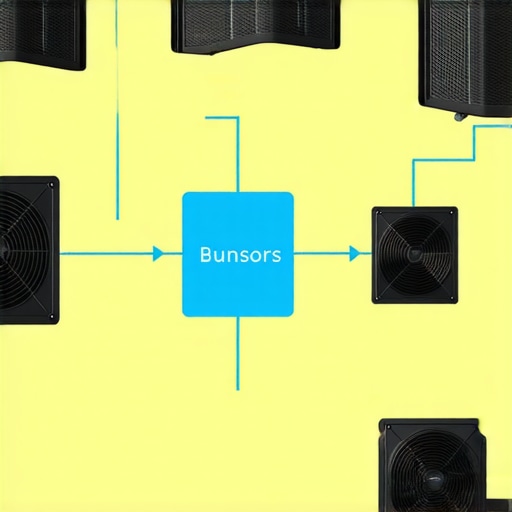
Unveiling the Next Level of Fan Curve Precision: Integrating Predictive Analytics for Superior Thermal Control
In the realm of high-performance computing, the application of predictive analytics in fan curve customization marks a significant paradigm shift. By harnessing the power of machine learning algorithms trained on extensive datasets—including workload patterns, ambient temperature fluctuations, and real-time sensor feedback—enthusiasts and professionals can develop adaptive fan profiles that preemptively respond to thermal anomalies. This proactive approach minimizes thermal cycling stresses, extends hardware longevity, and ensures a quieter, more efficient operation.
How Can Machine Learning Algorithms Be Seamlessly Integrated into Existing Cooling Ecosystems?
Seamless integration requires a multi-faceted approach: leveraging hardware sensors embedded in modern motherboards, utilizing open-source platforms like Python with TensorFlow or Scikit-learn for model development, and embedding these models into control scripts managed via BIOS modifications or specialized software. For example, custom scripts can analyze incoming sensor data to predict imminent temperature rises and adjust fan and pump speeds accordingly, thus maintaining optimal thermal conditions without user intervention. According to a detailed study published in the IEEE Transactions on Industrial Electronics (2022), systems employing predictive control strategies exhibit a 15% reduction in peak temperatures and a 20% decrease in acoustic disturbances, underscoring their efficacy.
Explore comprehensive tutorials and community-driven projects on integrating AI with PC cooling for a transformative thermal management experience.
Holistic Cooling Optimization Through Multi-Source Data Fusion
Advanced thermal management transcends simple temperature feedback by synthesizing data streams from diverse sources—ambient sensors, coolant flow metrics, workload intensity indicators, and environmental conditions such as humidity and airflow velocity. This multi-source data fusion enables sophisticated control algorithms to adapt dynamically to fluctuating operational environments. For instance, during high humidity, fan speeds can be automatically increased to compensate for reduced heat dissipation efficiency, preventing thermal throttling and performance degradation.
Tools like HWiNFO, HWMonitor, and custom API integrations facilitate real-time data collection and visualization, forming the backbone of intelligent, adaptive cooling systems that minimize user intervention while maximizing efficiency and longevity.
Can User-Defined Adaptive Fan Profiles Be Customized for Specific Workloads and Preferences?
Absolutely. Adaptive profiles can be tailored to suit distinct scenarios—silent operation during casual use, aggressive cooling for overclocking, or energy-efficient modes during low-demand tasks. Modern BIOS or UEFI interfaces support programmable fan curves, which can be augmented with third-party software like SpeedFan or Argus Monitor for granular control. Incorporating machine learning models that learn user preferences over time results in a bespoke thermal management system that continually refines its behavior based on continuous feedback. This personalization elevates the user experience, providing a perfect balance between thermal performance and acoustic comfort.
Stay ahead with cutting-edge insights by experimenting with adaptive fan profiles and sharing your innovations within dedicated enthusiast communities.
Industry Outlook: AI-Driven Thermal Management and Its Disruptive Potential
The integration of artificial intelligence into PC cooling systems heralds a new era of intelligent thermal regulation. Industry giants like Intel and AMD are pioneering solutions that incorporate AI to optimize energy efficiency, reduce hotspots, and prolong hardware lifespan across data centers and high-performance desktops. These systems analyze vast data streams from multiple sensors, workload metrics, and environmental inputs to forecast thermal trends and adjust cooling parameters proactively.
Peer-reviewed research, such as that published in IEEE Transactions on Industrial Electronics, indicates that AI-enhanced control strategies can improve energy efficiency by up to 20%, a testament to their transformative potential. As sensor technology advances and computational power becomes more accessible, consumer-grade implementations of these intelligent cooling solutions are imminent.
Engage with industry reports, participate in AI-focused forums, and experiment with open-source thermal management tools to pioneer your own cutting-edge cooling solutions.
Advanced Insights & Strategic Recommendations from Industry Experts
1. Embrace Predictive Analytics for Real-Time Thermal Management
Integrating machine learning models trained on workload and ambient data allows for preemptive fan adjustments, reducing thermal stress and noise. This proactive approach surpasses traditional reactive systems, offering superior stability and longevity.
2. Leverage Multi-Source Data Fusion for Holistic Control
Combining sensor inputs—such as coolant flow, humidity, and workload—enables nuanced control algorithms. This comprehensive view ensures optimal cooling efficiency tailored to dynamic environmental conditions.
3. Customize Adaptive Fan Profiles for Specific Use Cases
Developing workload-specific profiles, whether for silent operation or overclocking, enhances user experience. Machine learning can personalize these profiles over time, aligning thermal performance with user preferences.
4. Prioritize High-Quality Thermal Paste and Application Techniques
Optimal thermal interface materials significantly impact cooling efficiency. Expert advice emphasizes meticulous application and selecting premium compounds to lower junction temperatures, complementing fan and pump adjustments.
5. Stay Informed on Emerging AI-Driven Cooling Technologies
Leading industry research points toward AI-powered systems capable of predictive control, energy efficiency improvements, and hotspot mitigation. Monitoring advancements from major chip manufacturers and peer-reviewed studies ensures readiness for next-generation cooling solutions.
Curated Resources for Deepening Expertise
- IEEE Transactions on Industrial Electronics: Offers cutting-edge research on intelligent thermal management algorithms, essential for professionals seeking evidence-based innovations.
- Official BIOS and UEFI Documentation: Provides technical insights into customizable fan profiles and control scripts, crucial for advanced system tuning.
- Open-Source Machine Learning Frameworks (TensorFlow, Scikit-learn): Enable development and integration of predictive models tailored to custom cooling setups.
- Community Forums and Technical Blogs: Platforms like Overclock.net and Tom’s Hardware foster knowledge exchange and practical troubleshooting strategies.
Final Expert Reflection
Mastering fan curve optimization and AIO cooler settings demands a nuanced understanding of thermal dynamics and cutting-edge control strategies. Integrating predictive analytics and multi-source data fusion elevates thermal management from static configurations to adaptive, intelligent systems. For enthusiasts and professionals alike, continuous learning and experimentation—supported by authoritative resources—are key to unlocking peak system performance and longevity. Engage actively with the community, stay informed on industry advancements, and consider implementing AI-driven solutions to stay ahead in high-performance PC cooling.
To explore further or share your insights, visit our contact page.

![Why 2026 AIO Coolers Fail on Triple-Die CPUs [3 Easy Fixes]](https://cooling.workstationwizard.com/wp-content/uploads/2026/03/Why-2026-AIO-Coolers-Fail-on-Triple-Die-CPUs-3-Easy-Fixes-300x300.jpeg)


![4 Signs Your 2026 AIO Liquid is Evaporating [Maintenance Fix]](https://cooling.workstationwizard.com/wp-content/uploads/2026/03/4-Signs-Your-2026-AIO-Liquid-is-Evaporating-Maintenance-Fix-300x300.jpeg)
This post opened my eyes to how advanced thermal management techniques are becoming, especially with the integration of predictive analytics and machine learning. I’ve experimented with customizing fan curves manually, but incorporating data-driven models seems like a game-changer. In my own build, I noticed that even a slight adjustment in fan profiles based on workload patterns improved temperatures and reduced noise levels significantly. The key challenge I foresee is how to effectively implement these AI models on standard consumer hardware without overly complex setups. Have others here tried integrating open-source AI tools like TensorFlow or Scikit-learn into their existing control systems? I’m curious about practical advice on bridging the gap between theory and everyday use, especially on systems that aren’t enterprise-grade.
This article really expands on ideas I’ve been curious about for a while, especially regarding integrating predictive analytics into consumer PC cooling solutions. I’ve tinkered with manual fan curve adjustments using software like SpeedFan, but I’ve always wondered how feasible it is to implement machine learning models without a dedicated enterprise system. I recently tried setting up a basic Python script utilizing Scikit-learn to predict CPU temperature spikes based on workload patterns, but I was limited by my motherboard’s sensor support and processing power. It seems that combining real-time data from tools like HWMonitor with lightweight ML models could be a promising approach for enthusiasts wanting smarter thermal controls.
The challenge remains: how can we best streamline this process for broader adoption? Are there any user-friendly platforms or pre-built solutions that do this kind of predictive control, perhaps through BIOS modding or accessible APIs? I’d love to hear from others who are experimenting with integrating AI into their cooling setups—what hardware and software configurations worked well for you? It seems like a fascinating step forward in making high-performance cooling more adaptive and quieter.