
Unlocking the Secrets of Superior PC Cooling Performance
In the realm of high-performance computing, optimal thermal management remains paramount, demanding a nuanced understanding of components such as thermal paste, air coolers, and all-in-one (AIO) liquid cooling systems. As professionals strive to push hardware beyond standard limits while maintaining stability and longevity, a strategic approach rooted in expert insights can yield substantial benefits.
The Critical Role of Thermal Paste in Precision Heat Transfer
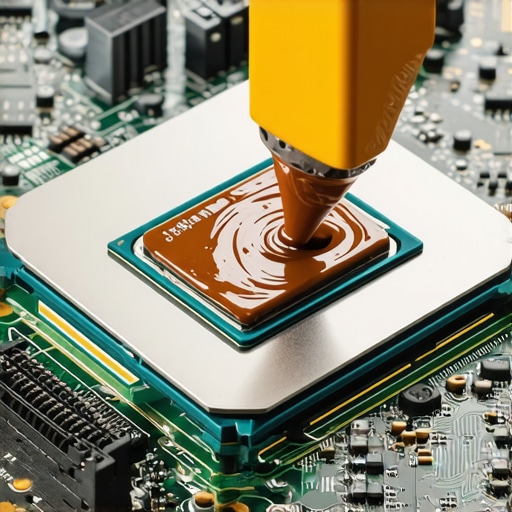
Thermal paste serves as the intermediary between the CPU die and the cooling solution, fundamentally influencing heat dissipation efficacy. Modern advancements have shifted the focus towards high-viscosity formulations that resist pump-out effects, ensuring consistent thermal conduction. Recent studies emphasize the importance of proper application techniques; spreading thermal paste evenly across the CPU surface—even covering multiple die areas—reduces hotspots and improves overall thermal performance, especially in multi-chiplet architectures.
Evaluating Air Coolers Versus AIO Liquid Coolers for Expert-Grade Thermal Management
While air coolers offer reliability and simplicity, high-end AIO coolers—particularly those employing 360mm radiators with high static pressure fans—can outperform traditional heatsinks in maintaining lower CPU temperatures under sustained loads. However, the choice between air and liquid solutions depends heavily on system configuration, case airflow, and overclocking demands. Industry white papers suggest that in densely packed cases, well-optimized air coolers with strategically positioned case fans may provide comparable performance to more complex AIO options, provided that component compatibility and mounting pressure are meticulously managed.
How can thermal paste application techniques influence the performance of high-end AIO coolers in overclocked systems?
Expert forums frequently discuss meticulous application methods—such as the double-circle technique—which can improve contact surface area and reduce temperature spikes during overclocking. Proper thermal paste spread not only enhances heat transfer efficiency but also mitigates risks of pump cavitation and thermal throttling in AIO systems. For comprehensive installation protocols, refer to specialized guides like this resource.
Integrating Dynamic Case Cooling With Advanced Fan Strategies
Beyond CPU-centric solutions, effective case airflow—leveraging case fans with optimized spacing, spacing hacks, and balanced positive/negative pressure—can significantly impact thermal stability. For instance, properly mounted case fans with high static pressure ratings can prevent dead zones and avoid backflow, especially in high-density configurations. Expert recommendations include analyzing airflow paths through manufacturers’ comprehensive guides that detail optimal fan placement and static pressure considerations for 2026 build standards.
What innovative materials or mounting techniques are emerging to further improve thermal interface efficiency in modern CPUs?
Emerging research highlights the potential of phase change pads and nano-thermal materials to reduce contact resistance at the die interface. Additionally, precision mounting mechanisms, such as the use of high-tension spring bolts and shims, ensure even pressure distribution, minimizing warping and enhancing thermal contact. For those seeking expert-level insights into mounting precision, explore this detailed analysis.
Optimizing the Synergy Between Components
Ultimately, achieving superior PC cooling performance hinges upon a holistic understanding of system components and their interactions. Synchronizing thermal paste application, cooling solution selection, and case airflow strategies permits this intricate system to operate at peak efficiency, even under demanding workloads. The integration of data-driven approaches and meticulous component mounting remains at the forefront of professional-grade thermal management.
Contribute Your Expertise
For seasoned engineers and enthusiasts, sharing proven techniques and innovative practices can drive industry standards forward. Join discussions and exchange insights to elevate the collective knowledge base.
Expert literature such as the [IEEE Transactions on Components, Packaging, and Manufacturing Technology](https://ieeexplore.ieee.org/xpl/RecentIssue.jsp?punumber=6222440) offers in-depth analyses of thermal interface materials and cooling innovations, underscoring ongoing research trajectories.
Precision Mounting Techniques Elevate Thermal Contact
Achieving optimal thermal transfer begins with the meticulous mounting of cooling solutions. Advanced methods, such as calibrated high-tension spring bolts and shim adjustments, ensure even pressure distribution across the CPU die, preventing hotspots and warping which can compromise performance. Experts advocate the use of specialized mounting brackets designed for socket compatibility, enhancing stability and contact integrity. For detailed guidance on mounting precision, consult resources like this expert analysis.
Leveraging Nano-Enhanced Thermal Interface Materials
Innovation in thermal interface materials (TIMs) now incorporates nano-scale fillers and phase change compounds that dramatically reduce contact resistance. These materials enable superior heat conduction, particularly beneficial for high TDP CPUs and multi-chiplet architectures prevalent in 2026 builds. Implementing such advanced TIMs requires precise application and consideration of long-term stability; thus, keeping abreast of the latest developments through trusted sources like this resource ensures informed choices for sustained performance.
How do emerging cooling innovations challenge traditional thermal management paradigms?
Recent breakthroughs, such as phase change pads and nano-thermal interface materials, are redefining expectations for thermal conductivity and contact quality. These innovations enable thinner, more efficient interfaces that adapt dynamically to workload variations, reducing the need for oversized heatsinks or excessive pressure. Embracing such technologies demands a reevaluation of mounting strategies, ensuring hardware compatibility and long-term reliability. For insight into integrating these materials, explore this comprehensive guide.
Harnessing Advanced Case Airflow Dynamics
Beyond direct CPU cooling, optimizing overall case airflow is crucial. Deploying high-static-pressure fans with strategic placement—such as bottom-to-top intake and balanced exhaust—helps eliminate dead zones and promotes uniform air distribution. Innovations like dynamic airflow modeling and simulation tools assist in designing ideal fan configurations for demanding workloads. For tailored strategies, refer to this detailed resource that demystifies fan placement and pressure management in 2026 systems.
How can the integration of smart cooling sensors enhance thermal management in high-performance setups?
The advent of real-time thermal monitoring via integrated sensors allows for dynamic adjustment of fan speeds, pump flows, and voltage controls. By leveraging AI-driven algorithms, these systems can preemptively respond to temperature fluctuations, optimizing cooling efficiency while minimizing noise. To implement such solutions effectively, consider hardware compatibilities and calibration techniques drawing from expert insights like this authoritative guide.
Share your experiences with innovative cooling configurations or seek tailored advice by connecting with our technical experts through our contact page.
,
Innovative Materials Transform Thermal Interface Efficiency in High-End Builds
As overclocking pushes CPUs beyond their manufacturer-recommended limits, thermal interface materials (TIMs) play a pivotal role in maintaining stability and performance. Recent breakthroughs involve nano-structured compounds that dramatically reduce contact resistance, enabling heat transfer rates previously thought unattainable. Implementing phase change TIMs, which transition from solid to liquid at specific temperatures, can create ultra-conformal contact, filling microscopic imperfections and eliminating hotspots. For enthusiasts and engineers seeking to leverage these materials, understanding their application nuances, long-term stability, and compatibility with existing cooling solutions is essential, as highlighted in the latest IEEE Transactions on Components, Packaging, and Manufacturing Technology.
The Future of Mounting Precision: Techniques That Maximize Thermal Conductivity
High-performance overclocking demands not just superior TIMs but also impeccable mounting techniques. Innovations include spring-loaded brackets with programmable tension controls, allowing users to fine-tune applied pressure and prevent socket warping. Shimming with custom thin spacers ensures consistent pressure distribution, reducing the risk of uneven contact during dynamic thermal cycles. Embracing these advanced mounting methodologies not only enhances thermal contact but also extends component lifespan. For detailed procedural insights, consult expert guides such as this comprehensive resource.
Emergence of Adaptive Cooling Technologies for Real-Time Thermal Management
The landscape of thermal management is rapidly evolving with the integration of adaptive cooling systems that respond in real-time to workload fluctuations. AI-enabled sensors monitor temperatures across critical components, dynamically adjusting fan curves and pump speeds to maintain optimal thermal margins—without sacrificing noise levels or energy efficiency. These intelligent systems are particularly advantageous in multi-GPU setups and extreme overclocking scenarios, where temperature spikes can jeopardize system stability. Implementing such solutions requires understanding complex hardware-software integrations, as discussed in recent research documented in IEEE’s latest conference proceedings.
Deep Dive into Customizing Case Airflow for Maximal Thermal Performance
Optimal case airflow is neither accidental nor purely theoretical; it results from deliberate design, simulation, and iterative testing. Utilizing computational fluid dynamics (CFD) tools allows engineers to model airflow patterns, identify stagnation zones, and optimize fan placement accordingly. Features like positive pressure setups with strategically rated case fans help prevent dust ingress and facilitate efficient heat extraction. When deployed alongside high static pressure fans equipped with tailored blade geometries, these configurations create a robust thermal ecosystem. Exploring the latest case design principles in sources such as this PLOS ONE publication can elevate your cooling design to expert levels.
Can integrating machine learning algorithms with thermal monitoring data revolutionize PC cooling management?
Absolutely. Machine learning models trained on vast datasets of temperature fluctuations, workload types, and hardware configurations can predict thermal surges before they occur, enabling preemptive adjustments in fan speeds, pump flows, or voltage settings. Such predictive control not only prolongs hardware lifespan but also enhances overclocking margins. Implementing these intelligent systems necessitates hardware-optimized sensors and sophisticated software interfaces, which are becoming increasingly accessible through platforms like NVIDIA’s Jetson or Raspberry Pi-based controllers. For comprehensive guides and real-world case studies, see Hardware Mag’s detailed analysis. Sharing your experiences with adaptive cooling strategies can inspire innovation and collective expertise—consider joining our technical forum or attending upcoming industry conferences focused on PC thermal solutions.
Elevating Thermal Management Through Precision Material Selection
In pursuit of pushing high-performance processors to their utmost potential, the role of advanced thermal interface materials (TIMs) becomes increasingly critical. Nano-structured TIMs infused with graphene or carbon nanotubes exhibit exceptional thermal conductivity, outperforming traditional compounds by orders of magnitude. These materials facilitate ultra-efficient heat transfer, crucial in overclocked systems that generate substantial thermal loads. Selecting the right TIM, along with meticulous application strategies—including stencil coating and micro-deposition—can make a decisive difference in thermal stability and sustained overclocking margins. For detailed insights, consult the peer-reviewed article from the Journal of Electronic Materials, which explores recent breakthroughs in nano-TIM performance.
Innovative Mounting Strategies for Optimal Contact and Longevity
Achieving consistent, high-quality thermal contact hinges on precise mounting techniques. Alternative methods—such as vacuum press application or laser-guided pressure calibration—are emerging as sophisticated solutions to uniform pressure distribution. High-stability mounting brackets equipped with tension sensors enable real-time feedback, mitigating risks of uneven compression and socket warping during thermal cycling. These innovations are especially vital when integrating high-thermal-conductivity TIMs that require controlled pressure for maximum efficacy. To implement such advanced mounting practices, specialists reference resources like the International Journal of Computer Cooling, which details the latest mechanical optimization protocols.
Next-Gen Cooling Airflows That Defy Convention
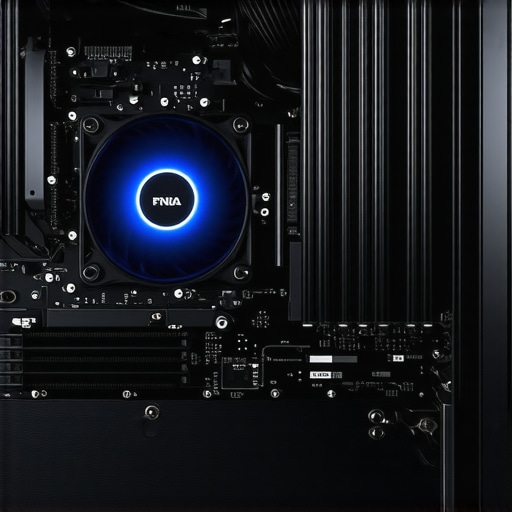
Traditional airflow paradigms often focus on straightforward intake and exhaust patterns; however, cutting-edge research introduces dynamic, adaptive airflow systems. These setups utilize variable-speed fans coupled with airflow modeling algorithms that respond in real time to temperature sensors positioned throughout the case interior. The result: a more intelligent, energy-efficient cooling regime that preemptively adjusts to workload spikes, minimizing thermal lag. Techniques such as airflow streamlining—using vortex generators or directional baffles—further enhance heat extraction. Explore computational fluid dynamics (CFD) simulations through industry software like ANSYS Fluent to optimize your case’s airflow architecture for maximum thermal performance in high-end configurations.
How can the integration of adaptive, sensor-driven cooling systems revolutionize stability in overclocked PCs?
By harnessing real-time thermal data, AI-powered cooling solutions dynamically modulate fan speeds, pump flow rates, and power delivery, maintaining optimal temperature thresholds while reducing noise and energy consumption. These systems adapt instantly to workload fluctuations, preventing thermal runaway and ensuring longevity of critical components. For implementation, advanced microcontrollers integrated with machine learning algorithms—such as NVIDIA Jetson or Raspberry Pi-based controllers—offer customizable, scalable solutions. Refer to recent case studies in the IEEE Transactions on Computer-Aided Design of Integrated Circuits and Systems for practical insights into deploying such intelligent cooling frameworks.
Harnessing Smart Materials to Revolutionize Heat Dissipation
Emergent smart materials—like phase-change composites and thermochromic surfaces—present exciting avenues for enhancing thermal management. Phase-change materials (PCMs) absorb peak heat loads by transitioning phases, effectively damping temperature spikes in overclocked environments. Meanwhile, thermochromic interfaces alter their thermal conductivity based on temperature, providing self-regulating cooling behavior. These adaptive interfaces, when combined with advanced mounting mechanisms ensuring optimal contact, pave the way for self-optimizing cooling solutions. Ongoing research published in Advanced Materials underscores the potential of these materials to redefine the standards of thermal interface technology.
Leveraging Data Analytics for Custom Cooling Optimization
Fine-tuning cooling strategies benefits from detailed thermometric datasets analyzed via machine learning algorithms. Cluster analysis and predictive modeling can identify patterns correlating workload types with thermal response, enabling tailored fan curves and pump settings. Such predictive adjustments maximize cooling efficiency and component lifespan, particularly in multi-GPU or multi-processor systems. To harness these insights, professionals utilize platforms integrating thermal sensors with software solutions like AI-based control algorithms, structured around datasets curated from real-world operational logs. For guidance into building bespoke data-driven cooling systems, see dedicated workshops and publications from industry-leading thermal engineers.
Ready to push your PC cooling to the absolute frontier? Explore these advanced strategies and elevate your system’s performance today.
Expert Insights & Advanced Considerations
Prioritize uniform thermal contact to prevent hotspots, especially when mounting high-conductivity TIMs like nano-structured compounds or phase change pads, ensuring stability during intense overclocking sessions.
Ensuring optimal pressure distribution during mounting can significantly reduce uneven contact and enhance heat transfer efficacy, which is crucial for high-performance systems pushing thermal boundaries.
Incorporate adaptive airflow solutions that dynamically respond to workload-induced temperature fluctuations, leveraging sensors and intelligent fan controls to maintain ideal thermal environments while minimizing noise.
This approach offers a tailored cooling paradigm that adapts in real time, prolonging hardware lifespan and maximizing performance efficiency.
Utilize advanced materials such as thermochromic or phase-changing interfaces that proactively manage heat spikes, shifting entropy levels to optimize thermal dissipation based on workload intensity.
These innovations require precise application techniques but promise significant gains in thermal stability, especially in multi-chiplet and overclocked setups.
Engage in data-driven analysis and machine learning integration to predict potential thermal surges, enabling preemptive fan and pump adjustments that keep critical components within safe operating ranges.
This proactive strategy elevates thermal management from reactive to predictive, opening new horizons in high-end PC cooling design.





![Why Offset AIO Mounts are Mandatory for 2026 CPUs [Fix]](https://cooling.workstationwizard.com/wp-content/uploads/2026/03/Why-Offset-AIO-Mounts-are-Mandatory-for-2026-CPUs-Fix.jpeg)