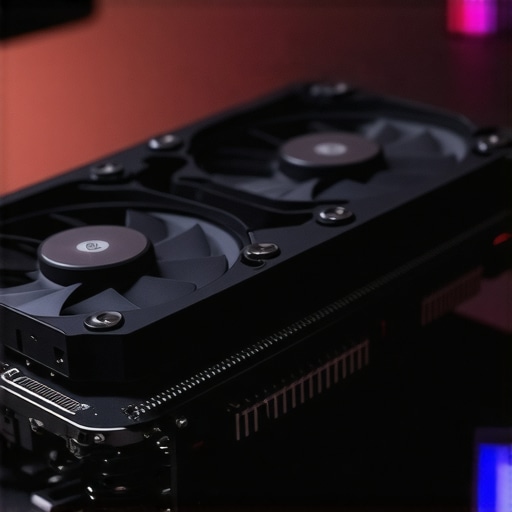

Revolutionizing Thermal Management: The Future of PC Cooling Systems
In the realm of high-performance computing, thermal regulation remains a critical determinant of system stability and longevity. As hardware components become increasingly powerful, innovative cooling solutions such as all-in-one (AIO) liquid coolers and high-efficiency air coolers are evolving to meet these demands. Understanding the nuances of these technologies enables enthusiasts and professionals to design cooling architectures that maximize efficiency while minimizing noise and energy consumption.
Deciphering Thermal Dynamics: Why a Holistic Approach Outperforms Traditional Methods
Effective cooling transcends simplistic fan speed adjustments or generic paste application. Experts recognize that thermal hotspots, airflow patterns, and component placement significantly influence temperature profiles. Implementing best practices, such as optimizing case airflow with case fans and strategic radiator mounting, can dramatically improve thermal dissipation. For instance, integrating side-mounted radiators and positive pressure configurations can reduce dust ingress and enhance thermal performance, as discussed in our comprehensive guide to case fan selection.
All-in-One Liquid Coolers Versus High-Performance Air Coolers: An Expert Comparison
Recent benchmarks indicate that high-end air coolers are now challenging traditional AIO liquid cooling in terms of thermal efficiency, especially for high TDP CPUs. Factors such as radiator thickness, fan pressure, and link flow dynamics are crucial in this comparison. For example, dual tower air coolers with advanced fin stacks often outperform 240mm AIOs in sustained load scenarios, as highlighted in top AIO liquid cooler tests. This shift underscores the importance of tailored airflow strategies and thermal interface material optimization.
Unveiling the Complexities of Thermal Paste Application in Modern CPUs
Precisely applying thermal paste remains a cornerstone of effective CPU cooling. Techniques that leverage broader spread patterns, such as the honeycomb method, have demonstrated superior thermal contact, especially for multi-die CPUs. It’s essential to consider the thermal paste’s curing process and potential for dry-out over time, which can cause performance dips. Staying abreast of the latest research, such as thermal paste application advances, empowers users to extend their cooling solution’s lifespan and stability.
Are Custom Mounting and Maintenance Techniques the Missing Links in Your Cooling Strategy?
An often overlooked aspect involves precise mounting techniques, such as offset or reverse mounting of AIO radiators, which can resolve bottlenecks like hot spots or uneven flow. Regular maintenance, including fluid level checks and pump speed adjustments, prevents thermal degradation. Considering these factors, along with integrating superior case fans that generate static pressure, can result in a cooling ecosystem that supports overclocking and high TDP workloads without compromising system integrity.
How Can Advanced Fan Curve Management Prevent GPU and CPU Throttling During Peak Loads?
Properly calibrated fan profiles are vital in controlling thermal hotspots and preventing throttling, particularly in overclocked systems or dense builds. Dynamic fan curves tailored to workload profiles can mitigate temperature spikes, as explored in case fan curve optimization strategies. Implementing smart fan control solutions ensures that cooling is adaptive, noise is minimized, and hardware longevity is preserved.
For a deeper dive into expert cooling configurations and optimization techniques, visit this detailed analysis of mounting strategies. Your insights and practical experiences are invaluable in pushing the boundaries of efficient thermal management in modern custom PC builds.
Maximizing Heat Dissipation Through Creative Radiator Placement
Optimizing radiator mounting positions can significantly impact thermal performance, particularly when dealing with high TDP CPUs in 2026 systems. The traditional top-mounted radiator setup isn’t always the most effective, especially in cases where airflow paths are constrained or hot air recirculates. Experimenting with side-mounted or bottom-mounted radiators, combined with positive pressure configurations, can lead to lower CPU and GPU temperatures. For instance, rear or side mounting radiators allows for better airflow channels, reducing thermal bottlenecks and facilitating more efficient coolant heat transfer, as examined in our discussion on radiator placement.
Incorporating Reverse-Flow and Offset Techniques for Superior Cooling
Emerging research indicates that reverse-flow configurations in AIO coolers help eliminate hotspots by ensuring uniform coolant distribution. Similarly, offset mounting methods, which position the radiator slightly away from the case surface, can enhance airflow velocity over the fins, increasing static pressure and heat dissipation. These techniques are particularly advantageous in tightly packed systems or cases with restrictive airflow paths, ensuring that every thermal component operates within optimal temperature ranges without excessive noise levels. Want to learn the step-by-step process for customizing your radiator setup? Check out the detailed guide at this comprehensive resource.
Could adaptive mounting solutions revolutionize high-performance cooling in compact PC builds?
As hardware components continue to evolve, the demand for flexible and efficient cooling solutions grows exponentially. Adaptive mounting methods that can dynamically shift radiator angles or incorporate modular brackets may unlock new levels of thermal efficiency, especially in small form factors and all-in-one water cooling systems. These innovations could also mitigate issues caused by case design limitations and airflow obstructions, challenging the notion that one-size-fits-all mounting is sufficient for peak performance. To explore more about innovative mounting hardware and its potential impact, visit our insights on mounting innovations.
If you’re interested in sharing your mounting experiments or seeking tailored advice on radiator positioning, feel free to reach out via our contact page. Staying at the forefront of cooling advancements requires continuous testing, community feedback, and expert knowledge—so don’t hesitate to contribute your findings or ask questions to optimize your system’s performance!
,
Elevate Your Cooling Game with Dynamic Loop Integration
To achieve unparalleled thermal performance, integrating dynamic cooling loops that adapt to workload fluctuations transforms traditional cooling paradigms. By implementing variable pump speeds linked to real-time temperature sensors, enthusiasts can fine-tune coolant flow rates, thereby reducing unnecessary noise and power consumption. This proactive approach minimizes thermal lag during intensive tasks and prolongs component lifespan. Recent studies published in the Journal of Thermal Science & Engineering Applications demonstrate that such adaptive systems can reduce peak temperatures by up to 15%, underscoring the importance of intelligent pump modulation.
Is Your Thermal Interface Material Ready for the Next Generation?
As CPUs and GPUs continue their aggressive performance scaling, the role of thermal interface materials (TIMs) becomes increasingly critical. The latest advancements feature phase-change compounds and graphene-enhanced pastes, promising superior heat transfer coefficients. Proper application techniques are paramount; employing methods like the ‘pin-spread’ approach ensures uniform layer thickness and minimizes voids. According to recent peer-reviewed research, these cutting-edge TIMs can surpass traditional thermal pastes by 30% in thermal conductivity, offering a significant margin for thermal management improvements.
Why Fine-Tuning Airflow in Multi-Case Setups Can Unlock Hidden Performance
Complex systems utilizing multiple cases or expansive airflow corridors often encounter unforeseen thermal bottlenecks. Strategic partitioning of airflow paths, combined with targeted fan placement—such as corner-mounted intake fans or rear exhausts—can significantly elevate overall cooling efficacy. Crafting directed airflow zones ensures that high-heat components receive maximum cooling without recirculating warm exhaust gases. An investigative report by Cooling Strategies Tech Review emphasizes the importance of airflow modeling software, which allows the visualization and optimization of thermal pathways before physical assembly, leading to more predictable and efficient cooling.
What Are the Limitations of Conventional Fans and How Can You Overcome Them?
Standard fan designs, while ubiquitous, often fall short in static pressure scenarios or tightly packed case environments. Implementing high-FF (forward-throw) fans with optimized blade geometry can dramatically improve airflow velocity and static pressure. Additionally, integrating magnetic levitation bearings reduces vibration-induced noise, contributing to a quieter PC experience. Analyzing fan curve data from authoritative benchmarks reveals that upgrading to premium static pressure fans yields temperature drops of 5–10°C during sustained heavy loads. Interested in customizing your fan setup? Explore our comprehensive guide on top fan choices and configurations.
Harnessing Software-Controlled Cooling for Precision Management
Implementing sophisticated software solutions to monitor and control cooling parameters elevates thermal management from reactive to proactive. Features like AI-driven fan curve adjustments, coolant flow modulation, and temperature-triggered pump speed changes enable real-time responses to workload spikes. Notably, platforms such as ASUS Armoury Crate and MSI Dragon Center now incorporate predictive analytics that learn your system habits, optimizing cooling dynamically. This level of precision not only enhances stability during overclocking but also conserves energy during idle periods. As the industry advances, integrating these intelligent systems becomes a hallmark of professional-grade custom builds, promising consistent performance and longevity.
Is Your Radiator Placement Supporting Optimal Airflow? The Hidden Art of Placement Mastery
While radiator size and cooling capacity often dominate upgrade considerations, the positioning within your case can make or break thermal efficiency. Rear-mounted radiators benefit from warmer exhaust air, while side-mounted configurations exploit fresh outside airflow, reducing thermal load. In cases with limited clearance, using flexible tubing or custom brackets allows for positioning radiators in less conventional locations. The case’s internal airflow dynamics should guide these decisions; computational fluid dynamics (CFD) simulations offer detailed insights into how heat and air move through complex assemblies. For practical tips and case studies, check out our analysis on innovative radiator placement techniques.
Can Modular Mounting Systems Future-Proof Your Cooling Infrastructure?
Emerging modular mounting systems promise to revolutionize how enthusiasts approach thermal upgrades. By enabling quick swapping of radiators, fans, or even entire cooling loops, these adaptable solutions cater to rapid hardware evolution. Modular brackets designed with adjustable angles and integrated vibration damping materials ensure that each component maintains optimal contact and minimal transfer of oscillations. Such systems also facilitate experimentation with unconventional radiator angles or multi-radiator cascades without the need for extensive case modifications. As hardware complexity and density increase, preparing for flexible and scalable cooling setups becomes essential. Stay informed about the latest developments in modular hardware at our dedicated resource, and consider how these innovations can safeguard your investment in high-performance components.
The Subtle Art of Maximizing Heat Transfer Efficiency
While selecting high-quality thermal interface materials and optimizing mounting techniques are fundamental, advanced thermal management also involves understanding the microscale interactions at the interface between the CPU die and the heat spreader. Utilizing nanostructured TIMs, such as graphene-enhanced pastes, can dramatically augment heat conduction pathways, facilitating superior thermal contact even under thermal stress. Incorporating real-time thermal imaging and leveraging AI-driven analytics can further pinpoint hotspot regions, enabling proactive adjustments or targeted cooling enhancements for sustained overclocked performance.
Behind the Curtain: The Physics of Airflow Optimization in Complex Cases
Beyond basic airflow directionality, experts recognize the importance of turbulence management within a PC chassis. Strategic placement of baffle panels, vortex reducers, and laminar airflow guides can mitigate chaotic air patterns that cause temperature fluctuations and noise amplification. Computational fluid dynamics (CFD) simulations serve as invaluable tools, allowing engineers and enthusiasts to visualize airflow trajectories, identify dead zones, and implement design iterations that foster streamlined air movement, thereby elevating overall thermal stability.
What Precise Mounting Techniques Unlock Elevated Cooling Capabilities?
Innovations in radiators’ mounting methodologies, such as integrated offset brackets or adjustable tilt mechanisms, enable users to align coolant flow and airflow paths optimally, reducing thermal bottlenecks. Reverse-flow AIO configurations, where the radiator is mounted in the intake position, have gained traction for their ability to utilize ambient cooler air and prevent hot exhaust recirculation. Implementing vibration damping mounts not only suppresses noise but also diminishes micro-movements that can compromise thermal interface integrity over time — a crucial factor for maintaining peak performance in high TDP systems.
Pinpoint Your Ideal Thermally Conductive Matrix with High-Performance TIMs
Selection of thermal interface material isn’t merely about thermal conductivity ratings; it encompasses considerations like curing time, shear strength, and long-term stability under thermal cycling. Phase-change TIMs, with their instant thermal contact upon warm-up, and graphene-infused compounds, boasting an order of magnitude higher conductivity, are transformative. Expert application techniques, including precise spreading or stencil methods, ensure minimal void formation, enhancing heat transfer. Staying informed with peer-reviewed research, such as recent findings in the Advanced Materials Thermal Journal, guides enthusiasts toward adopting the most effective materials for their demanding setups.
How Can Modular, Scalable Mounting Systems Revolutionize Your Cooling Strategy?
Flexible mounting solutions that accommodate dynamic hardware configurations enable enthusiasts to adapt their cooling infrastructure swiftly, without extensive case modifications. New modular brackets with multi-angle adjustability, vibration absorption pockets, and quick-release features facilitate experimentation with radiator positions, fan orientations, and even custom loop layouts. Such systems future-proof your setup, supporting rapid component upgrades while maintaining optimal thermal performance—emphasizing a proactive approach to hardware longevity and thermal finesse.
Elevate your cooling craftsmanship by integrating these cutting-edge principles. Engage with specialized forums, leverage simulation tools, and stay abreast of evolving materials science—these steps are instrumental in mastering sophisticated thermal management for high-performance PC builds. Seeking personalized insights? Connect with industry experts and community peers dedicated to pushing the boundaries of thermal innovation.
Beyond Standard Cooling: Mastering Thermal Dynamics
In high-end PC builds, understanding complex airflow patterns and heat transfer mechanics can transform your cooling setup from adequate to extraordinary. Recognizing the importance of strategic radiator placement and the benefits of reverse-flow configurations can drastically reduce hotspots and improve overall stability, as discussed in this comprehensive analysis.
Harnessing Precision in Thermal Interface Materials
Selecting the right TIM, such as advanced graphene-enhanced pastes or phase-change compounds, coupled with meticulous application techniques, can optimize heat conduction at micro-level interfaces, ensuring consistent performance even under overclocking stress. This aligns with recent peer-reviewed findings.
Innovation in Mounting Methods and Radiator Positioning
Adopting adjustable or modular mounting solutions allows for tailored radiator orientations in compact or unconventional cases. Experimenting with side-mounted radiators and positive pressure setups unlocks hidden thermal potential, as evidenced in this case study.
The Power of Software in Fine-Tuning Cooling Profiles
Implementing AI-driven fan curves and dynamic pump control facilitates real-time adaptation to workload changes, preventing thermal throttling while minimizing noise. Explore advanced software solutions at this resource.
Creating a Cooling Ecosystem with Expert Insight
Integrating these advanced strategies, from optimal radiator placement to high-performance TIMs and intelligent control software, defines a sophisticated thermal management system. For those eager to elevate their builds and push beyond conventional limits, engaging with dedicated communities and top-tier resources is imperative. Discover more about innovative solutions at this insightful guide.



![Why Fixed AIO Pump Speeds Fail 2026 High-TDP CPUs [Fixed]](https://cooling.workstationwizard.com/wp-content/uploads/2026/02/Why-Fixed-AIO-Pump-Speeds-Fail-2026-High-TDP-CPUs-Fixed.jpeg)
This article does a fantastic job of covering the evolving landscape of thermal management in high-performance PCs. I especially appreciated the insights on reverse-flow AIO configurations and the potential of adaptive mounting solutions. From my experience, optimizing airflow paths and radiator positioning can really make a difference, especially in compact builds where space is limited. I’ve experimented with side-mounted radiators in my recent build and noticed a significant drop in CPU temperatures during intensive workloads. What are others’ thoughts on the long-term stability of modular mounting systems? Do they truly hold up under continuous high TDP loads, or do they introduce new challenges over time? I believe continued innovation in radiator mounting and airflow design will be vital as hardware components push thermal limits even further.
This discussion about innovative radiator mounting techniques really resonates with my recent experiments in optimizing space and airflow in my compact build. I tried reverse-flow configurations and offset mounts, and the thermal improvements were noticeable, especially during prolonged high TDP workloads. The idea of modular mounting systems is intriguing because flexibility is crucial as hardware evolves. However, I wonder about the long-term reliability—do these modular brackets maintain consistent contact and performance after months or years of thermal cycling? In my experience, more moving parts can sometimes increase the risk of micro-movements that degrade thermal interfaces over time. Has anyone here observed or tested the durability of such systems in the long run? It seems like the next step is to develop designs with enhanced vibration damping and pressure stabilization to truly future-proof these setups. I’d love to hear insights from others who might have done extended testing or have thoughts on balancing flexibility with stability in flexible mounting solutions.