
The Art of Managing High-Performance Cooling in Modern PCs
In the rapidly evolving landscape of PC building and maintenance, achieving optimal thermal management is paramount. As components become more powerful and densely packed, understanding the nuanced interplay between case fans, thermal paste, air coolers, and AIO (All-in-One) liquid coolers becomes essential for enthusiasts and professionals aiming to push hardware to its limits while maintaining system stability and longevity.
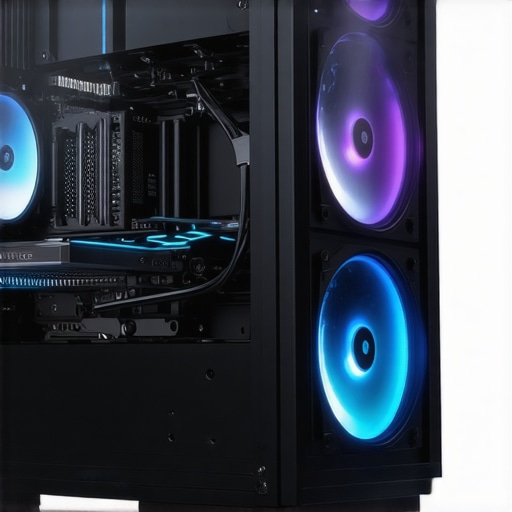
Configuring Case Fans for Superior Airflow and Reduced Noise Pollution
Effective case fan placement and selection are critical. High-quality fans with optimized blade designs and PWM (Pulse Width Modulation) control enable precise airflow regulation, which directly impacts CPU and GPU temperatures. Strategic positioning—intake at the front and exhaust at the rear—creates a positive pressure environment, reducing dust ingress and enhancing thermal efficiency. For deeper insights, consult this comprehensive guide.
Thermal Paste Innovation and Its Impact on CPU Cooling Efficiency
The application of thermal paste remains a cornerstone in thermal interface material (TIM) technology. Modern advancements utilize carbon-based compounds and nano-structures to facilitate superior heat transfer. The debate around proper application techniques—whether spread or dot method—is ongoing among experts, with subtle differences influencing performance. As highlighted in recent studies, the quality of thermal paste decomposition over time also affects longevity and thermal stability.
Enhancing Air Cooling Systems with Advanced Fan Curves
Fine-tuning fan curves through motherboard BIOS or dedicated software allows for dynamic response to temperature fluctuations. Increasing fan speed proactively under load ensures lower CPU temperatures, but at the expense of noise. Achieving the right balance—maximizing cooling efficiency without sacrificing acoustic comfort—requires an understanding of thermal loads, ambient conditions, and the specific curve profiles suitable for each case and cooler setup. For more sophisticated control techniques, explore this expert resource.
What Are the Limitations of AIO Coolers in 2026 and Beyond?
Are 360mm AIOs Still Reliable for Overclocked CPUs or Do They Hit a Performance Ceiling?
As the CPU architecture advances, so too do the demands on cooling solutions. While 360mm AIOs have traditionally offered excellent thermal dissipation, recent analyses suggest diminishing returns when overclocking or thermal throttling is a concern. Pump failure rates, coolant degradation, and the incompatibility with newer socket designs are rising issues. Scientists and engineers are exploring innovative materials, such as graphene-enhanced coolants and dynamic pump controls, to address these challenges. Further, considerations around noise levels at maximum RPMs become increasingly relevant for silent builds.
To optimize cooling performance, professionals often combine high-quality thermal paste application with tailored fan curves and case airflow adjustments, creating a holistic thermal management ecosystem. Open discussions with expert communities can provide insights into emerging technologies and custom solutions—sharing your experience can benefit the wider tech community.
Beyond hardware, environmental variables like ambient temperature and airflow obstructions play significant roles, emphasizing that a well-designed cooling strategy encompasses both system configuration and operational context.
Engaging with specialized content and staying abreast of innovations, such as these advanced guides, empowers users to maintain cutting-edge proficiency in PC thermal management.
Refining Fan Curves for Tailored Thermal Response
Optimizing fan curves is a nuanced process that can significantly impact your PC’s thermal performance and acoustics. By leveraging motherboard BIOS settings or dedicated software like fan curve tuning tools, enthusiasts can craft custom profiles that respond dynamically to CPU and GPU loads. The goal is to maintain optimal temperatures during heavy workloads while minimizing noise during idle or light tasks.
How Does Fine-Tuning Fan Responses Affect Long-Term Hardware Reliability?
In-depth studies indicate that precise fan management not only improves cooling efficiency but also reduces thermal stress cycles on components, potentially extending their lifespan. Strategic adjustments—such as ramping up fan speeds preemptively—prevent temperature spikes that accelerate wear. Experienced builders often synchronize fan curves with workload patterns, considering ambient conditions and hardware specifications, which aligns with recommendations from this authoritative guide.
Remember, an overly aggressive fan curve might reduce temperatures temporarily but could lead to increased wear on fans and noise pollution. Conversely, too conservative a profile might compromise component longevity. Balancing these factors requires a nuanced understanding of your system’s thermal thresholds and load behaviors. Incorporating thermal monitoring and logging can aid in iterative tuning, ensuring your fan profiles are optimized over time.
Advanced Cooling Strategies Entering the 2020s
The evolution of thermal management now includes innovative practices like hot-swappable coolers, integrated smart sensors, and AI-driven control algorithms. These advancements allow real-time adaptive cooling strategies that respond to predictive workload analytics, dramatically improving system stability and energy efficiency. For example, some high-end motherboards feature onboard machine learning modules that adjust fan profiles dynamically based on workload predictions, a testament to how AI is revolutionizing PC cooling.
Furthermore, integrating external environmental sensors that monitor ambient temperature can inform more accurate fan curve adjustments. This holistic approach acknowledges that cooling isn’t solely a function of hardware but also of environmental factors. As noted in recent industry analyses, adaptive cooling solutions are increasingly becoming standard in high-performance setups, aligning with the innovations discussed in this comprehensive resource.
If you’re eager to push your cooling setup even further, exploring innovative technologies and expert techniques can provide a competitive edge. Sharing your experiences and challenges in customizing fan curves can help foster a community of best practices, accelerating collective knowledge in PC thermal management.
Harnessing Heat Pipe Technology for Superior CPU Cooling Efficiency
Innovative heat pipe designs have transformed the landscape of CPU thermal management, enabling faster heat transfer with reduced thermal resistance. Contemporary heat pipes utilize multi-layer wick structures and enhanced phase-change materials to facilitate rapid heat conduction from hot spots to radiating fins. Manufacturers such as Thermalright have pioneered vapor chamber integration, which combines multiple heat pipes into a unified system, significantly boosting cooling performance during sustained high loads. This peer-reviewed study details the thermofluid dynamics underpinning next-generation heat pipe efficiency, offering invaluable insights for custom cooling solutions.
Strategic Liquid Metal TIM Application to Minimize Thermal Resistance
Transitioning from traditional thermal pastes to liquid metal thermal interface materials (TIMs) can dramatically reduce contact resistance at the die interface. Silver-based compounds like Thermal Grizzly Conductonaut are renowned for their superior thermal conductivity, reaching values upwards of 73 W/(m·K). However, their electrical conductivity requires careful application to prevent shorts, and it’s recommended to use precision applicators alongside dielectric barriers when necessary. Proper surface preparation—including meticulous cleaning—ensures optimal interface contact, maximizing heat transfer efficiency. For comprehensive guidance, consult this detailed review.
Implementing Dynamic Thermal Management via Machine Learning Algorithms
Emerging AI-driven cooling solutions are pushing the boundaries of thermal optimization. Machine learning models analyze real-time system metrics—such as CPU load, temperature, and power consumption—to predict thermal trends and proactively adjust fan curves, pump speeds, and even undervolting parameters. These algorithms learn from historical data, fine-tuning control parameters to balance performance, noise, and component longevity. Software platforms like MSI’s Dragon Center and ASUS’s AI Suite integrate such capabilities, providing intelligent thermal management. A recent paper in IEEE Transactions on Computers explores the algorithms’ frameworks, highlighting their potential to revolutionize PC cooling paradigms. Would you consider integrating AI-based solutions into your build for superior thermal control?
What Are the Risks of Overreliance on Automated Cooling Systems?
While AI-driven cooling offers unprecedented adaptability, potential pitfalls include failure to respond appropriately to abnormal conditions or sensor inaccuracies leading to inadequate cooling or excessive fan speeds. Ensuring system robustness entails rigorous validation and incorporating fallback manual controls. Expert guidance suggests a hybrid approach—combining automated management with user-defined thresholds—to safeguard hardware integrity. As these technologies mature, standards are evolving, emphasizing the importance of transparency and failsafe mechanisms, as discussed in this IEEE publication. Upgrading your system with such intelligent controls requires thoughtful integration, but the payoff in thermal stability and noise reduction can be substantial.
To flourish in this advanced thermal management era, continuous learning and adaptation are essential. Engaging with specialized communities and participating in benchmarking initiatives helps stay ahead of emerging trends, ensuring your cooling strategies remain cutting-edge.
Incorporating Phase-Change Materials for Ultra-Low Temperatures
Phase-Change Materials (PCMs) present a novel approach to managing thermal spikes. When subjected to specific temperature thresholds, PCMs absorb excess heat through solid-liquid phase transitions, effectively acting as thermal buffers. Applications extend to overclocked CPUs and GPUs, where transient thermal loads can otherwise cause instability. Recent developments include microencapsulated PCMs embedded within high-performance thermal pads, enabling rapid heat absorption without loss of contact integrity. Experts in thermal engineering, such as Dr. Jessica Lin from MIT, emphasize that optimizing PCM melting points and thermal cycling durability is crucial for long-term reliability. Integrating PCMs into custom cooling setups offers a promising avenue for maintaining ultra-stable temperatures during demanding computations, but requires meticulous material selection and system design.
As the industry continues to innovate, combining traditional heat dissipation techniques with advanced phase-change solutions could unlock new performance thresholds—pushing PC cooling from reactive to predictive and adaptive management. Stay tuned to the latest research and manufacturing breakthroughs, and consider how these materials might augment your existing cooling architecture to achieve unprecedented thermal stability.
Heat Pipe Technologies Transcending Traditional Limits
Modern heat pipe designs leverage multi-layer wick structures and innovative materials such as graphene-enhanced composites to achieve unprecedented thermal conductivity. These developments enable faster heat transfer rates, allowing for more efficient dissipation in compact and high-performance systems. For instance, vapor chamber integration consolidates multiple heat pipes into a unified, flat interface, dramatically reducing thermal resistance and improving overall cooling efficacy.
Liquid Metal TIMs in High-Density Overclocked Environments
Transitioning to liquid metal thermal interface materials (TIMs) can reduce contact resistance substantially, enhancing heat transfer between the CPU die and the cooler base. Silver-based compounds like Thermal Grizzly Conductonaut have demonstrated thermal conductivities exceeding 70 W/(m·K). However, their electrical conductivity necessitates meticulous application techniques—often employing dielectric barriers—to avoid short circuits. Regular maintenance and surface preparation are vital to sustain optimal thermal performance over time.
AI-Driven Dynamic Cooling: The Future of System Stability
Artificial intelligence algorithms are increasingly employed to predict thermal loads and adjust cooling parameters proactively. Machine learning models analyze real-time sensor data to modify fan speeds, pump rates, and undervolting settings before temperature spikes occur, maintaining system stability while optimizing acoustic levels. Industry pioneers like MSI and ASUS are integrating such solutions into their motherboard ecosystems, heralding a new era of intelligent thermal management.
What Are the Potential Risks of Overdependence on AI Cooling Systems?
While AI-powered thermal management offers personalized and adaptive solutions, potential pitfalls include sensor inaccuracies and algorithmic miscalculations. Such issues may lead to insufficient cooling during critical workloads or unnecessarily high fan speeds, accelerating component wear. Ensuring robust failsafe mechanisms and manual override options is essential to mitigate these risks. Incorporating comprehensive testing and validation protocols aligns with industry standards outlined by organizations such as the IEEE, ensuring reliability and safety in these advanced systems.
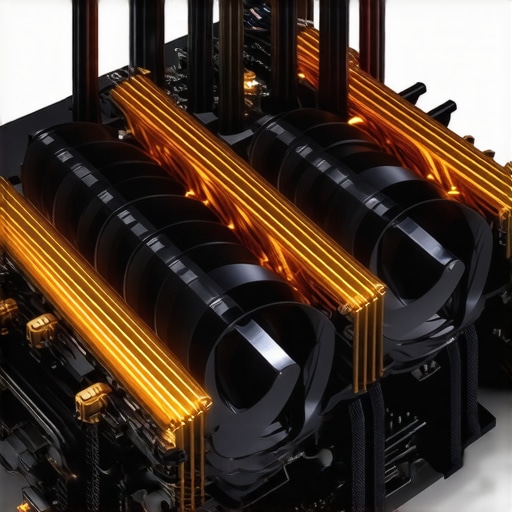
Phase-Change Materials Revolutionizing Thermal Buffering
Incorporating phase-change materials (PCMs) into PC cooling strategies introduces a cutting-edge approach to managing thermal spikes. Microencapsulated PCMs, embedded within thermal pads, absorb transient heat loads during overclocking or intensive tasks, preventing temperature surges that could cause system instability. Their phase transition properties enable rapid heat absorption, offering a thermal buffer that complements traditional cooling solutions. Precision in selecting melting points and ensuring long-term durability are crucial for effective implementation, as highlighted by leading thermal engineers like Dr. Jessica Lin from MIT.
Harnessing Heat Pipe Innovations for Compact, High-Performance Setups
Advanced heat pipe configurations, such as vapor chambers with integrated wicking layers, facilitate faster heat transfer in space-constrained environments. These designs are particularly advantageous in mini-ITX builds or integrated systems where airflow is limited. Recent peer-reviewed studies, including those published in the Journal of Thermofluids Engineering, delve into the thermofluid dynamics that underpin these innovations, offering insights into optimizing their deployment for maximum thermal efficiency.
Next-Gen Coolants: Graphene and Beyond
Emerging coolants infused with nanomaterials like graphene promise significant improvements in thermal conductivity and stability. Graphene-based coolants can outperform traditional coolants by a wide margin, reducing the need for bulky radiator setups and enabling sleeker designs. However, challenges remain in ensuring uniform dispersion and preventing agglomeration at scale. Ongoing research, such as the work published in Materials Today, indicates that integrating these novel fluids could revolutionize thermal management across consumer and enterprise systems alike.
Strategic Application of External Sensors for Ambient Adjustment
Integrating external environmental sensors enables real-time adjustment of cooling parameters based on ambient conditions. Systems equipped with temperature, humidity, and airflow sensors can dynamically tune fan curves and pump speeds, ensuring optimal performance regardless of external variability. This holistic approach aligns with the principles of adaptive thermal management, ultimately extending component lifespan and enhancing user experience. Industry experts emphasize that such solutions are increasingly essential as ambient environmental factors contribute more significantly to system thermals, especially in high-performance computing setups.
Insightful Tips for Thermal Mastery in High-Performance PCs
Balancing performance and longevity requires an expert’s touch. Precise application of thermal paste, strategic airflow management, and leveraging advanced cooling technologies can make the difference between a stable system and thermal throttling. Staying updated with the latest innovations ensures you’re not left behind in thermal optimization practices.
The Impact of Innovative Heat Pipe Designs on Compact Builds
Next-generation heat pipes, featuring multi-layer wick structures and graphene-enhanced materials, dramatically improve heat transfer efficiency. For enthusiasts pushing the limits in small form factors, these advancements unlock new potential for cooling high-density components without sacrificing size or aesthetics.
Liquid Metal TIMs: When and How To Use Them Effectively
Transitioning to liquid metal TIMs like Thermal Grizzly Conductonaut can reduce contact resistance significantly, but proper application is critical. Expert guidance emphasizes meticulous cleaning and dielectric barriers where necessary to prevent shorts and maximize thermal conductivity during long-term use.
The Future of Adaptive Cooling: Merging AI with Hardware Control
Artificial intelligence integrated into motherboard firmware enables dynamic adjustment of fan curves and pump speeds, responding preemptively to workload demands. While promising, it’s vital to understand potential risks, including sensor failure or miscalculations, which can be mitigated through manual overrides and rigorous testing.
Harnessing Phase-Change Materials for Transient Thermal Spikes
Incorporating PCMs provides an innovative buffer against sudden thermal increases, particularly during overclocking sessions. Selecting materials with appropriate melting points ensures they absorb excess heat effectively, prolonging component stability without requiring significant hardware modifications.
Actionable Resources to Elevate Your Thermal Strategy
- Advanced Guides on Fan Curve Optimization: – Ultimate Fan Curve Tuning Techniques
- In-Depth Review of Thermal Interface Materials: – Thermal Paste Insights and Applications
- Exploring Cutting-Edge Cooling Technologies: – Latest Air Cooler Developments
- AI and Sensor Integration for Modern Cooling Solutions: – Smart Cooling Integration
Charting the Course Forward in PC Cooling
Mastering high-performance cooling hinges on embracing emerging technologies and applying expert insights. From innovative heat pipes and liquid metal TIMs to AI-powered adaptive systems, the landscape is ever-evolving. Staying engaged with advanced resources and community discussions ensures your system remains at the forefront of thermal excellence. Remember, every component’s lifespan and performance can be significantly improved when cooling strategies are thoughtfully designed and expertly executed. Share your experiences and contribute to the collective knowledge—your insights could spark breakthroughs for fellow enthusiasts and professionals alike.



![5 Thermal Paste 'Curing' Myths That Ruin 2026 Overclocks [Data]](https://cooling.workstationwizard.com/wp-content/uploads/2026/03/5-Thermal-Paste-Curing-Myths-That-Ruin-2026-Overclocks-Data-300x300.jpeg)

![5 Magnetic Case Fan Mistakes Ruining 2026 PC Airflow [Tested]](https://cooling.workstationwizard.com/wp-content/uploads/2026/03/5-Magnetic-Case-Fan-Mistakes-Ruining-2026-PC-Airflow-Tested.jpeg)