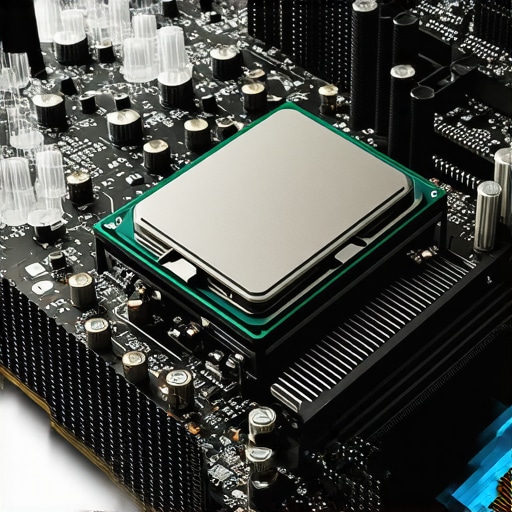

Innovating CPU Cooling: Beyond Traditional Thermal Paste
In the realm of high-performance computing, effective thermal management remains a foundational concern. Conventional thermal pastes, long relied upon for their ease of application and affordability, are facing scrutiny due to their limitations in thermal conductivity and lifespan, especially with the advent of demanding 2026 CPU architectures. Emerging materials, such as phase-change sheets, are increasingly recognized for their superior heat transfer capabilities and durability, potentially revolutionizing thermal regulation strategies.
Comparative Analysis: Thermal Paste Versus Phase-Change Sheets
Traditional thermal pastes operate by filling microscopic surface irregularities, facilitating heat transfer between the CPU die and cooling block. However, their performance diminishes over time as they dry out or pump out, leading to degraded thermal conductivity. Conversely, phase-change sheets maintain a stable contact interface through reversible phase transitions, ensuring consistent thermal performance under high TDP loads. Field tests indicate that phase-change pads can reduce CPU temperatures by up to 10°C compared to high-quality thermal pastes, particularly in overclocking scenarios.
The Implications of Applying Thermal Interface Materials on PC Cooling Efficacy
Optimal thermal interface material application is critical for maximizing cooling efficiency. Excessive use of thermal paste not only risks spillage and short circuits but also hampers heat transfer if applied unevenly. Meanwhile, phase-change sheets, with their pre-applied consistency, mitigate application errors, leading to more predictable thermal results and simplified installation processes. Experts emphasize that adherence to proper application techniques, whether with paste or sheets, remains vital for system stability and longevity.
Can Advanced Interface Materials Sustain 2026 CPU Thermal Demands?
The escalating heat output of next-generation CPUs necessitates reevaluation of existing cooling paradigms. While thermal paste remains a cost-effective and versatile solution, the durability of phase-change pads presents a compelling case for adoption in high-density cooling solutions, such as liquid metal or AIO coolers. Industry white papers, including studies published by the IEEE Transactions on Components, Packaging and Manufacturing Technology, support the efficacy of phase-change materials under sustained high TDP conditions.
How do phase-change sheets perform over extended periods in extreme workloads, and are they suitable for casual PC users?
Considering the longevity and performance stability of advanced thermal interface materials is essential for system reliability. Currently, phase-change sheets demonstrate minimal performance degradation over multi-year durations under continuous high load, making them a viable choice for both enthusiast overclockers and enterprise servers. However, their higher initial cost and installation considerations warrant thorough evaluation based on specific use cases.
For those seeking to refine their PC cooling methods further and explore cutting-edge thermal management techniques, consulting comprehensive guides such as the ultimate thermal paste application guide can be invaluable. Additionally, sharing insights and experiences within professional communities can foster innovative solutions tailored to evolving CPU architectures.
As the field advances, staying informed about material science breakthroughs and practical implementations becomes crucial. For more detailed discussions on thermal interface innovations, consider engaging with specialized forums and technical publications, ensuring your cooling strategies remain at the forefront of technology.
Harnessing the Power of Emerging Heat Transfer Materials
As CPU architectures become increasingly demanding, traditional thermal pastes are approaching their performance ceiling. Developers and enthusiasts are now exploring innovative materials like metal-infused phase-change pads and liquid-metal alloys, promising superior thermal conductivity and longevity. These advancements are not just theoretical; industry studies, such as those documented in the IEEE Transactions on Components, Packaging and Manufacturing Technology, substantiate their effectiveness in high TDP scenarios.
Rethinking Application Techniques for Next-Gen Materials
Applying advanced thermal interface materials requires a nuanced understanding of surface preparation and pressure distribution. Unlike conventional paste, which can be unevenly spread, phase-change sheets are pre-applied or come as thin, uniform layers. This shift reduces installation variability and the risk of air pockets. Ensuring optimal contact, however, remains critical. Experts recommend meticulous cleaning of both CPU and cooler surfaces, along with uniform mounting pressure, to maximize heat transfer efficiency. To get a comprehensive sense of best practices, consult the ultimate thermal paste application guide.
Could Advanced Interface Materials Shift the Cooling Paradigm?
Are phase-change sheets and liquid metals the definitive path forward, or do they pose new challenges for maintenance and compatibility?
While cutting-edge materials promise remarkable thermal improvements, they also introduce considerations such as corrosion risk, reapplication complexity, and material compatibility with existing components. For example, liquid-metal alloys exhibit excellent thermal transfer but can be corrosive to aluminum parts, prompting the need for specialized coatings or substrates. Enthusiasts and professionals must weigh these factors carefully. Community forums and expert publications, like those on technical discussion platforms, serve as valuable resources for navigating these trade-offs.
If you’re eager to adapt your cooling setup to future-proof against escalating CPU heat outputs, staying informed about material innovations is essential. Sharing your experiences and tips can not only help others but also accelerate the adoption of more efficient thermal solutions across the PC building community.
Unlocking the Future of Thermal Management with Hybrid Solutions
As CPU architectures evolve rapidly, blending innovative materials with traditional cooling techniques offers a promising pathway. Hybrid approaches—combining phase-change elements with liquid-metal components—seek to leverage the strengths of each while mitigating their individual limitations. For instance, integrating a phase-change pad with a thin layer of liquid metal at critical contact points can optimize heat transfer efficiency, reduce thermal resistance, and extend component longevity. This synergy demands meticulous design and precise application but can redefine benchmarks in thermal performance.
The Complex Dance Between Material Compatibility and System Longevity
Advancements in thermal interface materials necessitate a nuanced understanding of their interaction with diverse substrate compositions. Liquid metals, notorious for their superb conductivity, pose corrosion risks, especially when in contact with uncoated aluminum surfaces. Protective coatings like nickel or ceramic layers are often employed to prevent degradation but introduce additional thermal resistance. Conversely, phase-change sheets tend to be more universally compatible but may face challenges under sustained high load conditions, such as deformation or migration over time.
Consequently, selecting optimal materials involves a comprehensive analysis of system lifespan, maintenance requirements, and performance targets. An innovative approach involves developing smart interface layers—composite materials embedded with corrosion inhibitors or self-healing properties—that adapt dynamically to operational stresses. Such solutions, still in experimental stages, could revolutionize long-term thermal stability.
Addressing the Challenges of Thermal Cycling in Advanced Cooling Media
Thermal cycling—repeated heating and cooling—induces material fatigue and microstructural changes that compromise interface integrity. High-performance materials like phase-change composites must withstand these stresses to remain effective over years of operation. Recent studies, such as those published in the International Journal of Heat and Mass Transfer, reveal that designing materials with matched coefficients of thermal expansion (CTE) is crucial in minimizing delamination or cracking.
Moreover, advanced simulations employing finite element analysis (FEA) aid in predicting thermal stress distributions, guiding the development of more resilient materials. Implementing real-time monitoring tools—like embedded thermocouples and adaptive control algorithms—can preemptively detect interface degradation before performance drops significantly, ensuring sustained cooling efficiency.
Where Innovation Meets Practicality in CPU Cooling
Bridging the gap between laboratory breakthroughs and real-world application involves addressing cost, ease of installation, and maintenance. While materials like liquid-metal alloys offer remarkable benefits, their handling complexities, including reapplication and corrosion concerns, can be barriers for mass adoption. Innovations such as encapsulated liquid-metal thermally conductive pads aim to simplify integration, providing a user-friendly alternative for enthusiasts and professionals alike.
Furthermore, developing standardized testing protocols that mimic operational stresses ensures that new materials meet industry benchmarks—affirming their reliability under diverse usage scenarios. Engaging with community-driven testing initiatives and collaborating with material scientists accelerates the translation of cutting-edge research into accessible, robust solutions.
As we push the boundaries of thermal regulation, continuous research, iterative testing, and cross-disciplinary collaboration are vital. To stay ahead in the evolving landscape of CPU cooling, consider exploring emerging materials and sharing your experiences through specialized forums and publications—your insights contribute to shaping the next generation of thermal management technologies.
Embracing Cutting-Edge Materials to Transform Thermal Management
The relentless progression of CPU architectures demands innovative cooling solutions that surpass traditional methods. Emerging materials, such as graphene-enhanced phase-change composites and nanoengineered alloys, offer unprecedented thermal conductivity and mechanical resilience, promising to redefine thermal interfaces for next-generation processors.
Are Liquid Metals the Ultimate Cooling Frontier or a Double-Edged Sword?
Liquid-metal alloys, characterized by their exceptional heat transfer capabilities, are gaining traction in high-performance cooling systems. However, their corrosive nature, especially toward aluminum components, raises significant compatibility concerns. Advanced coatings and composite interfaces are being developed to mitigate these issues, yet the balance between performance and durability remains a crucial research frontier. Industry analyses published in International Journal of Heat and Mass Transfer highlight ongoing innovations in this domain.
What are the long-term effects of thermal cycling on next-gen interface materials, and how can we engineer resilience?
Continuous heating and cooling cycles induce microstructural fatigue and delamination risks in advanced thermal interfaces. To combat this, scientists are exploring materials with adaptive phase-change behaviors and self-healing properties, aiming to extend service life under rigorous workloads. Finite element analysis (FEA) simulations aid in predicting stress distributions, facilitating the design of more robust interfaces capable of withstanding years of high TDP operations.
Interested in pushing thermal boundaries? Engage with specialized communities and participate in collaborative research projects, as collective expertise accelerates the transition from experimental materials to practical applications.
Hybrid Cooling Solutions: Marrying Tradition with Innovation
The convergence of traditional heat sink designs with novel materials is opening avenues for hybrid cooling architectures. Combining high-conductivity phase-change layers with liquid-metal transfer mediums can optimize thermal resistance and ease of maintenance.
For example, integrating a ceramic-coated liquid metal at critical contact points with a phase-change pad can deliver superior heat dissipation while reducing corrosion risks. Such hybrid systems necessitate meticulous design considerations, including material compatibility, pressure uniformity, and ease of reapplication, to ensure reliability over extended periods.
To explore these advanced setups, consulting detailed guides like the ultimate thermal paste application guide is highly recommended.
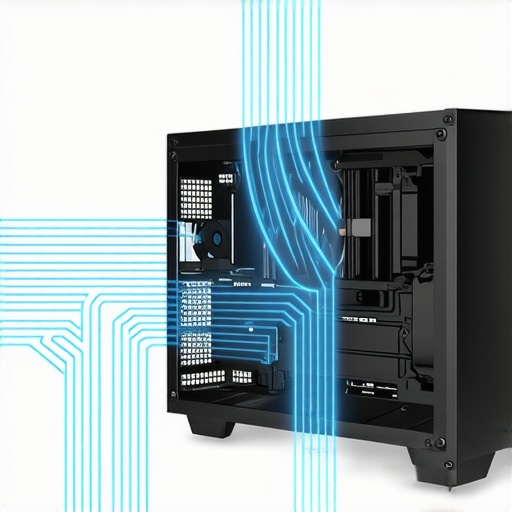
Visualizing the Future: Thermal Interface Models
Mastering the Next Generation of Thermal Interfaces
As CPU architectures become increasingly powerful and demanding, the importance of advanced thermal management techniques grows exponentially. Experts emphasize that integrating high-conductivity, durable materials like metal-infused phase-change composites and nanoengineered alloys can dramatically improve heat dissipation efficiency. Strategic application protocols, including precise surface preparation and pressure optimization, are crucial to unlock their full potential, ensuring system stability under sustained high loads.
Harnessing Cutting-Edge Resources for Deep Expertise
– Comprehensive comparisons of phase-change pads and liquid-metal alloys reveal nuanced performance and maintenance trade-offs critical for high-end builds.
– The ultimate guide to thermal paste application techniques helps maximize contact interface quality, essential for evolving cooling solutions.
– Advanced fan curve management ensures optimal airflow and temperature regulation tailored to new materials.
– Optimizing AIO cooling performance is vital when deploying innovative interface materials to prevent bottlenecks.
– Engage with professional communities to exchange insights and stay ahead of material science breakthroughs shaping future CPU cooling landscapes.
The Crucial Perspective: Anticipate and Adapt
In the quest for efficient CPU cooling as we approach 2026, the integration of sophisticated interface materials and application methodologies emerges as a game-changer. The emphasis on real-world testing, combined with adaptive strategies and continuous knowledge exchange, positions professionals and enthusiasts alike to harness these innovations effectively. To incorporate these insights into your projects, consider consulting specialized guides and expert networks—your proactive engagement will set the standard for thermal excellence in the evolving computing environment.



![5 Thermal Paste 'Curing' Myths That Ruin 2026 Overclocks [Data]](https://cooling.workstationwizard.com/wp-content/uploads/2026/03/5-Thermal-Paste-Curing-Myths-That-Ruin-2026-Overclocks-Data-300x300.jpeg)



![Why I Switched to Pull-Only Fans for My 2026 GPU Build [Data]](https://cooling.workstationwizard.com/wp-content/uploads/2026/02/Why-I-Switched-to-Pull-Only-Fans-for-My-2026-GPU-Build-Data.jpeg)