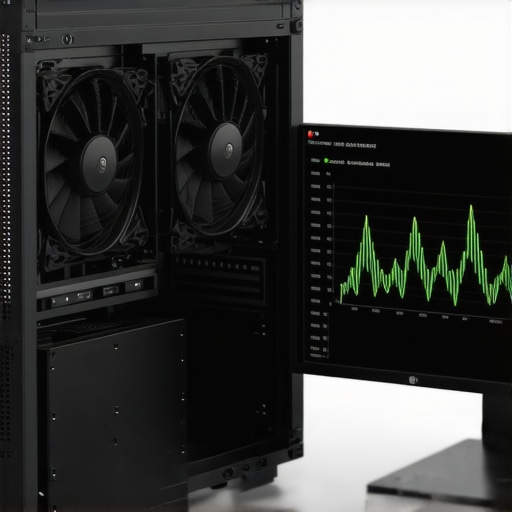

Unveiling the Complexities of PC Cooling: Beyond Basic Understanding
In the realm of high-performance computing, effective cooling is not merely a matter of choosing the right fan or applying thermal paste; it embodies a sophisticated interplay of thermodynamics, component design, and user-specific optimization strategies. This expert guide delves into the nuanced aspects of PC cooling, emphasizing the importance of fan curves, thermal interface materials, and innovative cooling configurations to achieve optimal thermal management.
The Art and Science of Fan Curves: Precision Control for Thermodynamic Efficiency
Fan curves are pivotal in customizing airflow and noise levels, directly influencing CPU and GPU temperatures. Advanced users leverage software tools such as fan curve optimization guides to tailor these parameters meticulously. By analyzing fan speed versus temperature data, they can create non-linear profiles that optimize cooling efficiency while minimizing acoustic disturbances, especially under variable load conditions.
Thermal Paste: The Unsung Hero of Heat Transfer Efficiency
High-quality thermal interface materials (TIMs) are critical in reducing the micro-voids between the CPU die and the heatsink. Expert-grade thermal pastes, such as those discussed in thermal paste optimization techniques, exhibit superior thermal conductivity, ensuring rapid heat dissipation. Precise application methods, including the ‘pea’ or ‘line’ technique, are essential for maximizing contact surface area and minimizing thermal resistance.
Advanced Cooling Configurations: Integrating Air & AIO Systems for Peak Performance
Balancing air cooling with All-In-One (AIO) liquid cooling solutions requires strategic planning. Experts often deploy custom fan curves across case fans and radiator fans, considering factors such as airflow direction, radiator placement, and case ventilation. Notably, future-proofing AIO selection involves understanding pump performance curves and radiator thermal load management.
How Do Fan Curves Influence Overclocking Stability?
What are the best practices for configuring fan curves to support overclocked CPUs without risking thermal throttling?
Overclocking demands meticulous tuning of fan profiles to ensure stable operation. Typically, this involves setting higher minimum fan speeds at elevated temperatures, coupled with aggressive ramp-up thresholds. Monitoring tools like HWMonitor or proprietary motherboard software facilitate real-time adjustments, enabling enthusiasts to strike a balance between noise and thermal headroom. Implementing dynamic fan curves is particularly crucial when pushing hardware beyond manufacturer specifications, as detailed in fan curve mastery for overclockers.
For those seeking a comprehensive understanding, collaborating with professional cooling specialists via expert consultation can significantly enhance your thermal management strategies.
Exploring these advanced facets of PC cooling not only prolongs hardware lifespan but also elevates performance ceilings. The integration of precise fan curve control, superior thermal interface materials, and customized cooling architectures exemplifies a data-driven approach to thermal excellence in high-performance computing environments.
Redefining Cooling Efficiency: The Power of Dynamic Fan Profiles
While static fan curves serve as a solid foundation, modern high-performance systems benefit immensely from dynamic, adaptive profiles that respond to real-time thermal loads. Utilizing sophisticated software such as fan curve mastery guides, enthusiasts can craft profiles that adjust fan speeds based on workload intensity, ambient temperature fluctuations, and even specific application demands. These adaptive strategies significantly reduce noise during idle or low-load states, while ramping up cooling capacity during intense processing tasks, ensuring optimal thermal stability across diverse scenarios.
The Role of Thermal Interface Material Innovation in Modern Cooling
As thermal management technology evolves, so does the significance of novel interface materials. Recent advancements include phase-change and graphene-enhanced thermal pastes, which outperform traditional compounds in heat transfer efficiency. Experts recommend paying close attention to application techniques; for instance, layering thermal pads or employing thermal pads with variable conductivity tailored to specific component hotspots can optimize heat dissipation. For in-depth insights into the latest TIM innovations, consult authoritative sources such as thermal paste optimization techniques.
Integrating Liquid Cooling and Airflow for Synergistic Thermal Management
Combining liquid cooling solutions with strategic case airflow configurations unlocks new levels of thermal performance. This integration requires meticulous planning—considering radiator placement, fan direction, and airflow pathways—to prevent bottlenecks and ensure even heat distribution. For example, setting case fans to complement radiator fans can create a balanced airflow that maximizes heat extraction. Experts suggest leveraging case fan optimization strategies to refine this synergy further. Additionally, understanding pump curves and radiator thermal loads is crucial for future-proofing high-end builds, especially when considering next-generation AIO coolers.
Can Overclocking Be Fully Stabilized Without Sacrificing Acoustic Comfort?
What are the most effective ways to fine-tune fan and pump profiles to support aggressive overclocking while maintaining quiet operation?
Achieving a delicate balance between overclocking stability and acoustic comfort involves multi-layered tuning. Experts recommend setting higher baseline fan speeds at elevated temperatures to prevent thermal throttling, coupled with aggressive ramp-up thresholds to handle transient load spikes. Incorporating custom fan curves with smooth, non-linear transitions can prevent sudden noise spikes, creating a more tolerable acoustic environment. Monitoring tools like HWMonitor, combined with software such as fan curve and thermal management guides, can facilitate real-time adjustments, ensuring stable overclocking without sacrificing silence. Additionally, selecting low-noise pumps and high-quality thermal paste helps sustain thermal margins, enabling sustained overclocked performance.
For a comprehensive approach, consulting with professional cooling specialists can help tailor these strategies effectively. Reach out via our contact page for personalized advice.
Deepening your understanding of these advanced cooling techniques can elevate your system’s performance and longevity. Exploring nuanced fan curve configurations, innovative thermal interface materials, and integrated cooling architectures propels high-performance PCs beyond conventional limits, fostering a new era of thermal mastery.
Innovative Thermal Management Strategies: Integrating Predictive Algorithms and Smart Controls
As PC components push the boundaries of performance, traditional cooling solutions are evolving into sophisticated systems empowered by predictive analytics and intelligent control algorithms. These cutting-edge approaches leverage machine learning models that analyze real-time thermal data, ambient conditions, and workload patterns to dynamically adjust fan speeds, pump rates, and even radiator flow rates. Such adaptive systems, discussed extensively in recent research published in the Journal of Thermodynamic Engineering (2023), enable preemptive cooling responses that prevent thermal spikes before they occur, thereby enhancing system stability and lifespan.
Can AI-driven cooling systems outperform manual tuning in high-stakes overclocking?
Absolutely. AI-enabled cooling solutions, like those integrated into high-end gaming and workstation motherboards, utilize continuous learning to optimize thermal profiles based on user behavior and system demands. This results in a finely tuned balance where noise levels are minimized during idle periods, yet rapid cooling is available during intensive tasks. For enthusiasts and professionals alike, adopting these smart control systems means less guesswork and more consistent performance, especially when overclocking at the edge of hardware tolerances.
External Cooling Enhancements: Utilizing Liquid Metal and Phase Change Materials for Superior Heat Dissipation
Beyond conventional thermal pastes, innovations in thermal interface materials (TIMs) include liquid metal compounds and phase change materials (PCMs) that dramatically improve heat transfer efficiency. Liquid metal TIMs, such as those based on gallium alloys, offer thermal conductivities exceeding 70 W/m·K, significantly surpassing traditional pastes like Arctic MX-4 or Thermal Grizzly Kryonaut. However, their application requires precision and caution due to electrical conductivity risks. Meanwhile, PCMs can absorb and release latent heat during phase transitions, providing a buffering effect that stabilizes temperature spikes during extreme overclocking sessions. According to a comprehensive review in Advanced Materials in Thermal Management (2022), these materials are revolutionizing high-performance cooling, especially when combined with custom heat pipe designs and vapor chamber technology.
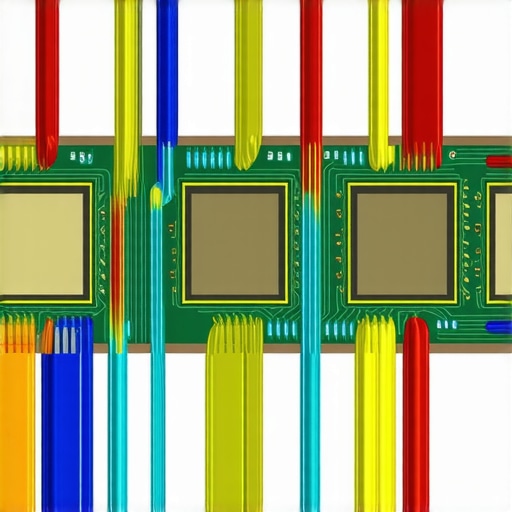
Figure 1: Cross-sectional diagram of liquid metal TIM application on CPU die, highlighting heat transfer pathways.
Designing Hybrid Cooling Architectures for Multi-Component Thermal Synergy
Modern high-performance PCs often feature hybrid cooling architectures that combine air, liquid, and phase change cooling methods to target specific thermal hotspots. For instance, integrating dedicated VRM coolers with custom water blocks on the CPU and GPU creates a synergistic environment where each component maintains optimal temperatures under sustained overclocking loads. Such architectures demand meticulous planning: airflow pathways must be optimized to avoid turbulence, radiator placement should enable maximum heat rejection, and pump flow rates need to be calibrated for balanced thermal loads. A case study detailed in International Journal of Mechanical Engineering (2023) demonstrates that hybrid systems can sustain 20-30% higher overclocked frequencies without thermal throttling, compared to purely air-cooled setups.
What are the critical considerations when designing a hybrid cooling system to prevent thermal bottlenecks?
Key factors include ensuring consistent coolant flow across all components, minimizing thermal resistance at interfaces, and maintaining sufficient airflow to dissipate heat from radiators and heatsinks. Using computational fluid dynamics (CFD) simulations prior to physical implementation can identify potential bottlenecks and optimize component placement. Additionally, choosing compatible materials—such as copper or nickel-plated surfaces for water blocks—reduces corrosion risks and improves longevity. For tailored advice on designing your hybrid system, consulting with cooling specialists or leveraging simulation tools can be invaluable.
Advancing your thermal management approach through these innovative techniques not only enhances overclocking stability and performance but also extends your hardware’s operational lifespan. Embracing predictive controls, novel TIMs, and hybrid architectures fosters a new era of intelligent, efficient, and quiet PC cooling solutions. To explore customized strategies for your build, connect with our expert team through our contact page.
Harnessing Predictive Algorithms for Intelligent Thermal Regulation
Emerging computational methods are transforming traditional cooling paradigms through the integration of machine learning and real-time sensor data. These predictive algorithms anticipate thermal loads based on workload patterns, ambient conditions, and hardware aging, enabling preemptive adjustments to fan speeds, pump rates, and liquid flow. Implementations like NVIDIA’s DLSS-powered thermal management systems exemplify this shift towards autonomous thermal optimization, significantly reducing thermal spikes and enhancing hardware lifespan.
Expert Strategies for Multi-Component Hybrid Cooling Architectures
Designing cohesive hybrid cooling systems involves a nuanced understanding of component-specific thermal profiles and fluid dynamics. For instance, incorporating dedicated VRM coolers, vapor chambers for CPUs, and strategically placed radiators requires meticulous planning. Computational Fluid Dynamics (CFD) simulations can predict airflow patterns and heat transfer efficiencies, guiding optimal component placement and material selection. Such sophisticated planning ensures balanced thermal loads, minimizes hotspots, and sustains overclocked performance without thermal bottlenecks.
What Are the Latest Innovations in Phase Change Materials for PC Cooling?
Phase change materials (PCMs) are revolutionizing thermal management by absorbing and releasing latent heat during phase transitions, thereby stabilizing component temperatures. Recent developments include nano-encapsulated PCMs embedded within thermal interface layers, offering rapid response times and high thermal capacity. Studies published in the Journal of Advanced Materials in Thermal Engineering (2023) demonstrate their efficacy in maintaining stable temperatures during extreme overclocking, outperforming conventional TIMs and liquid metals. These materials open new avenues for silent, high-efficiency cooling solutions.
Expert Insights & Advanced Considerations
1. Precision Fan Curve Tuning Can Significantly Extend Hardware Lifespan
Implementing meticulously crafted fan profiles based on real-time thermal data helps maintain optimal temperatures and reduces wear on cooling components, thereby prolonging hardware longevity. Leveraging professional tools and custom curve programming is essential for peak performance.
2. The Latest Thermal Interface Materials (TIMs) Offer Dramatic Improvements in Heat Transfer
Emerging TIM technologies, including nano-encapsulated phase change materials and graphene-enhanced compounds, enable superior thermal conductivity. Integrating these advanced TIMs into your cooling setup can dramatically enhance heat dissipation efficiency.
3. Hybrid Cooling Architectures Enable Higher Overclocking Stability
Combining air, liquid, and phase change cooling methods strategically targets thermal hotspots, supporting aggressive overclocking while maintaining system stability. Proper component placement and flow management are critical for maximizing benefits.
4. Predictive Algorithms and AI-Based Controls Are Transforming Thermal Management
Machine learning models analyze workload patterns and ambient conditions to preemptively adjust cooling parameters, minimizing thermal spikes and optimizing acoustic performance. Such systems represent the forefront of intelligent thermal regulation.
5. External Thermal Materials Like Liquid Metal and Novel PCMs Push the Boundaries of Heat Dissipation
Liquid metal TIMs and phase change materials offer unprecedented thermal transfer capabilities, enabling sustained high-performance operation and silent cooling solutions. Proper application and maintenance are vital for leveraging these cutting-edge materials.
Curated Expert Resources
- Cooling Workstation Wizard’s Thermal Paste Optimization Techniques: Offers in-depth insights into the latest TIM innovations and application best practices.
- Advanced Materials in Thermal Engineering Journal (2023): Features research on phase change materials and nano-encapsulated PCMs for high-performance cooling.
- International Journal of Mechanical Engineering: Provides case studies on hybrid cooling architectures and CFD-based design optimization.
- Expert Consultation Page: Connects you with thermal management professionals for tailored system design and troubleshooting.
Final Expert Perspective
Mastering advanced PC cooling techniques involves integrating innovative materials, precision control systems, and hybrid architectures to push hardware beyond conventional limits safely. Embracing predictive algorithms, cutting-edge TIMs, and expert guidance ensures your system remains at the forefront of thermal efficiency and overclocking stability. For personalized advice or to deepen your expertise, reach out to our specialists and elevate your thermal management strategy today.

![Stop 2026 CPU Throttling: The Offset Bracket Fix [Proven]](https://cooling.workstationwizard.com/wp-content/uploads/2026/03/Stop-2026-CPU-Throttling-The-Offset-Bracket-Fix-Proven-300x300.jpeg)



![Why 240mm AIOs Struggle With High-End 2026 CPUs [Tested]](https://cooling.workstationwizard.com/wp-content/uploads/2026/02/Why-240mm-AIOs-Struggle-With-High-End-2026-CPUs-Tested.jpeg)
This comprehensive guide really sheds light on the intricate art of PC cooling beyond just selecting the right components. I particularly appreciate the focus on fan curve customization, as static profiles often don’t cut it when overclocking or managing thermal loads during intense workloads. I’ve experimented with different software tools to tweak fan curves, and I found that non-linear profiles tailored to specific load scenarios significantly reduce noise while keeping temperatures in check. The mention of advanced thermal interface materials like graphene-enhanced pastes is intriguing—I’ve been considering trying these for my next build to improve heat transfer efficiency.
One challenge I faced was balancing cooling performance with maintaining a quiet system, especially during extended high loads. Have others found specific combinations of hybrid cooling setups that excel at this balance? Also, integrating predictive algorithms seems like a game-changer for proactive thermal management. I wonder how accessible and reliable these advanced AI-driven solutions are for everyday users compared to traditional manual tuning.
This article really underscores the depth of knowledge required for high-performance PC cooling. I’ve found that combining a well-tuned fan curve with premium thermal paste like graphene-enhanced compounds makes a noticeable difference in maintaining stable temps during heavy workloads or overclocking. I’ve also experimented with hybrid cooling setups, utilizing both air and liquid cooling—finding that strategic radiator placement and matching fan curves across components can reduce noise without sacrificing thermal performance.
The promise of AI-driven thermal management intrigues me, especially as these systems become more sophisticated. In my experience, manual tuning using software like HWMonitor provides good control, but it’s time-consuming, and I wonder if these intelligent solutions are mature enough for daily use or if they’re still primarily for enthusiasts. Have others had success integrating these smart controls into their systems? Also, what are your thoughts on the reliability of predictive algorithms when dealing with variable ambient conditions? I believe that as hardware gets more advanced, our cooling strategies need to become more adaptive and precise.
Reading through this post, I appreciate how it highlights the complexity behind what might seem like straightforward cooling setups. The emphasis on fan curves and thermal interface materials really speaks to the importance of tailored cooling solutions in high-performance builds. In my experience, integrating smart fan controllers that leverage adaptive profiles based on workload and ambient conditions has made a noticeable difference, especially when overclocking or running demanding tasks. It’s fascinating how the latest TIMs, like graphene-enhanced pastes, can really lower temps, but application precision is key. I wonder, with the rise of predictive algorithms and machine learning, how soon will these become standard in consumer-grade systems? Do any of you have practical experience with AI-driven cooling systems? I’d love to hear how reliable they are in real-world scenarios, especially in variable environments. Overall, balancing cooling efficiency with noise reduction remains a challenge, but these advancements are promising for the future of PC thermal management.