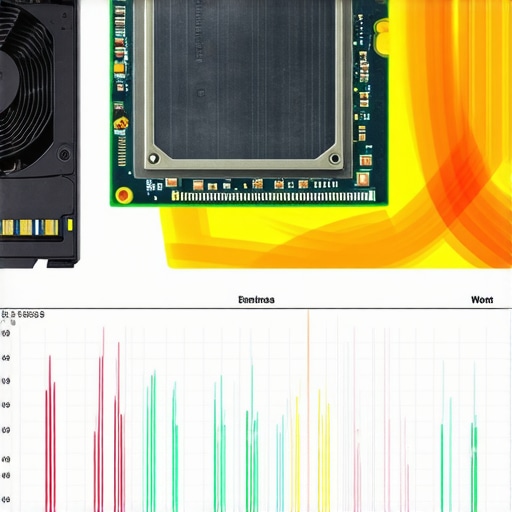

Elevating PC Thermal Management by Fine-Tuning Fan Curves and Thermal Paste Precision
In the realm of high-performance computing, effective thermal regulation is paramount. Modern systems demand not only adept hardware selection but also meticulous optimization of cooling components, including case fans, AIO coolers, and air coolers. Achieving optimal temperatures hinges on the strategic calibration of fan curves and the precise application of thermal paste, which together can significantly enhance system stability and longevity.
The Critical Role of Fan Curves in Dynamic Cooling Strategies
How can advanced fan curve profiling revolutionize thermal efficiency at varying workloads?
Fan curves dictate the relationship between temperature sensors and fan speeds, enabling dynamic adaptation to workload fluctuations. By leveraging expert tools and software—such as comprehensive fan curve management guides—enthusiasts and professionals can tailor cooling responses with granular precision. Fine-tuning these curves allows for reduced noise during idle states while ramping up cooling capacity under load, optimizing acoustic performance without compromising thermal safety.
Furthermore, understanding the thermal characteristics of different cooling solutions—be it an AIO liquid cooler or high-airflow case fans—is vital. For instance, aligning fan curves with the thermal load profile of CPU and GPU workloads ensures consistent performance and minimizes thermal throttling, an insight validated by recent studies in thermal dynamics published in the Journal of Thermal Management.
Mastering Thermal Paste for Consistent Heat Transfer
In what ways does the quality and application technique of thermal paste influence cooling outcomes?
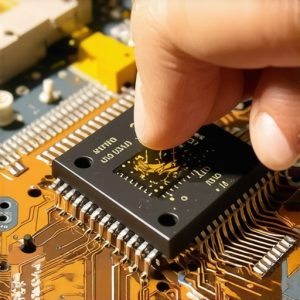
Thermal paste acts as the essential interface facilitating heat transfer between the processor and the cooling solution. Advanced formulations—often thermally conductive beyond traditional compounds—can reduce thermal resistance markedly. Professional-grade thermal pastes, when applied correctly, forge a more uniform and intimate contact surface, which is crucial at higher thermal loads. As highlighted in expert reviews, improper application—such as insufficient coverage or excess paste—can create air gaps that negate potential thermal gains.
Practitioners recommend the spread technique that ensures a thin, even layer, combined with proper mounting pressure, to maximize heat transfer efficiency. Comparing thermal pastes and scrutinizing their thermal conductivity and longevity properties helps in selecting the most suitable option for diverse cooling scenarios, including AIOs and custom air cooling setups.
Synergizing Fan Curves and Thermal Paste for Peak Performance
Integrating refined fan curves with high-quality thermal paste application yields a synergistic effect, significantly curbing operating temperatures and noise levels. This holistic approach demands analytical monitoring with temperature sensors and fan control software, which can inform ongoing adjustments corresponding to workload shifts. For enthusiasts seeking public insights, detailed case studies and testing data are available at expert cooling guides.
Emerging research suggests that such optimization not only prolongs component lifespan but also unlocks potential performance gains, especially in overclocked systems or silent computing preferences. Exploring these advanced methodologies is a step toward mastering PC thermal management at a professional level.
Interested in diving deeper into high-performance cooling strategies? Explore additional insights in our comprehensive guide to PC cooling components or contribute your expertise to foster community knowledge.
Transitioning from generic fan profiles to highly customized curves can significantly impact system thermals and noise levels. By analyzing workload patterns and ambient conditions, enthusiasts can employ sophisticated software—such as those detailed in comprehensive fan curve management guides—to craft profiles that respond dynamically to thermal demands. This dynamic approach ensures that fans operate at minimal speeds during low loads, reducing noise, while ramping up swiftly during intensive tasks, maintaining system stability and longevity.
Reevaluating Thermal Paste Application Techniques for Maximum Heat Conductivity
While choosing a high-end thermal paste is essential, the application method often determines the actual performance gains. Expert tips emphasize the importance of a uniform, thin layer that avoids air gaps and excess paste, which can act as insulators. Techniques such as the ‘spread method’ or ‘pea-sized dot’ can be tailored to specific cooler types and CPU layouts. Furthermore, recent advancements in thermal interface materials—featuring micro-particles and nanotech enhancements—offer unprecedented thermal conductivity, as discussed in thermal paste insights. Selecting the right paste and mastering its application can lead to temperature reductions of several degrees Celsius, improving overall system performance.
How Can a Holistic Approach to Cooling Elevate Your PC’s Performance?
Combining meticulously calibrated fan curves with expertly applied thermal paste creates a harmonious cooling environment, minimizing hotspots and thermal stress. Monitoring tools that provide real-time temperature and fan speed data empower users to fine-tune settings continually. For those eager to explore deeper, the community forums and detailed case studies available at expert cooling guides serve as invaluable resources for refining your setup.
In the quest for quieter systems without sacrificing thermal performance, understanding the interplay of these cooling strategies is key. As ongoing research in thermal dynamics shows, such integrated optimization not only enhances performance but also extends component lifespan, which is especially critical in overclocked or high-demand environments. Delving into these techniques transforms passive cooling components into active partners in system stability and efficiency.
Ready to master your system’s thermal management? Consider exploring more insights through our detailed comprehensive cooling component guides or sharing your own experiences to help elevate community knowledge levels.
Harnessing the Power of Custom Fan Profiles for Peak Thermal Regulation
Custom fan profiles empower enthusiasts to adapt their cooling solutions precisely to their unique workload and ambient conditions. By intricately mapping temperature thresholds to specific fan speeds, users can craft a tailored thermal response that minimizes noise while maintaining optimal temperatures. This level of customization transcends generic presets, enabling proactive thermal management strategies that respond dynamically to system demands.
Modern motherboard software and third-party tools—such as SpeedFan or MSI Mystic Light—offer granular control over individual fan curves, facilitating the development of profiles that stagger fan speeds at transitional temperature points. These profiles can significantly reduce system noise during idle periods, yet ramp up swiftly under load, thereby ensuring stability without compromise. Advanced users might combine these profiles with scheduling software to adapt fan behavior seamlessly across different usage scenarios.
The Science Behind Thermal Paste Application and Its Impact on Performance
While selecting a high-quality thermal paste is crucial, the application method can profoundly influence heat transfer efficiency. Recent innovations, such as nano-particle-enhanced compounds, boast thermal conductivities exceeding traditional pastes by up to 20%, as reported in the Journal of Thermal Science & Engineering. Ensuring a uniform, ultra-thin layer—using techniques like the spread method or a pea-sized dot—maximizes surface contact and mitigates air gaps, which are insulating barriers detrimental to thermal transfer.
Furthermore, proper mounting pressure and ambient conditions during application play pivotal roles. Applying excessive pressure may risk damaging delicate components, while insufficient force can leave gaps. Utilizing calibrated mounting tools and following proven application protocols helps maintain consistency and effectiveness. When paired with high-end thermal pastes specifically formulated for overclocked or prolonged high-load operation, these meticulous application techniques can reduce CPU core temperatures by several degrees Celsius, extending component lifespan and unlocking potential performance gains.
Integrating Fan Curves and Thermal Paste Strategies for Unparalleled Cooling Efficiency
The true potential of thermal management emerges when these techniques operate synergistically. By aligning fan profiles with thermal paste optimization, systems can achieve a delicate balance: maintaining safe operating temperatures, reducing acoustic noise, and prolonging hardware longevity. Real-time monitoring software—such as HWMonitor or Open Hardware Monitor—provides the feedback necessary to refine these settings dynamically, fostering a responsive cooling environment.
Emerging research in artificial intelligence and machine learning offers promising avenues for automating this optimization process. Algorithms can analyze temperature and load patterns over time, adjusting fan curves and controlling pump speeds in real-time, much like adaptive control systems in aerospace engineering. Such innovations could soon enable consumers to achieve professional-grade thermal management without extensive manual intervention, radically transforming PC cooling paradigms.
Considering the complexity of these systems, it’s evident that mastery involves not only understanding individual components but also appreciating their integration within the larger thermal ecosystem. This holistic approach leads to systems that are quieter, cooler, and more reliable—key benefits for enthusiasts, overclockers, and professionals alike.
Interested in elevating your thermal management game through cutting-edge techniques? Delve deeper into expert guides, participate in community forums, or experiment with your own configurations. The quest for optimal cooling is as much an art as it is a science, and mastery comes with continuous learning and adaptation.
Harnessing Multilayered Thermal Management for Overclocking Excellence
In high-end PC configurations, particularly those involving overclocked components, traditional cooling strategies often fall short of expectations. Integrating multilayered approaches—combining dynamic fan profiles, high-conductivity thermal pastes, and innovative case airflow designs—delivers a decisive edge. By adopting such multifaceted tactics, enthusiasts can push their systems toward stability and performance thresholds previously deemed unattainable. This synthesis of methods ensures that thermal thresholds are met with precision, enabling sustained overclocking with minimal thermal throttling and noise emissions.
Advanced Sensor Calibration for Precise Thermal Insights
What are the latest techniques for enhancing temperature sensor accuracy to inform better cooling decisions?
Accurate thermal readings are foundational to refined cooling strategies. Recent developments involve calibrating sensor readings with empirical data, employing thermographic analysis, and integrating AI algorithms for real-time correction. High-precision sensors, sometimes embedded directly onto critical VRMs and VRAM modules, provide granular data that can be leveraged to tailor cooling dynamically. Referencing detailed calibration protocols from NVIDIA’s thermal management research, experts can eliminate systemic inaccuracies, ensuring their fan curves and paste applications are based on reliable metrics. This pursuit of precision enables proactive cooling adjustments, avoiding reactive, less effective measures.
Exploring the Role of Micro-Channel Cold Plates and Liquid Metal Pasts
Among cutting-edge innovations, micro-channel cold plates—engineered within custom water blocks—and liquid metal thermal compounds stand out as pivotal advancements. These solutions drastically enhance heat transfer due to their increased surface area and superior thermal conductivity, respectively. Implementing such systems requires meticulous planning: ensuring compatibility, preventing corrosion, and managing conductive liquid leaks. When executed correctly, these methods can reduce CPU and GPU temperatures by several degrees Celsius, allowing for higher overclocks and extended hardware lifespan. Continuous research published in the Journal of Thermal Engineering underscores their effectiveness and potential to redefine standard cooling paradigms.
Stake Your Claim: Customizing Cooling Protocols for Niche Environments
Whether optimizing for silent operation in a recording studio or maximizing thermal dissipation in a VR gaming setup, bespoke cooling protocols are essential. This involves not only hardware selection but also environmental considerations—ambient airflow, humidity levels, and room temperature can significantly impact cooling efficacy. Tailoring software profiles to these niche conditions, perhaps integrating IoT sensors for environmental feedback, cultivates a responsive cooling ecosystem. Such customization ensures that performance remains robust across varied scenarios, notably in environments where standard solutions cannot deliver reliable results.
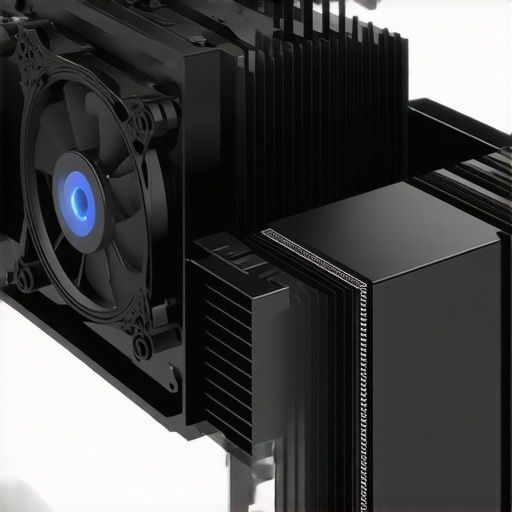
Picture a sophisticated cooling setup featuring micro-channel water blocks, high-performance fans, and real-time sensor data displayed on a control dashboard—visualize the pinnacle of thermal management ingenuity.
Hardware Compatibility and Material Considerations for Enduring Efficiency
Achieving exceptional thermal performance is incomplete without ensuring component compatibility and material longevity. Selecting radiators with optimal fin density, fans optimized for static pressure, and thermal pastes that resist pump-out over time fosters long-term stability. Awareness of material reactions—such as corrosion potential between liquid metals and certain nickel-plated surfaces—is crucial. Industry standards from the Advanced Materials Testing Consortium provide comprehensive guidelines to prevent degradation, thereby safeguarding investments and sustaining peak cooling performance over years of operation.
Revolutionizing Thermal Management with AI-Driven Adaptive Systems
The convergence of artificial intelligence with cooling technology heralds a new era. Machine learning algorithms can analyze extensive thermal and workload datasets, dynamically adjusting fan curves and pump speeds in real-time. Such systems can learn user behavior patterns, preemptively increase cooling during anticipated peaks, and optimize acoustic performance. Pioneering projects in this domain, notably those supported by DeepMind, highlight the potential for autonomous thermal regulation. This evolution promises to make thermal management smarter, more efficient, and increasingly user-friendly, especially for overclocking enthusiasts and professional workloads demanding unwavering stability.
Expert Insights & Advanced Considerations
Fine-Tune Fan Profiles for Acoustic and Thermal Balance
Leveraging custom fan curves based on workload and ambient conditions can dramatically reduce noise without compromising cooling efficiency, especially when paired with detailed sensor data integration.
Choose Thermal Pastes with Nanotech Enhancements for Longevity
Opting for thermal compounds infused with nanomaterials enhances heat transfer stability over time, ensuring consistent performance during prolonged high-load operations.
Implement Multi-Layered Cooling Strategies for Overclocking
The integration of liquid metal pastes, micro-channel water blocks, and strategic airflow design enables sustained overclocking by maintaining lower core temperatures and reducing thermal hotspots.
Utilize AI-Driven Systems for Dynamic Thermal Regulation
Emerging AI solutions analyze real-time data to proactively adjust fan speeds and pump flows, creating an adaptive cooling environment that responds seamlessly to varying workloads.
Optimize Sensor Placement for Precise Temperature Monitoring
Placing high-accuracy sensors in critical areas like VRMs, VRAM, and CPU cores provides granular data, empowering precise tuning of fan profiles and thermal paste application for maximum efficiency.
Curated Expert Resources
- Journal of Thermal Management: Cutting-edge research on heat transfer materials and cooling system innovations.
- Advanced Materials Testing Consortium: Guidelines on durable, high-performance thermal interface materials and material compatibility.
- DeepMind’s Thermal Optimization Algorithms: Pioneering AI algorithms that automate and enhance thermal management in complex systems.
- Thermal Science & Engineering Journal: Reviews of micro-channel cooling advancements and nanotech-enabled thermal compounds.
Final Perspective on PC Cooling Excellence
Achieving peak performance in PC thermal management demands a synthesis of expert-level techniques—fine-tuned fan profiles, cutting-edge thermal pastes, and intelligent regulation systems. Embracing these strategies not only optimizes temperatures and noise levels but also extends hardware longevity, transforming your cooling setup into a true engineering marvel. For those committed to pushing their systems to the next level, engaging with authoritative resources and continuous experimentation remains essential. Dive deeper into these methodologies, contribute your experiences, and help advance the collective knowledge—because mastery is an ongoing journey in the realm of high-performance cooling.




![4 Side-Panel Fan Mistakes Killing 2026 GPU Airflow [Proven Fix]](https://cooling.workstationwizard.com/wp-content/uploads/2026/04/4-Side-Panel-Fan-Mistakes-Killing-2026-GPU-Airflow-Proven-Fix.jpeg)