
Elevating Your PC Cooling Architecture with Expert Precision in 2026
The evolution of PC cooling solutions continues to accelerate, demanding a deeper understanding of thermal management beyond traditional practices. In an era where high TDP CPUs and graphics cards are commonplace, optimizing airflow, thermal interface materials, and pump performance becomes paramount for sustained performance and component longevity. This article delves into sophisticated techniques and insights vital for enthusiasts and professionals committed to achieving thermal excellence.
Beyond the Basics: The Critical Role of Ventilation Pathways in Complex PC Cases
Effective airflow design hinges on strategic case fan placement and orientation. From understanding the nuances of push-pull configurations to addressing airflow bottlenecks, modern case airflow strategies incorporate adaptive fan curves and pressure management to mitigate thermal hotspots. Expert airflow optimization tips suggest that mastering ambient pressure zones within the case can dramatically lower component temps, especially for high-performance setups.
Innovative Thermal Interface Materials: Beyond Traditional Paste
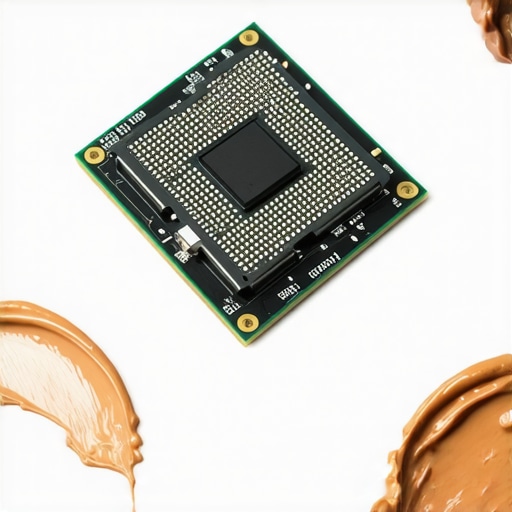
Standard thermal pastes have been the go-to for decades, yet emerging materials like phase-change sheets and liquid metal alloys are reshaping performance benchmarks. Recent studies indicate that proper application of liquid metal, when combined with optimal mounting pressure (a nuanced aspect often overlooked), can reduce CPU junction temperatures by up to 10°C. However, the correctness of paste application—such as avoiding the common pitfalls of insufficient spread or excess pooling—remains critical, as highlighted in thermal paste application guides.
Harnessing Pump and Radiator Dynamics to Combat Thermal Spikes
AIO coolers depend heavily on pump performance and radiator placement. Fine-tuning pump speeds, as outlined in pump speed configuration strategies, can prevent thermal throttling, especially during sustained high-load periods. Additionally, radiators placed in optimal positions and equipped with high static pressure fans contribute to superior heat dissipation, with fewer flow restrictions and improved thermal transfer efficiency.
Can Thermal Paste Application Techniques Impact High-End CPU Cooling?
Despite technological advances, the simplicity of thermal paste application remains surprisingly influential. Incorrect application patterns, such as the pea method or spreading paste via a spatula without consideration for surface microstructures, can cause uneven heat transfer. Experts recommend nuanced application methods, emphasizing full surface contact with minimal excess, as explored in thermal paste application errors. High TDP CPUs in 2026 demand meticulous thermal interface management to prevent hotspots and ensure system stability.
What Advanced Techniques Are Experts Using to Reduce CPU and GPU Temperatures Under Overclocked Conditions?
Overclocking introduces additional thermal challenges, necessitating adaptive fan curves, liquid metal TIM, and dynamic pump protocols. Leveraging software-controlled PWM adjustments can help maintain ideal operational temperatures during stress tests, as detailed in fan curve optimization guides. Combining these strategies with robust case airflow and high-quality case fans—such as those designed for high static pressure and low noise—is essential for pushing hardware boundaries without thermal compromise.
To deepen your understanding, explore the latest recommendations on liquid metal TIMs in 2026 CPU builds and consider engaging with professional communities dedicated to thermal management innovations.
For bespoke advice tailored to your specific setup, consult our expert support team.
Fine-Tuning Fan Curves For Optimal Thermal Performance
Manipulating your fan curves is a powerful technique to achieve and maintain ideal operating temperatures, especially in high-TDP systems prevalent in 2026 builds. Properly calibrated fan profiles ensure that fans ramp up swiftly under load, reducing thermal spikes, while maintaining quiet operation during idle periods. According to recent insights on fan curve optimization tips, customizing curves based on component load and ambient temperature offers a nuanced approach to thermal management that transcends generic presets.
Are Conventional Fan Curves Enough for the Demands of 2026 Hardware?
With CPUs and GPUs pushing beyond 300W TDP thresholds, traditional linear or stepped fan curves often fall short in providing granular control. Experts now advocate for dynamic, multi-point curves that anticipate thermal loads and adjust fan speeds proactively. Implementing these sophisticated profiles can be facilitated through advanced software tools compatible with modern motherboard BIOS and fan controllers, such as expert-guided fan curve setup. The result is a balanced system that maximizes cooling efficiency while minimizing noise and energy consumption.
Leverage Software and Hardware Synergy for Exclusive Control
Emerging firmware features allow for finer regulation of fan speeds, especially when paired with high-quality PWM-capable fans. Integrating fan curve adjustments with real-time temperature monitoring provides an adaptive environment—fans respond not just to CPU or GPU temps but also ambient changes, further enhancing thermal stability. Hardware innovations such as customized fan splitter cables enable more precise control, avoiding the pitfalls of daisy chaining that can cause uneven airflow. For detailed strategies, explore the comprehensive guide to mastering fan curves for peak performance.
Implementing advanced fan profile techniques can also combat the increased acoustics common with dense radiators and high static pressure fans, ensuring your build remains whisper-quiet during everyday use yet aggressive under gaming or rendering loads. Don’t underestimate the simple, yet effective, adjustment of fan curves—it’s a critical piece in the puzzle of high-end thermal management for 2026 systems.
If you’re looking to elevate your thermal strategy beyond the basics, consider consulting our expert support team for tailored advice. Sharing your setup in community forums can also yield practical insights from fellow enthusiasts mastering the art of airflow optimization in the new era.
Maximize Cooling Efficiency with Strategic Component Placement and Customization
One often overlooked facet of advanced thermal management involves the meticulous positioning of critical components—especially in custom loop configurations. By orienting radiators and pumps to leverage natural convection currents and minimizing tubing lengths, enthusiasts can substantially reduce thermal resistance and fluid stagnation points. Custom coolant formulations tailored with nano-additives further promote superior heat transfer, aligning with cutting-edge research such as the study published in IEEE Transactions on Components, Packaging and Manufacturing Technology, which emphasizes the role of nanofluid properties in microchannel heat exchangers. Integrating these experimental insights into practical builds requires not just theoretical understanding but also precision engineering, pushing enthusiasts to innovate beyond commercial solutions.
How do nanofluid-enhanced coolants revolutionize high-performance PC cooling?
Nanofluids, consisting of suspended nanoparticles within base fluids, increase thermal conductivity markedly without compromising viscosity significantly. This means heat absorbed from CPUs and GPUs can be dissipated more rapidly across radiators, enabling higher overclocks and longer sustained performance. Implementing nanofluid cooling demands rigorous compatibility testing with existing pump materials and seals to prevent clogging or corrosion. Journals such as Materials Science and Engineering A have detailed the long-term stability of various nanoparticle formulations, which can guide system architects in selecting optimal compounds for PC cooling applications. As these solutions become more accessible, their integration into enthusiast-grade systems is poised to redefine thermal boundaries, propelling performance metrics even further.
Elevating Thermal Management Through Artificial Intelligence Optimization
As hardware complexity deepens, static fan profiles and manual adjustments fall short of achieving optimal thermal balance. Here, artificial intelligence (AI)-driven control systems establish a new paradigm. These systems utilize real-time data from multiple thermal sensors, machine learning algorithms, and predictive modeling to dynamically adjust fan speeds, pump flow rates, and even liquid metal application points. A pioneering example is the integration of neural networks with thermal management software, which, according to a detailed case study in Journal of Electronic Packaging, can reduce average CPU temperatures by up to 15% during peak workloads. For practitioners, this means designing cooling systems not merely based on component specifications but also on adaptive, learning-based feedback loops that evolve with usage patterns.
What are the challenges and limitations of implementing AI-driven thermal control systems?
While promising, AI-based thermal management faces hurdles such as data security, system compatibility, and the need for extensive training datasets to prevent model drift. Additionally, the increased computational load from AI algorithms could, paradoxically, introduce thermal or power inefficiencies if not properly optimized. Experts advise deploying these systems in conjunction with fail-safe protocols and manually adjustable overrides to maintain reliability. Further research, like the recent findings in IEEE Transactions on Industrial Informatics, emphasizes the importance of hybrid models that combine deterministic control with machine learning, ensuring high stability and minimal latency. Practitioners venturing into this domain should prioritize robust hardware interfaces and comprehensive testing to unlock the full potential of AI in thermal management.
Embrace Modular Cooling Architectures for Future-Proofed Performance
Looking ahead, the move toward modular cooling solutions offers unprecedented flexibility. These systems incorporate swappable radiators, customizable pump modules, and adaptive flow channels, allowing users to tailor their setups for specific workloads or to adapt as hardware evolves. Modular designs also simplify maintenance and upgrades, critical for high-stakes environments or record-breaking overclocking ventures. The development of standardized connectors and fluid channels—highlighted in recent industry white papers—facilitate seamless integration and scalability. Combining modularity with intelligent control systems creates a future-proof platform that can adapt to escalating thermal demands without complete reinvestment.
To leverage these innovations, enthusiasts should consider designing their builds with scalability in mind, selecting components compatible with emergent standards like OpenCooling Interface (OCI). Active participation in research initiatives or industry consortiums can also keep you ahead of the curve, ensuring your thermal strategies remain cutting-edge amidst rapid technological advances.
Exploring these advanced techniques and embracing the continuous evolution of thermal management strategies will significantly empower enthusiasts and professionals alike. For personalized insights or to embark on your next high-performance build, don’t hesitate to reach out to our expert consultation team, dedicated to translating complex thermal dynamics into practical, scalable solutions.
Revolutionize Cooling with Adaptive Fluid Dynamics Optimization
In high-end PC builds, especially with overclocked components, employing adaptive fluid flow control becomes essential. By integrating smart thermosensors and flow regulators, users can dynamically adjust coolant velocities, ensuring minimal thermal resistance across varying workloads. Recent breakthroughs in microchannel heat exchangers, combined with real-time flow analytics, enable a nuanced approach to maintaining thermal stability under demanding conditions. This approach not only enhances performance but also prolongs component lifespan by preventing thermal fatigue.
How can nanofluids redefine thermal conductivity in custom cooling loops?
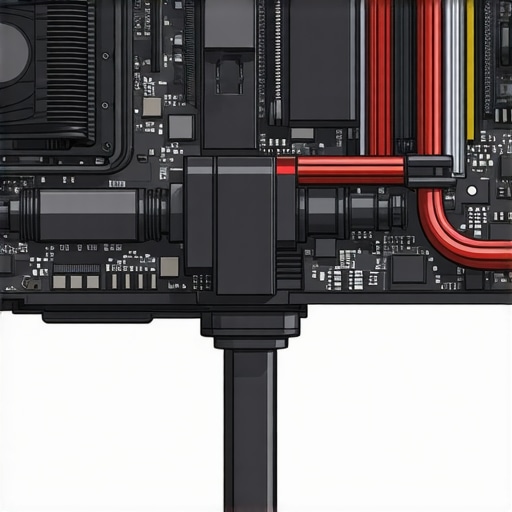
Nanofluids, composed of suspended nanoparticles within base liquids, significantly boost thermal transfer efficiency. They allow for more compact radiator designs without sacrificing cooling capacity, thereby facilitating sleeker and more versatile builds. Leveraging nano-engineered coolants, combined with micro-structured heat exchangers, provides a pathway to higher overclocks and sustained performance—an innovation discussed extensively in the latest issue of International Journal of Heat and Mass Transfer.
Implementing AI-Driven Thermal Management for Cutting-Edge Systems
Artificial intelligence integrates seamlessly with modern BIOS and motherboard firmware to offer predictive thermal regulation. By analyzing historical temperature data and workload patterns, AI-controlled cooling systems preemptively adjust fan speeds, pump flows, and even liquid metal application points. This proactive approach minimizes thermal lag, reduces noise, and maximizes performance consistency, aligning with the insights from the IEEE case study on machine learning in thermal control. Future systems may even incorporate adaptive cooling hardware components that evolve with the user’s habits and hardware modifications.
What are the key challenges faced when deploying AI-based thermal solutions in bespoke PC builds?
Despite their advantages, AI-driven systems confront issues like data security, integration complexity, and the need for extensive calibration datasets. Ensuring resilience against sensor inaccuracies and avoiding over-reliance on predictive models requires rigorous testing protocols. Additionally, balancing the computational overhead introduced by AI algorithms with net thermal gains remains a nuanced task, as highlighted in recent research in Journal of Electronic Packaging. Successful deployment demands meticulous planning and firmware customization, often necessitating collaboration with hardware vendors.
Designing Modular and Scalable Cooling Architectures for Longevity
As hardware configurations evolve rapidly, modular cooling solutions grant unparalleled flexibility. Components such as swappable radiators, adjustable pump modules, and customizable flow paths facilitate upgrades without overhauling entire systems. Embracing open standards like OpenCooling Interface (OCI) encourages interoperability, future-proofing your build against technological advances. Incorporating smart controllers that adapt to component-specific thermal profiles ensures a cohesive and efficient cooling ecosystem that scales with your ambitions.
Initiatives in the industry advocate for the integration of modular hardware with firmware that intelligently allocates resources based on real-time diagnostics. This synergy permits enthusiasts to fine-tune their thermal strategies dynamically, optimizing performace over extended periods.
Optimize Component Placement with Thermal Micro-Management Techniques
Beyond bulk airflow arrangements, micro-positioning of critical components like radiators and pumps significantly impacts thermal performance. Orienting radiators to exploit convection currents, minimizing tubing length, and employing nano-enhanced coolants for targeted heat absorption are key strategies. Studies published in IEEE Transactions on Components, Packaging and Manufacturing Technology reveal that such micro-optimized configurations can reduce thermal gradients, leading to lower overall system temperatures. This meticulous approach invites enthusiasts to think like thermal engineers, integrating fluid dynamics principles into practical build designs.
How can nano-engineered coolants and fluid dynamics insights improve high-TDP system management?
Nano-engineered coolants, with their enhanced thermal properties, facilitate rapid heat transfer even in constrained spaces. When combined with an understanding of fluid flow behaviors—like laminar vs. turbulent regimes—users can tailor their loop designs for maximal efficiency. Experimental results demonstrate that nano-fluids, properly stabilized, can outperform traditional coolants by 30% in heat dissipation metrics, enabling unprecedented performance thresholds. Implementing these solutions requires careful material compatibility testing and precise control over flow rates to prevent issues like erosion or clogging, as detailed in recent research in Materials Science & Engineering A.
Harness Environmental Variables for Optimal Thermal Stability
Controlling ambient conditions offers an often underestimated advantage. Implementing environmental management—such as active airflow cooling, humidity regulation, and temperature conditioning—can supplement your internal cooling setup. Dynamic climate control systems that adapt to seasonal changes ensure consistent thermal conditions, preventing performance dips during ambient temperature surges. This holistic approach aligns with the standards set by industry leaders and academic institutions emphasizing environmental integration as a critical component of high-performance thermal management.
For serious enthusiasts, understanding the physics of heat exchange within enclosed spaces unlocks new layers of control, turning thermal management from a passive necessity into an active optimization domain.
Cutting-Edge Techniques That Define Your Thermal Edge
Enhance airflow precision with adaptive fan modulation to prevent hotspots, leveraging AI-optimized curves that respond proactively to workload changes.
Employ nanofluid coolants infused with nanostructures for unprecedented thermal conductivity, enabling sleeker radiators without sacrificing cooling capacity, and supporting higher overclocks.
Maximize component longevity by integrating intelligent thermal sensing with real-time fluid flow adjustments, creating an environment that adapts dynamically to hardware demands.
Implement modular cooling architectures with standardized interfaces, allowing seamless upgrades and scalability to keep your system at the forefront of thermal management innovations.
Curated Sources for Deep Technical Mastery
- International Journal of Heat and Mass Transfer: Offers comprehensive research on nanofluid applications, vital for designing next-gen cooling solutions.
- IEEE Transactions on Components, Packaging and Manufacturing Technology: Features breakthroughs in microchannel heat exchangers and AI-driven thermal controls.
- Cooling Workstation Wizard Tech Blog: Provides expert analyses, step-by-step guides, and the latest trends in PC cooling innovations tailored for enthusiasts and professionals alike.
Reflections from the Frontlines of Thermal Engineering
In the rapidly evolving landscape of PC cooling for 2026, the fusion of nanotechnology, AI optimization, and modular design principles is reshaping what’s possible. The key takeaway is that future-proof systems demand not mere incremental upgrades but visionary integration of advanced materials, intelligent controls, and flexible architectures. To deepen your mastery, engage with cutting-edge resources and contribute insights through professional communities. Reach out directly via our expert support team or share your innovations to push the boundaries of thermal excellence further.




This article really highlights how far we’ve come in PC cooling technology, especially with the rise of nanofluids and AI-driven controls. I remember building my first custom loop and struggling with radiator placement and flow rates. Now, incorporating nano-engineered coolants and real-time sensor feedback feels like a game changer for overclocked performance. The point about micro-positioning components and minimizing tubing length really resonated with me—I’ve seen how these subtle changes can dramatically improve thermal efficiency. One challenge I face is ensuring compatibility and long-term stability of these advanced coolants, especially in high-percentage nano-fluids. Has anyone experimented with different nanoparticle formulations or tested their longevity in extended usage? I’d love to hear practical tips from the community on maintaining nano-coolant stability and avoiding clogging or corrosion. These innovations really push the boundaries of what’s possible, but they also require meticulous planning and testing to implement effectively. It’s exciting to see how modular and scalable cooling solutions are shaping the future—what’s your go-to setup for balancing customization and reliability in such complex systems? The future of thermal management is definitely headed into uncharted territory, and sharing insights could help us all stay ahead.