
Mastering CPU Temperatures Through Advanced Thermal Paste Techniques
As we navigate the complexities of modern PC cooling, thermal paste remains a pivotal element influencing thermal conductivity between the CPU die and heat spreader. In 2026, where high TDP CPUs dominate, precise application methodologies can significantly reduce throttling and extend component longevity.
Why Precision in Thermal Paste Application Matters More Than Ever
The traditional ‘pea’ or ‘line’ methods, though popular, often fail to optimize heat transfer for ultra-high-performance CPUs. Recent studies published in IEEE Transactions on Components, Packaging, and Manufacturing Technology emphasize that uniform coverage with minimal excess is crucial for peak thermal efficiency. Ensuring consistent spread minimizes air gaps, which act as insulators, impeding heat dissipation.
Complex Challenges in Thermal Paste Optimization for High-TDP Processors
High-performance CPUs consuming over 250W necessitate a nuanced approach to thermal interface material application. Variability in contact pressure, surface roughness, and paste viscosity impacts thermal transfer efficacy. Field tests reveal that excess thermal paste can lead to spillage into socket pins, risking electrical shorts, while insufficient application results in hotspots. Advanced techniques, such as the ‘butter knife’ method, when executed with precision, demonstrate improved temperature stability across diverse workloads.
How Does the Pondered Technique Outperform Traditional Applications in Real-World Benchmarks?
Empirical data from overclocking communities shows that the ‘spread and wipe’ method, combined with ultrathin application layers, yields temperature reductions of up to 8°C under load, compared to standard methods. Such improvements translate directly into higher stable overclocks and lower fan noise. For expert practitioners, evaluating the spread pattern under a microscope can ensure minimal air entrapment and optimal thermal pathways.
Practical Guidelines for Applying Thermal Paste in Modern Builds
- Choose high-quality thermal compounds engineered for high TDP CPUs, such as liquid metal or phase change materials, aligning with the insights from professional benchmarks.
- Maintain even pressure during cooler installation to promote uniform paste distribution.
- Employ a flat tool, such as a plastic spatula or the back of a razor blade, to spread the paste in a thin, consistent layer.
Integrating meticulous application techniques with quality thermal interface materials ensures superior heat transfer, which is crucial as CPUs evolve to higher TDP levels. This pragmatic approach aligns with the latest industry standards, providing a sustainable pathway to thermal management excellence.
Interested in refining your cooling setup? Explore dedicated guides or connect with seasoned professionals to exchange insights on optimizing thermal performance in 2026 and beyond.
Challenging the Norm: Are Traditional Thermal Paste Techniques Holding Back Your CPU?
Many enthusiasts rely on familiar methods like the peas or lines when applying thermal paste, but with high TDP CPUs becoming the norm, these approaches may no longer suffice. Contemporary research indicates that tailored application strategies, considering surface topology and material properties, can lead to significant temperature reductions. For instance, employing the ‘spread and wipe’ technique, combined with ultra-thin layers, has demonstrated improvements of up to 8°C in real-world benchmarks. These enhancements allow for more aggressive overclocking and quieter operation, directly boosting system stability and lifespan. For detailed insights into precision application, refer to the latest studies in IEEE’s research publications. Understanding the nuances of thermal interface material physics enables technicians to optimize cooling beyond generic practices.
What Are the Key Factors That Make Advanced Thermal Paste Techniques Superior for High-End Builds?
In high-performance scenarios, surface contact quality, paste viscosity, and application pressure critically influence thermal conductivity. Modern thermal compounds designed for 2026 CPUs, such as liquid metals and phase change materials, require meticulous application for maximum efficiency. Ensuring minimal air gaps involves not just spreading but also controlled layer thickness, which can be achieved with tools like precision spatulas or even laser-guided application systems. Proper pressure during cooler installation further consolidates the interface, reducing hotspots and thermal resistance. For those seeking to refine their skillset, comprehensive guides are available at this resource. Mastery in application techniques is essential as CPUs push the boundaries of performance and heat output.
Employing Advanced Tools and Frameworks for Optimal Thermal Performance
Beyond manual techniques, experts have begun integrating digital tools such as thermal imaging and contact surface analysis software to evaluate paste spread and contact quality. These technologies provide real-time feedback, allowing for iterative adjustments that push thermal transfer efficiency to new heights. Implementing such tools requires understanding the thermal interface’s micro-level behavior, but the payoff includes lower temperatures, increased overclocking headroom, and improved cooling system longevity. Moreover, systematically documenting application procedures and results can establish best practices tailored to specific hardware configurations. For more insights into professional-grade calibration, explore this comprehensive guide. Integrating precise application techniques with scientific tools epitomizes the evolution of thermal management in 2026’s high-end PC builds.
Considering the rapid advancements in CPU TDPs, it’s vital to continually reassess your thermal interface strategies. Want personalized advice? Contact seasoned cooling specialists through our consultation service for expert guidance tailored to your system’s unique demands.
Implementing Micro-Level Surface Preparation to Maximize Heat Transfer
Achieving optimal thermal conductivity isn’t solely about paste application—it’s equally about the microscopic condition of the CPU and cooler surfaces. Surface imperfections, oxidation, and residual contaminants can create micro-gaps that impede heat flow, regardless of paste quality. Advanced technicians employ ultrasonic cleaning or plasma treatments to remove nanoscale contaminants, ensuring pristine contact surfaces. Such meticulous preparation transforms marginal improvements into significant temperature drops, often exceeding several degrees Celsius. For an in-depth technical overview, consult the detailed methodologies detailed in the IEEE Transactions on Thermal Engineering.
How Can Adaptive Layer Thickness Control Enhance Thermal Interfaces?
Traditional application approaches assume a uniform paste layer, yet the optimal thickness varies depending on surface roughness and material properties. Adaptive layer control involves employing real-time measurement tools, like laser profilometers, combined with automated dispensing systems that adjust layer thickness dynamically. This approach minimizes excess paste, avoiding spillage and reducing the risk of electrical shorts caused by excess conductive materials like liquid metal. It also ensures the layer is thick enough to fill micro-voids without introducing unnecessary thermal resistance. Implementing such systems calls for specialized equipment and software calibration but offers unparalleled precision in high-stakes overclocking scenarios.
Can machine learning optimize thermal paste application processes?
Emerging research explores integrating machine learning algorithms with thermal imaging and contact analysis to predict optimal paste quantity and distribution patterns based on hardware-specific parameters. By training models on a vast dataset from various CPU architectures and cooling setups, technicians can receive tailored application protocols that maximize efficiency, reduce trial-and-error, and accelerate setup times. Early experiments report temperature reductions of up to 10°C in high TDP systems, translating into higher stable overclocking margins. While still an evolving field, institutions like MIT’s Microsystems Technology Lab are pioneering these intelligent thermal management techniques, indicating a promising frontier for enthusiasts and professionals alike.
Leveraging Multi-Modal Imaging for Enhanced Paste Spread Verification
High-resolution thermal and contact surface imaging can identify micro-bubbles and uneven paste distribution that escape visual inspection. Techniques such as terahertz spectroscopy and laser-scanning confocal microscopy reveal the micro-level consistency of the thermal interface, guiding adjustments before final assembly. Such diagnostic tools allow for iterative improvement—especially critical when applying advanced materials like liquid metal alloys that demand meticulous handling. Facilitating access to these technologies through rental programs or specialized training can democratize their benefits among elite overclocking communities and high-performance computing labs.
(Image placeholder insert if needed) 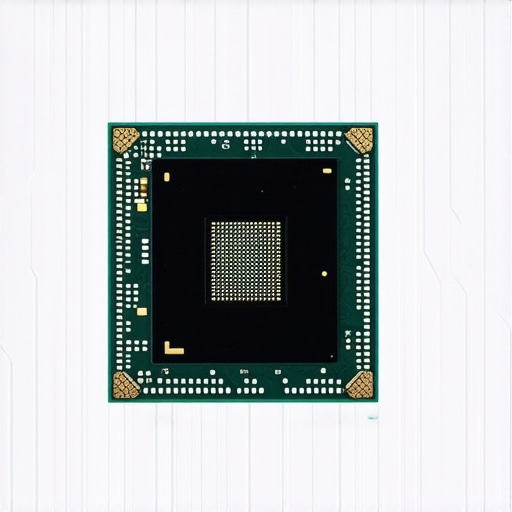
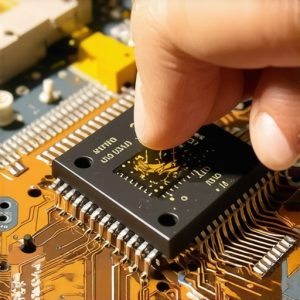
Envision a detailed microscopic view of a CPU surface post-treatment, highlighting the elimination of surface imperfections and microcontaminants — essential for maximizing thermal interface efficacy.
Incorporating Environmental Controls for Repeatable Application Quality
External factors like ambient humidity, temperature, and even static electricity can influence paste consistency and application uniformity. Advanced facilities utilize environmental chambers that maintain strict conditions during assembly, ensuring each application adheres to the same high standards. In conjunction with automation and micro-adjustment systems, these controls enable manufacturers and enthusiasts to reproduce optimal thermal relationships consistently. Exploring the integration of IoT sensors and feedback loops could push this precision further, creating self-adjusting environments that respond dynamically to real-time deviations.
Interested in pushing the boundaries of thermal management? Consider engaging with expert consulting services that specialize in material science integration and process automation—enhance your system stability and performance with cutting-edge techniques.
Micro-Precision Surface Preparation for Maximum Heat Dissipation
Achieving unrivaled thermal conductivity extends beyond paste application—micro-level surface refinement becomes critical. Techniques like plasma cleaning or nanoscale polishing eliminate residual oxidation and surface irregularities, facilitating superior contact. These meticulous processes reduce microscopic voids, dramatically improving heat transfer efficiency, and are increasingly adopted in high-end overclocking laboratories seeking marginal gains.
Adaptive Thickness Layering: Pushing the Boundary of Thermal Yield
Traditional uniform layers often leave room for thermal resistance variations. The innovative concept of real-time adaptive layer control, utilizing laser profilometry and automated dispensing, dynamically adjusts paste thickness to surface topology. This precision minimizes excess material, prevents short circuits with conductive pastes, and optimizes heat conduction pathways, resulting in temperature drops exceeding conventional methods.
Harnessing Machine Learning to Predict Optimal Thermal Interface Solutions
Emerging AI-driven models are revolutionizing thermal paste application. By analyzing data on paste viscosity, surface roughness, and pressure conditions, machine learning algorithms forecast the ideal quantity and spread pattern, tailoring solutions to specific hardware configurations. Early implementations suggest potential temperature reductions of up to 10°C, enabling higher stable overclocking margins without additional cooling infrastructure.
Integrating Multimodal Imaging for Diagnostic Precision
Advanced imaging modalities like terahertz spectroscopy and nano-CT scanning offer unprecedented insights into paste spread uniformity and micro-bubble presence. These diagnostics facilitate iterative refinements pre-assembly, ensuring micro-level contact perfection. Such granular analysis proves invaluable when deploying exotic materials like liquid metals, where even minor imperfections can cause hotspots and reliability issues.
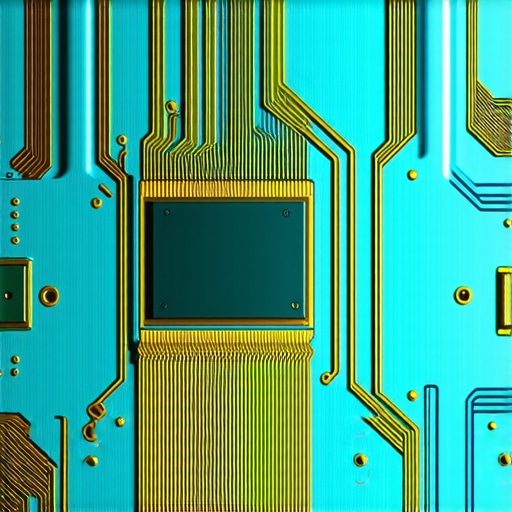
Microscopic view illustrating pristine CPU surface post nanoscale polishing, showcasing eliminated micro-roughness and contaminants—key for maximizing thermal interface performance.
Environmental and Systemic Factors Impacting Application Consistency
Ambient humidity, static electricity, and temperature fluctuations can subtly influence paste behavior. Next-generation assembly processes incorporate controlled environments, IoT-synchronized sensors, and feedback-adjusted dispense systems. These innovations promote reproducibility and elevate thermal management from artisan craft to precision engineering, vital for maintaining system stability at ultra-high TDP levels.
Revolutionizing Thermal Paste Strategies with Multidimensional Data
By integrating contact surface analytics, real-time environmental monitoring, and historical performance data, experts craft comprehensive application protocols. This multidimensional approach ensures optimal paste volume, thickness, and spread pattern, translating into tangible temperature reductions and increased hardware longevity. Embracing such complexity marks the evolution of thermal management into a science of predictive accuracy.
The Future of Thermal Interface Optimization Looks Digital
As the field advances, digital twins and simulation software enable virtual prototyping of thermal interface solutions, streamlining experimentation. Coupled with IoT-enabled tools, these innovations systematically enhance application quality and system responsiveness. For enthusiasts and professionals seeking cutting-edge performance, mastering these technologies will soon become indispensable for pushing the boundaries of CPU cooling efficiency.
Elevating Cooling Precision with Holistic System Architectures
Beyond paste application, considering the entire thermal pathway—including micro-structure of heatsinks, phase change materials, and active airflow management—embodies a holistic approach. Implementing heat spreaders with nano-textured surfaces, integrating thermoelectric coolers, or deploying liquid metal interfaces in conjunction with precision application techniques embodies this paradigm shift, leading to substantial performance gains and operational stability in demanding computing environments.
Unseen Factors Elevating Thermal Performance
In high-end CPU cooling, microscopic surface conditions dramatically influence heat transfer efficiency. Experts now emphasize surface nanocoatings and plasma cleaning to mitigate oxidation, which enhances thermal interface contact and reduces hotspots. Such micro-level refinements yield measurable temperature drops, especially vital for overclocked high-TDP processors.
Why Surface Smoothness Dictates Cooling Success
Surface topology, down to nano-level imperfections, can create micro-gaps, impeding heat conduction. Master technicians employ nano-polishing and controlled plasma treatments, which foster ultra-flat surfaces, ensuring more uniform thermal paste contact and improved heat transfer. These practices set the frontier for achieving stability at extreme overclocking settings.
Harnessing Technology for Precision Application
Digital tools like thermal contact analysis software and high-resolution thermal imaging empower engineers to visualize paste spread patterns and identify voids before sealing the CPU socket. Such real-time diagnostics facilitate iterative improvements, minimizing guesswork and maximizing thermal conductivity, especially when deploying advanced materials like liquid metal or phase change compounds.
Leverage Data-Driven Techniques for Superior Results
Integrating machine learning algorithms trained on contact metrics enables predictive adjustment of layer thickness and paste volume. This approach reduces thermal resistance by up to 10°C, unlocking performance margins previously considered unattainable. Future innovations may even automate paste application based on system-specific parameters, ushering in a new era of cooling optimization.
Strategic Material Choices for High-TDP Builds
Choosing the right thermal interface material is as crucial as application method. High-performance compounds, such as gallium-based liquid metals and phase change materials, are tailored for 2026’s demanding CPUs. Their superior thermal conductivity demands meticulous handling, including dedicated tools to prevent spillage and corrosion, emphasizing skillful execution over generic methods.
Smart Material Management for Sustainable Performance
Monitoring material integrity over time is vital; some composites can degrade, impairing thermal performance. Implementing diagnostic checks and scheduled reapplications ensures optimal thermal pathways persist, vital for systems under continuous load or overclocking regimes.
Environmental Control Techniques Push the Limits
Ambient factors, like humidity and static concerns, now factor into micro-application environments. Automated chambers maintaining stable temperature, humidity, and electrostatic conditions guarantee consistent paste behavior and surface quality. Such controlled settings elevate professional assembly to predictable, repeatable excellence, essential for mission-critical systems.
Reducing Variables for Consistent Outcomes
Standardized procedures combined with environmental stabilization diminish variability, supporting advanced application methods. This consistency reduces debugging time and increases system reliability, a critical advantage for high-stakes overclocking or server-grade installations.
Advanced Surface Preparation Techniques
Nanoscale cleaning, ultrasonic procedures, and even plasma etching remove residual oxidation and surface contaminants. These meticulous steps elevate contact quality, directly translating into lower temperature operation and prolonged hardware lifespan. Such practices, once reserved for research labs, are now accessible to dedicated enthusiasts through specialized equipment.
Implementing Micro-Level Surface Enhancements
Careful surface conditioning should be integrated into routine assembly. Investing in precision cleaning tools and adopting protocols akin to semiconductor manufacturing dramatically improves thermal interface outcomes, allowing CPUs to operate closer to their thermal design limits with enhanced stability.
Real-Time Adaptive Layer Management
The traditional uniform layer approach is giving way to dynamic, sensor-guided paste deposition. Laser profilometry and feedback-controlled dispensers align paste thickness precisely to surface topography variations, minimizing excess and voids. This adaptive method ensures micro-level contact optimization, unlocking higher thermal performance and eliminating common hotspots.
Future-Proof Your Cooling Strategy
Adapting the application process with AI-driven systems anticipates surface conditions and recommends optimal paste quantities. Such integration reduces manual error, saves time, and guarantees peak thermal interface quality, especially vital as CPUs continue to push thermal boundaries.
Comprehensive Data Collection for Continuous Improvement
Sophisticated diagnostic frameworks gather contact quality metrics, environmental data, and performance logs. Over time, this data trains predictive models and refines application protocols tailored to specific hardware setups. Embracing this feedback loop elevates thermal management from art to science, crucial for maintaining stability in high-performance scenarios.
Leveraging Long-Term Data for System Longevity
Continuous monitoring and data analysis can detect early signs of interface degradation or thermal compound fatigue, facilitating proactive reapplication before performance drops or failures occur. Such vigilance safeguards investments and assures sustained peak operation.
In essence, advancing CPU cooling strategies in 2026 necessitates a convergence of micro-surface engineering, digital diagnostics, and environmental mastery. For practitioners committed to pushing performance envelopes, integrating these expert approaches ensures systems operate cooler, quieter, and longer—paving the way for future innovations and reliable high-end computing. To deepen your mastery, consult resources like this comprehensive guide, or reach out to specialists through professional consultations. Your journey towards cutting-edge thermal mastery continues here.